
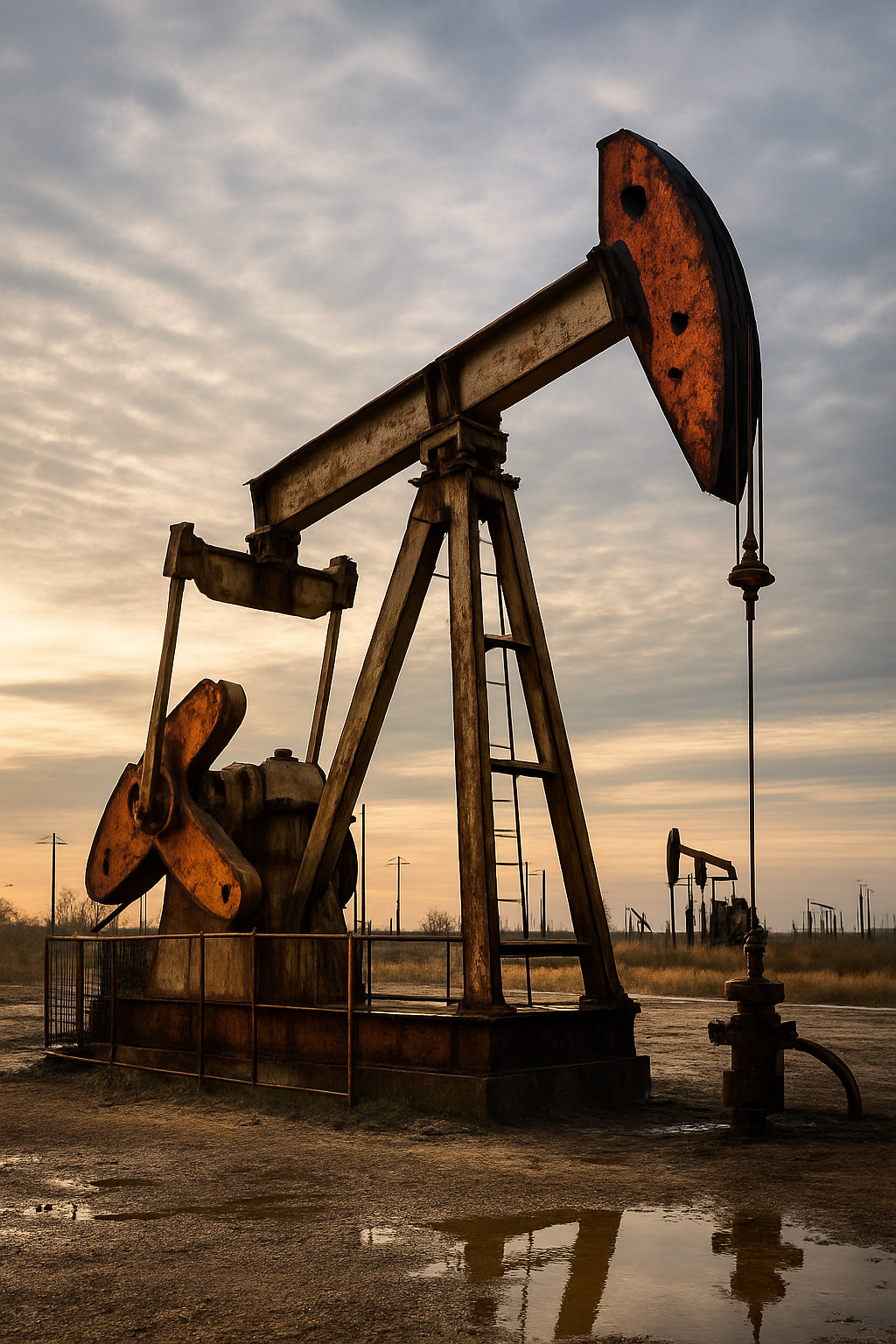
Oil prices slipped further this week amid renewed U.S. diplomatic efforts to broker a peace deal between Russia and Ukraine, intensifying expectations of a potential easing in supply disruptions. Brent crude futures fell approximately 1.3%, continuing a downward trend that has caught many investors off guard in a market long driven by geopolitical risk premia. Alongside these diplomatic developments, fresh sanctions on major Russian oil firms are also reshaping market dynamics, prompting investors to reassess long-held assumptions about energy risk and commodity pricing.
The prospect of peace—once considered a remote possibility—has triggered a fundamental shift in how oil markets and energy portfolios are being evaluated. What does this mean for investors traditionally reliant on the “energy-risk premium” and how should they recalibrate their strategies?
Why This Matters for Investors
Geopolitical Risk Is Unwinding, Pressuring Prices
Since the onset of the Russia-Ukraine conflict in early 2022, energy markets have been roiled by fears of sustained supply shortages. Russia, as one of the world’s top oil producers, has been subject to sweeping sanctions and export restrictions that tightened global crude availability and lifted prices to multi-year highs.
According to Reuters, the U.S. is now actively pushing for negotiations aimed at ending the conflict, signaling the possibility of restored supply routes and eased sanctions in the medium term. This diplomatic momentum has led to a retracement in oil prices as traders anticipate a future where Russian barrels flow more freely again, easing the current supply squeeze.
Market watchers at Bloomberg Intelligence emphasize that such developments could “reverse the traditional energy-risk premium” that has buoyed crude prices throughout the conflict. This recalibration is critical for investors heavily exposed to oil and energy stocks.
Sanctions Are Tightening but May Be Temporary
Despite progress on the diplomatic front, the U.S. and allies continue to impose new sanctions targeting key Russian oil firms. These measures aim to restrict financing, technology access, and export channels. However, the market’s reaction indicates that investors are factoring in the possibility of sanctions relief or workarounds emerging alongside a peace settlement.
This dual dynamic—ongoing sanctions coupled with peace talks—creates short-term volatility but suggests a longer-term trend toward supply normalization, particularly if diplomatic efforts gain traction.
Future Trends to Watch
1. Potential for Oil Price Volatility Amid Diplomatic Uncertainty
While the peace process could ease supply constraints, the path remains uncertain. Any setbacks in talks or renewed conflict escalation could trigger sharp price spikes. Investors should prepare for heightened volatility as markets react swiftly to geopolitical headlines.
2. Shifting Energy Portfolio Strategies
The evolving geopolitical backdrop is forcing a rethink for energy investors. Traditional oil and gas stocks, especially those with heavy exposure to Russia or geopolitical risk, may underperform if peace leads to lower crude prices.
Conversely, sectors focused on the energy transition—renewables, battery technology, and clean energy infrastructure—are gaining favor. McKinsey’s latest energy outlook highlights accelerating capital flows into these segments, driven by government policies and investor demand for ESG-aligned assets.
3. Impact on Commodity-Heavy Portfolios
Investors should also evaluate the broader commodity complex, as easing geopolitical tensions in oil may contrast with ongoing risks in metals and other resources linked to the conflict or sanctions regimes. Diversification and active risk management will be crucial.
Key Investment Insight
The possibility of a Russia-Ukraine peace deal marks a pivotal juncture for oil markets and energy investments. For investors, this means revisiting portfolio allocations with an eye toward:
- Reducing concentration in oil-heavy or Russia-exposed energy stocks vulnerable to price declines.
- Increasing exposure to alternative energy sectors aligned with the global energy transition.
- Monitoring geopolitical developments closely, as oil price volatility is likely to persist amid an uncertain peace process.
This shift challenges the conventional wisdom that geopolitical conflict always benefits oil prices. Instead, peace could trigger a re-pricing event that pressures traditional energy assets while accelerating the shift toward cleaner alternatives.
Stay ahead of these dynamic market forces by following MoneyNews.Today for expert insights, breaking news, and actionable investor analysis across sectors and geographies.




