The return of risk appetite in U.S. equities picked up momentum this week as AI-linked mega-cap names led a renewed rotation into growth. The S&P 500 and Nasdaq reversed earlier declines, fuelled largely by hyperscaler strength and outsized moves in semiconductor leaders. Broadcom Inc. surged roughly 11% after reporting robust AI-related demand, marking one of its strongest single-session jumps this year, according to Bloomberg. With growth stocks reclaiming the narrative and investor positioning shifting again, the market’s late-year setup is being redefined.
Growth Momentum Regains Control
Investors had been debating whether the recent cooling in tech leadership signaled the start of a broader rotation into value and defensive names. But the latest rally suggests AI-driven earnings visibility remains too compelling to ignore. DailyForex reported that buyers returned aggressively to chipmakers and cloud infrastructure players, pushing the Nasdaq higher and lifting overall market sentiment.
Much of the renewed optimism stems from the continued acceleration in AI workloads across hyperscalers, notably Amazon Web Services, Microsoft Azure, and Google Cloud. Capex forecasts for 2025 remain elevated, with many executives signaling that demand for accelerated computing capacity still far exceeds supply—a theme reiterated in recent company filings and earnings calls.
The surge in Broadcom is particularly notable. The company highlighted strong uptake of custom AI accelerators and networking products tied to next-generation data centers. Analysts at Bloomberg Intelligence suggested that Broadcom’s AI revenue trajectory could outpace earlier expectations, helping justify the stock’s premium valuation.
Why This Matters for Investors
AI infrastructure remains one of the most powerful and persistent themes in global markets. The latest rebound confirms that investors continue to reward companies positioned at the heart of AI compute scaling—semiconductors, high-performance networking, optical components, and cloud data center enablers.
However, the rally also exposes a familiar tension: the valuations of top AI winners remain stretched. The forward P/E ratios for many hyperscaler-linked suppliers sit well above historical averages. While earnings growth has so far justified the premium, even marginal slowdowns in AI spending cycles could amplify volatility.
In the broader market, the rebound signals a re-risking environment where investors are once again comfortable rotating into high-beta tech. Options data shows increased call buying in AI names, suggesting traders are positioning for continued upside into year-end. At the same time, flows into defensive sectors have stabilized, indicating that investors aren’t fully abandoning balance—they’re simply recalibrating around stronger growth signals.
Future Trends to Watch
1. AI Capex Guidance in December–January Earnings
Hyperscaler investment plans for 2026 will be closely watched. Any upward adjustments to capex could fuel another leg higher for semiconductor and cloud-infrastructure suppliers. Conversely, cautionary guidance could pressure valuations across the sector.
2. Supply Chain Tightening for High-Bandwidth Memory (HBM)
Demand for HBM remains exceptionally strong. Several suppliers, including SK Hynix and Micron, have suggested supply conditions could remain tight through 2026. This could create bottlenecks for GPU manufacturers, influencing delivery timelines for major AI systems.
3. Regulatory and Geopolitical Impact on AI Hardware Flows
U.S.–China export controls remain a key variable. Companies relying heavily on China-based demand for advanced chips may face headwinds if restrictions tighten further. Investors should monitor updates from the U.S. Commerce Department and commentary from affected firms.
4. The Broadening of the AI Trade
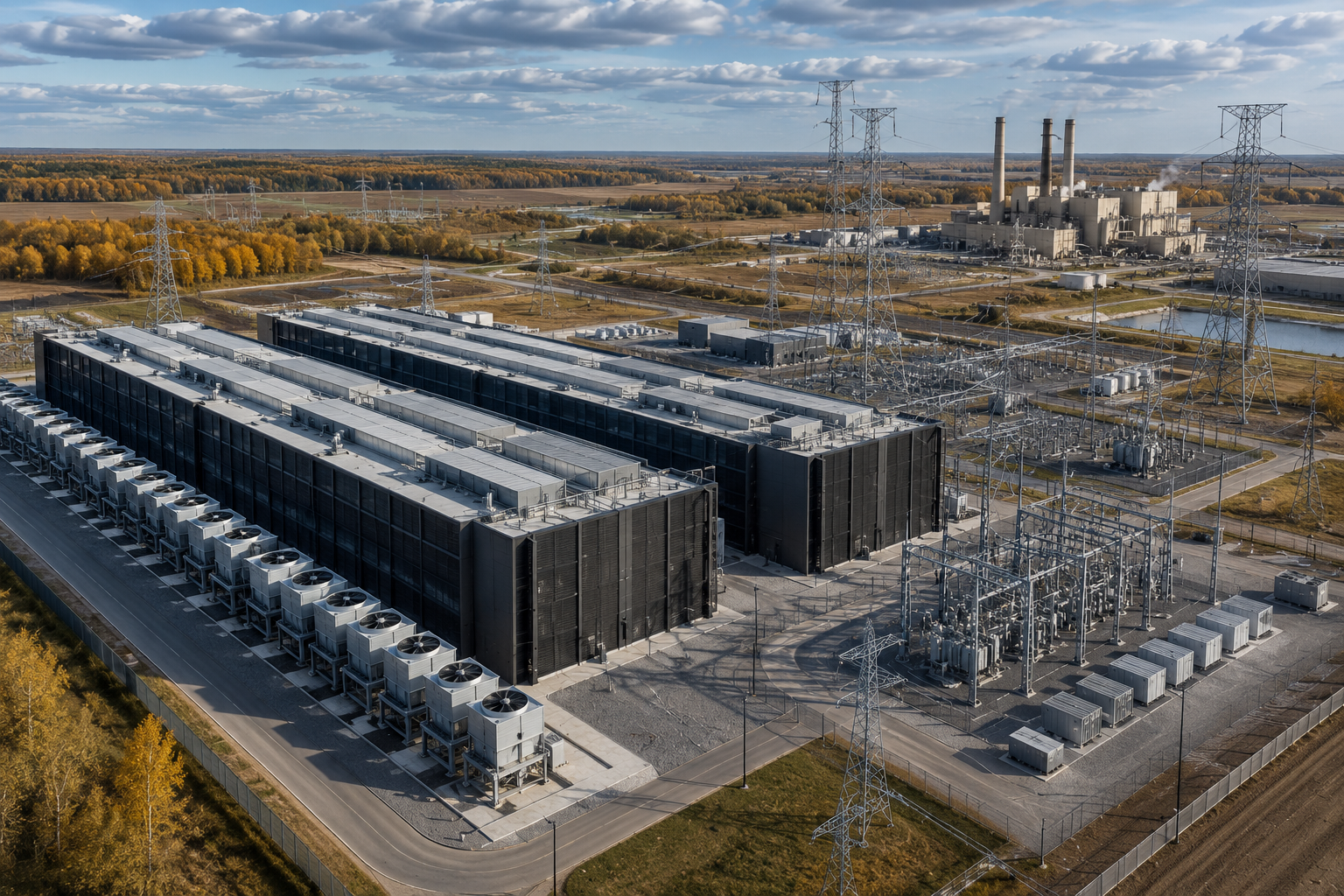
There is early evidence of rotation into second-tier AI enablers—component makers, energy suppliers for data centers, and firms focused on cooling infrastructure. As hyperscaler build-out intensifies, this broader ecosystem may emerge as the next growth pocket.
Key Investment Insight
The rebound suggests growth and AI-driven equities may retain leadership into year-end, but with valuations elevated, selective exposure is critical. Investors may consider a barbell approach: maintaining targeted positions in high-quality AI names with strong earnings visibility while pairing them with defensive allocations in value, high-dividend stocks, or energy plays to balance volatility. The goal is not to avoid growth—it’s to participate without overexposing portfolios to valuation-driven risk.
Diversification within the AI theme itself—such as exposure to both chip suppliers and cloud software beneficiaries—can also help mitigate single-stock concentration risk. Monitoring upcoming earnings guidance and hyperscaler capex commitments will be essential for validating whether this rebound has the legs to carry into the first quarter of 2026.
Stay tuned to MoneyNews.Today for daily market intelligence, investor insights, and analysis on the trends shaping global capital markets.