
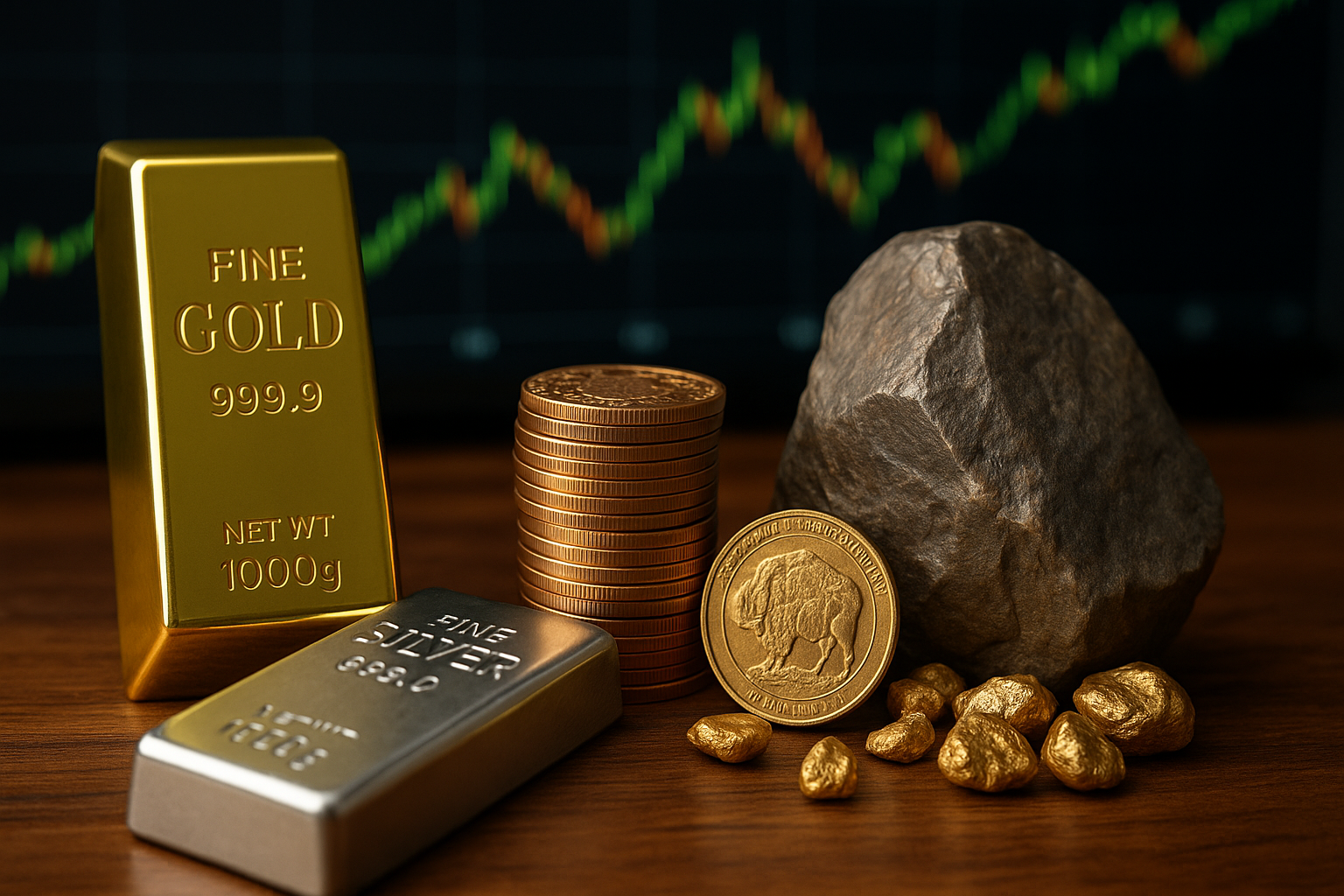
A renewed surge in global commodity prices is breathing fresh life into mining and resource-linked equities, positioning the sector as one of the standout performers in an otherwise mixed market environment. As oil, copper, iron ore, and precious metals extend their upward momentum, investors are rediscovering the appeal of cyclicals — especially miners whose margins expand sharply during periods of resource strength. According to Reuters, rising resource demand expectations and a shift toward cyclical assets have been key drivers behind the sector’s rally, with sentiment improving across energy, industrial metals, and mining names.
A Market Turning Back Toward Cyclicals
In recent weeks, the narrative across equity markets has tilted dramatically. Softening inflation indicators, persistent expectations of central bank rate cuts, and improving global demand forecasts have collectively ignited a rotation into cyclical sectors. Commodity-linked industries, including metals & mining, have emerged as early beneficiaries.
Oil prices have seen support from supply constraints, while base metals such as copper and aluminum are gaining on forecasts of stronger manufacturing output in China and stabilizing global industrial activity. Gold and silver, meanwhile, continue to attract defensive flows as the macro environment hints at easier monetary policy conditions ahead.
Mining stocks are responding directly: companies with exposure to iron ore, copper, and coal have recorded gains as investors recalibrate portfolios in anticipation of a commodity-friendly 2025. This marks a notable shift from earlier in the year, when recession fears and soft demand weighed heavily on the sector.
Why This Matters for Investors
Stronger commodity prices feed directly into miner profitability
Mining companies are uniquely leveraged to price cycles. When metals and energy inputs rise, revenues often climb faster than costs — expanding margins and boosting free cash flow. For many producers, especially those operating in regions with low extraction costs, current price levels may signal the start of a more sustained earnings upswing.
Macro shifts are reinforcing the trend
Analysts at Bloomberg Intelligence have recently highlighted that commodities historically perform well in the early stages of monetary easing cycles. If the Federal Reserve and other central banks proceed with rate cuts in early 2025 — a scenario which markets continue to partially price in — commodities could experience further upside as the dollar weakens and global liquidity increases.
China’s industrial outlook is stabilizing
With China accounting for more than 50% of global metals consumption, even marginal improvements in its industrial landscape are meaningful. Recent government stimulus measures, including infrastructure spending and manufacturing support, have lifted sentiment across the metals complex. Iron ore and copper futures have both risen in response, providing miners with additional tailwinds.
Sectors and Companies Benefiting Most
Diversified miners:
Large-cap producers with exposure across copper, nickel, and iron ore — such as Rio Tinto, BHP, or Vale — tend to benefit first when broad commodity strength returns. Their scale and operational efficiency position them well during pricing upswings.
Energy-linked mining and resource firms:
Coal producers, LNG-linked resource companies, and energy-transition mineral miners (lithium, nickel, rare earths) are also seeing improved sentiment as long-term demand remains tied to megatrends such as electrification and industrial growth.
Equipment and infrastructure suppliers:
Rising mining activity typically spills over into adjacent industries — including drilling suppliers, engineering contractors, and mining-equipment manufacturers. If commodity strength persists, these companies may see order books grow in 2025.
Future Trends to Watch
1. Industrial metals and clean-energy minerals
Copper, nickel, and lithium remain central to global electrification. Any acceleration in EV adoption, grid expansion, or renewable infrastructure could further boost demand — reinforcing the outlook for producers.
2. Geopolitical impacts on supply chains
Political developments in key mining regions — including Latin America, Indonesia, and Africa — will continue to influence pricing. Supply disruptions could add upward pressure to metals in limited availability.
3. Rate-cut timing and inflation trajectory
Commodity-heavy portfolios are sensitive to macro shifts. A faster slowdown in inflation or earlier-than-expected rate cuts may fuel further rotation into cyclicals, while a delay could trigger short-term volatility.
Key Investment Insight
The rise in commodity prices is creating a favorable setup for miners and resource-linked equities, particularly for companies with diversified exposure or low cost of production. Investors positioning for cyclical recovery may consider increasing exposure to mining, metals, and energy producers — sectors historically correlated with early economic expansions and easing-rate cycles. If the momentum in global commodity markets persists, early movers could be well-positioned to capture upside potential as earnings improve and capital flows return to the sector.
Stay ahead of market-moving developments with MoneyNews.Today, your trusted source for clear, actionable, and data-driven financial insights every day.




