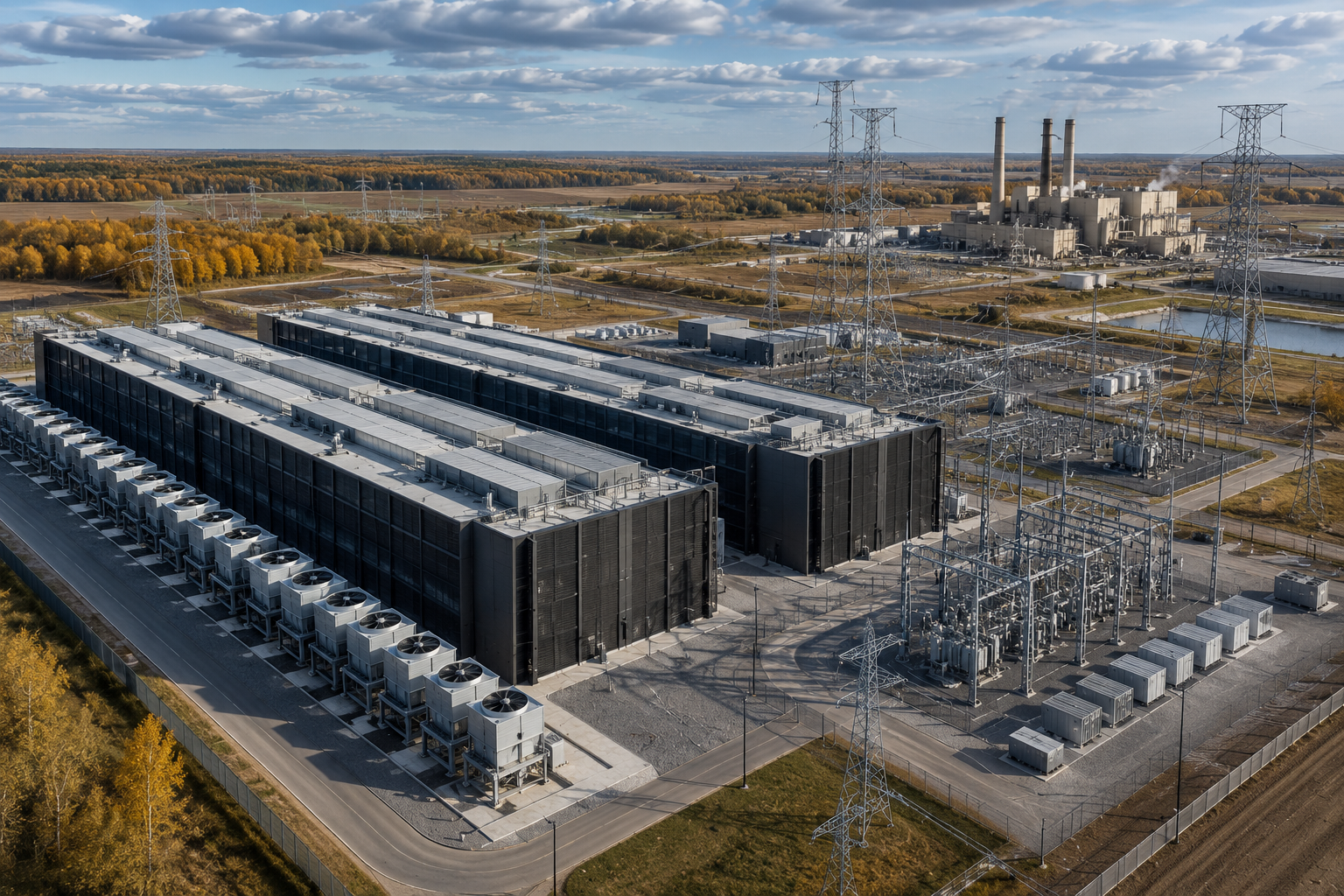
The race to scale artificial intelligence is triggering one of the most significant supply-chain bottlenecks in modern semiconductor history. Memory-chip prices—spanning flash, HBM (high-bandwidth memory), and HDD—are climbing at their fastest pace in years as manufacturers struggle to meet surging demand from data-centre operators, cloud hyperscalers, and consumer-electronics makers. Recent market commentary from The Economic Times underscores just how rapidly this shortage is intensifying, raising urgent questions about the next phase of earnings for semiconductor leaders and downstream hardware producers.
For investors, the memory crunch is more than a supply-chain story; it’s a signal of how aggressively capital is flowing into AI infrastructure globally. With hyperscale data-centre buildouts accelerating and AI workloads requiring exponentially more memory than traditional compute, the pressure on suppliers is expected to persist well into 2026. The result: widening performance gaps between chipmakers with scalable production capacity and downstream manufacturers exposed to rising component costs.
AI’s Unquenchable Appetite for Memory
AI systems—particularly generative AI and large-language-model training—consume enormous volumes of memory. A single high-performance AI server can require up to 8–12 times more memory than a standard cloud server, according to industry estimates cited by Bloomberg Intelligence. As tech giants like Amazon, Google, Meta, and Microsoft escalate their AI-infrastructure spending, memory has become the latest critical bottleneck.
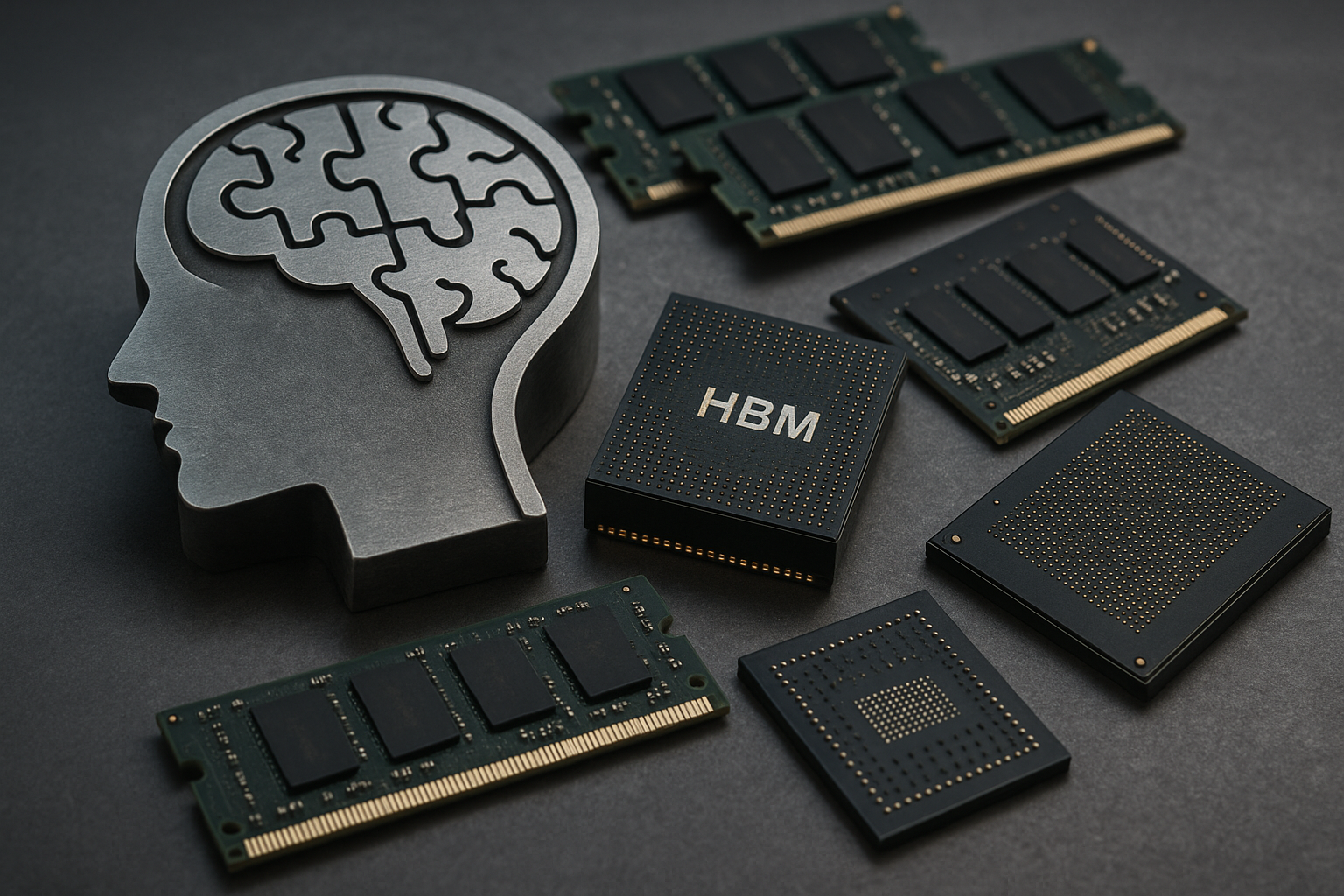
HBM chips, essential for training large AI models, remain in especially short supply. Analysts at TrendForce recently noted that HBM demand is rising over 200% year-over-year, while global production capacity is expanding far more slowly. Samsung Electronics, SK Hynix, and Micron—together responsible for nearly all HBM output—are facing order backlogs stretching deep into 2025.
Flash memory is also tightening. Smartphone makers, AI-pc manufacturers, and cloud-storage providers are simultaneously replenishing inventories after last year’s downturn, creating a demand-stacking effect that is pushing contract prices noticeably higher.
This convergence sets up what analysts describe as a “persistent tightness cycle,” with memory suppliers gaining pricing power at precisely the time hardware manufacturers are least equipped to absorb cost inflation.
Why This Matters for Investors
1. Chipmakers Reclaim Pricing Power
After nearly two years of cyclical weakness, memory suppliers are regaining control of pricing. SK Hynix has already signaled expectations of double-digit percentage price increases in upcoming quarters. Micron recently told investors it anticipates “meaningful margin expansion” in fiscal 2025 as AI-related demand remains resilient.
For investors seeking exposure to the semiconductor cycle, this marks a potential early-stage uptrend—especially for companies positioned to scale HBM and NAND production quickly.
2. Downstream Manufacturers Are Feeling the Squeeze
Smartphone makers, consumer-electronics brands, and AI-hardware assemblers face rising component costs that could pressure margins into 2026. Even companies with pricing power may struggle to fully pass on higher memory costs to consumers amid already-slowing discretionary spending.
Tech hardware stocks with large memory footprints—such as PC makers, AI-server manufacturers, and storage-device brands—may see mixed earnings performance depending on how effectively they manage procurement.
3. AI Infrastructure Spending Is Becoming a Macro Force
Global tech spending on AI infrastructure is now projected to surpass US$400 billion by 2027, according to McKinsey. As the scale of these investments expands, bottlenecks like memory shortages become systemic events rather than isolated supply-chain issues.
Investors who previously viewed memory as a cyclical subsector must now consider it a structural enabler of AI growth. In other words: the memory-chip cycle is becoming the AI-infrastructure cycle.
Future Trends to Watch
• HBM Production Acceleration
Samsung and SK Hynix have both announced new multi-billion-dollar plans to expand HBM capacity. Micron is bringing new lines online in Japan and the United States. Investors should watch quarterly capex updates, as any delays could worsen the bottleneck.
• Memory-Intensive AI Models
Model sizes continue to scale, with frontier models now requiring 30–40% more memory than their predecessors. If this trend continues, shortages will deepen—benefiting producers but challenging downstream industries.
• Supply-Chain Consolidation
Memory shortages may accelerate M&A activity as chipmakers seek control over advanced packaging, HBM stacking processes, and raw-material supply. Several analysts at Bernstein and JPMorgan have flagged the likelihood of more vertically integrated semiconductor deals.
• Pricing Pass-Through in Consumer Tech
If smartphone and PC makers cannot pass on higher memory costs to consumers, margin compression may become a theme in Q1–Q2 2026 earnings.
Key Investment Insight
Investors should closely monitor quarterly earnings from Samsung, SK Hynix, and Micron. These companies are positioned to benefit most from sustained memory-chip pricing power, particularly in HBM and NAND. Meanwhile, those with heavy exposure to memory-intensive hardware—such as AI-server OEMs, PC manufacturers, and smartphone brands—should be evaluated for margin resilience in the face of rising input costs.
Risk-tolerant investors may view the memory crunch as an opportunity to accumulate positions in suppliers with strong balance sheets and aggressive capacity-expansion plans. Conservative investors may prefer diversified semiconductor ETFs that capture AI-infrastructure upside with lower individual-name risk.
Staying ahead of fast-moving AI-infrastructure trends is critical for positioning portfolios in an environment where supply-chain constraints can shift valuation narratives in weeks—not months. For continuing coverage on the semiconductor cycle, AI infrastructure, and market-moving developments, follow MoneyNews.Today for daily investor-focused insights.