The race to dominate artificial intelligence has entered a new phase—one defined less by who can build the largest or fastest foundation models and more by who can deploy AI at commercial scale. That distinction is becoming increasingly important for investors, and according to Cohere CEO Aidan Gomez, the advantage is shifting firmly toward the U.S. and Canada. At the Reuters NEXT conference this week, Gomez noted that while China remains a formidable competitor in core model development, North America is rapidly extending its lead where it matters most for economic impact: enterprise adoption, commercialization, and infrastructure scale.
It’s a statement that arrives as AI markets continue to surge, with global investment in generative AI expected to exceed $200 billion annually by 2030, according to Bloomberg Intelligence. At the same time, companies across sectors—from finance and healthcare to energy and logistics—are accelerating AI integration. Yet behind these headlines lies a deeper question: which region is best positioned to monetize AI, not just innovate it?
North America’s Strategic Edge in Commercial AI
Gomez’s remarks highlight a critical trend unfolding in real time. While nations worldwide race to train larger and more sophisticated models, the biggest challenge is no longer raw capability—it’s enterprise implementation. This includes everything from integrating AI into corporate workflows to building the data-center capacity required to support widespread AI deployment.
According to Reuters reporting, U.S. and Canadian companies are now leading the global market in these areas due to several structural advantages:
1. Deep Enterprise Partnerships
North American AI firms—Cohere, OpenAI, Anthropic, and others—are rapidly forming multi-billion-dollar partnerships with cloud providers and Fortune 500 companies. These partnerships are accelerating real-world AI adoption across sectors, including banking, retail, and industrial operations.
2. Cloud Ecosystem Dominance
AWS, Google Cloud, and Microsoft Azure collectively control more than two-thirds of global cloud infrastructure, according to Synergy Research. Their physical presence in the U.S. and Canada gives AI developers unparalleled access to scalable compute resources.
3. Regulatory Stability
While evolving, North America’s regulatory frameworks around AI are generally viewed as more predictable and business-friendly than Europe’s more restrictive approach or China’s evolving oversight environment. This stability attracts enterprise clients seeking long-term implementation strategies.
4. Talent & Research Clusters
Canada in particular continues to punch above its weight in AI research, with Toronto, Montreal, and Vancouver among the world’s strongest machine-learning talent hubs. The U.S. remains home to the largest AI labor force globally.
Why This Matters for Investors
For investors, this shift toward commercialization is far more significant than the model-development race that has dominated headlines. Building a cutting-edge model may require billions in capital, but deploying AI at scale touches countless sectors and creates exponential growth opportunities.
Several investment themes are emerging:
1. Data-Center Infrastructure Is Becoming a Primary AI Bottleneck
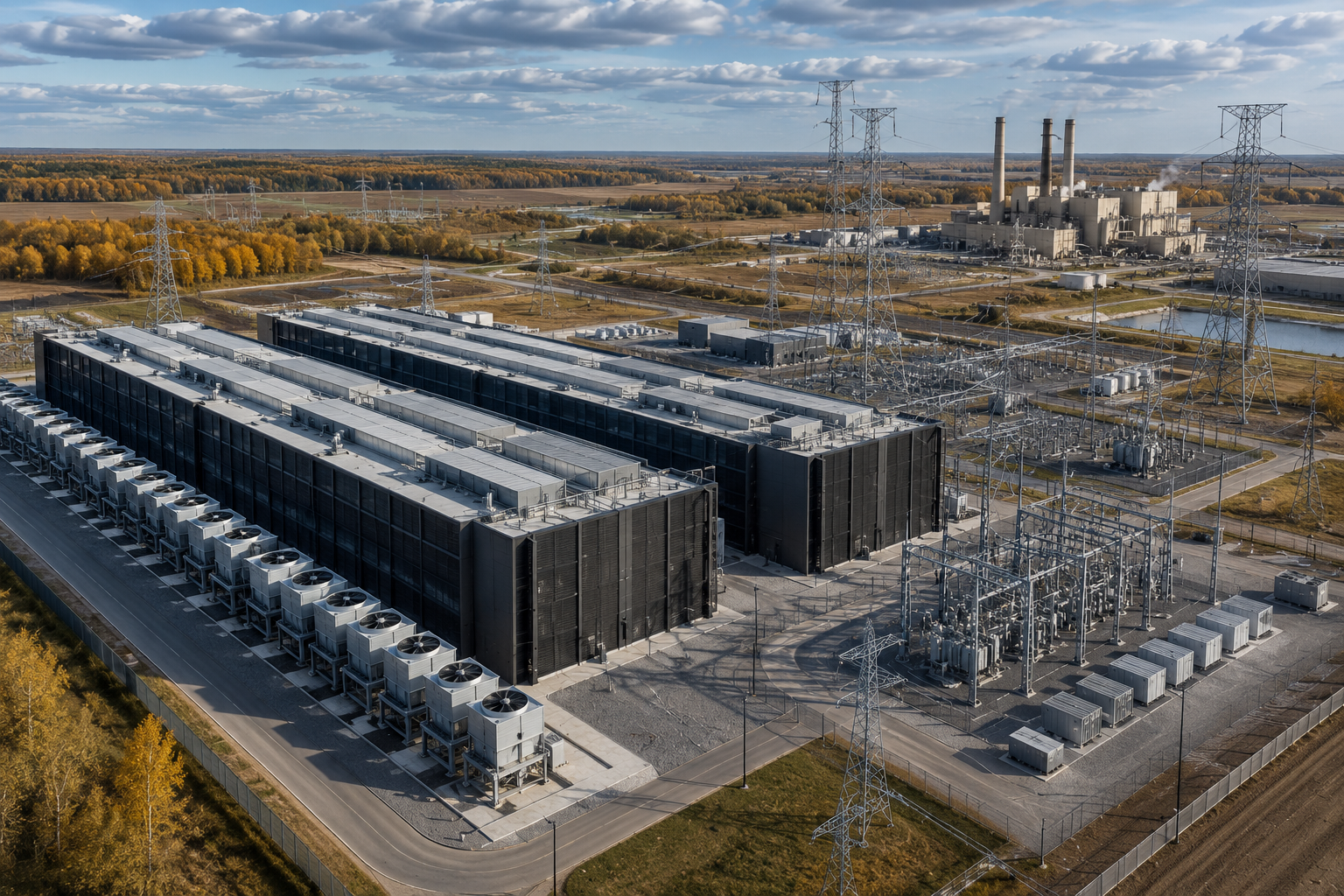
McKinsey estimates that AI-driven data-center demand will require three to four times more power capacity by 2030. This has major implications for:
- Data-center operators (Equinix, Digital Realty)
- Grid modernization companies
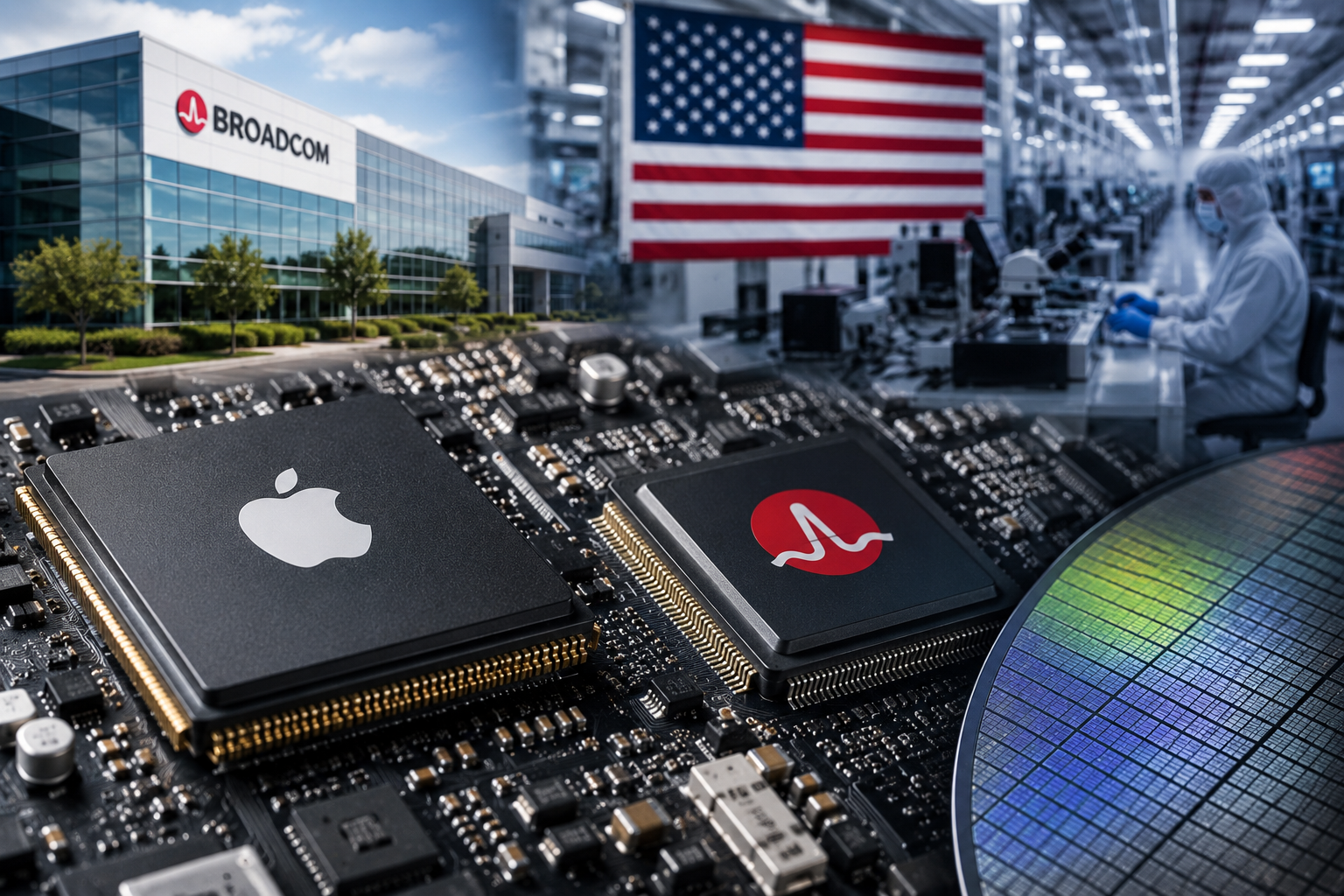
- Semiconductor firms (Nvidia, AMD, Broadcom)
- Cooling and power-efficiency technology providers
Companies providing the “picks and shovels” of the AI boom increasingly look like the most reliable growth opportunities.
2. Enterprise-AI Deployment Will Outpace Consumer AI Growth
Corporate spending on AI tools is expected to grow five times faster than consumer AI adoption, according to Gartner. Investors should pay attention to companies that specialize in:
- Enterprise software integration
- Cloud-AI services
- Vertical AI solutions (healthcare, finance, manufacturing)
This is where real monetization will occur—not in standalone chatbots, but in systems woven deeply into business operations.
3. North America’s AI Leadership Is Likely to Attract Global Capital
As U.S. and Canadian firms increasingly emerge as the preferred partners for enterprise AI deployment, global institutional investors may shift additional capital into North American tech markets. This mirrors historical trends seen during previous tech cycles, including cloud adoption in the 2010s.
Future Trends to Watch
Looking ahead, several catalysts could accelerate this regional advantage:
- AI-optimized chips and accelerators: North American hardware manufacturers are rushing to meet explosive compute demand.
- AI-ready regulatory frameworks: Policies in the U.S. and Canada focused on responsible deployment rather than heavy restrictions may strengthen competitive positioning.
- Growth of industry-specific AI platforms: Banking, healthcare, and energy are likely to become early winners in AI-enabled productivity gains.
- International partnerships with Europe and Asia may expand North American AI export opportunities.
Key Investment Insight
Investors should widen their focus beyond AI model developers toward the broader AI-commercialization ecosystem—including cloud infrastructure, enterprise-AI software, semiconductors, data-center construction, energy utilities, and workflow-automation platforms. These categories may offer more stable, scalable opportunities as AI moves from experimentation to mass deployment.
Stay tuned with MoneyNews.Today for the latest market-moving developments, daily investor analysis, and insights into the technologies shaping tomorrow’s economy.