Copper is back in the spotlight—and investors are taking notice. As prices push to fresh records, shares of major miners have rallied sharply, led by Freeport-McMoRan, one of the world’s largest publicly traded copper producers. Coverage from Yahoo Finance highlights how tight supply conditions and accelerating demand tied to electrification and infrastructure are reshaping the metals landscape at a pivotal moment for global markets.
For investors navigating the transition toward cleaner energy and technology-driven growth, copper’s surge is more than a commodity headline—it’s a signal about long-term structural demand colliding with constrained supply.
A Breakout Move in Copper Prices
Copper prices have climbed to new highs after months of steady gains, reflecting a market that is increasingly tight. Years of underinvestment in new mines, combined with permitting delays and declining ore grades, have limited supply growth. At the same time, demand continues to expand as governments and corporations invest heavily in electrification, grid upgrades, and electric vehicles.
According to data cited by Yahoo Finance, copper equities have responded swiftly. Freeport-McMoRan shares surged alongside the commodity, benefiting from its scale, diversified asset base, and direct leverage to rising copper prices.
Market analysts note that copper has historically acted as a barometer for global industrial activity. When prices rise sharply, it often reflects confidence in long-term infrastructure and manufacturing demand rather than short-term speculation alone.
Why This Matters for Investors
Copper’s role in modern economies is difficult to overstate. It is a critical input in:
- Electric vehicles and charging infrastructure
- Renewable energy systems, including wind and solar
- Power grids, data centers, and industrial automation
Bloomberg Intelligence estimates that electrification trends could significantly increase copper demand over the next decade, even under conservative adoption scenarios. This demand growth contrasts sharply with supply realities, where new mine development can take a decade or more.
For investors, this imbalance creates a compelling long-term thesis—but also introduces volatility risk near price peaks.
Freeport-McMoRan and the Miner Advantage
Freeport-McMoRan’s rally underscores why established producers tend to outperform during commodity upcycles. With existing operations and infrastructure in place, large miners can benefit immediately from higher prices without the long lead times faced by new projects.
Analysts have also pointed to Freeport’s operational leverage: incremental price increases can translate into outsized cash flow gains. This has implications for shareholder returns, including dividends and balance-sheet strengthening, particularly if elevated prices persist.
However, history shows that mining stocks are cyclical. While earnings can surge during bull markets, they are also exposed to commodity pullbacks, cost inflation, and geopolitical risks tied to mining jurisdictions.
Green Energy and Infrastructure: The Structural Tailwind
The copper rally is closely tied to broader policy and investment trends. Governments in the U.S. and abroad continue to allocate capital toward infrastructure modernization and clean energy initiatives. Consulting firm McKinsey has highlighted that electrification is one of the most copper-intensive transitions in modern history.
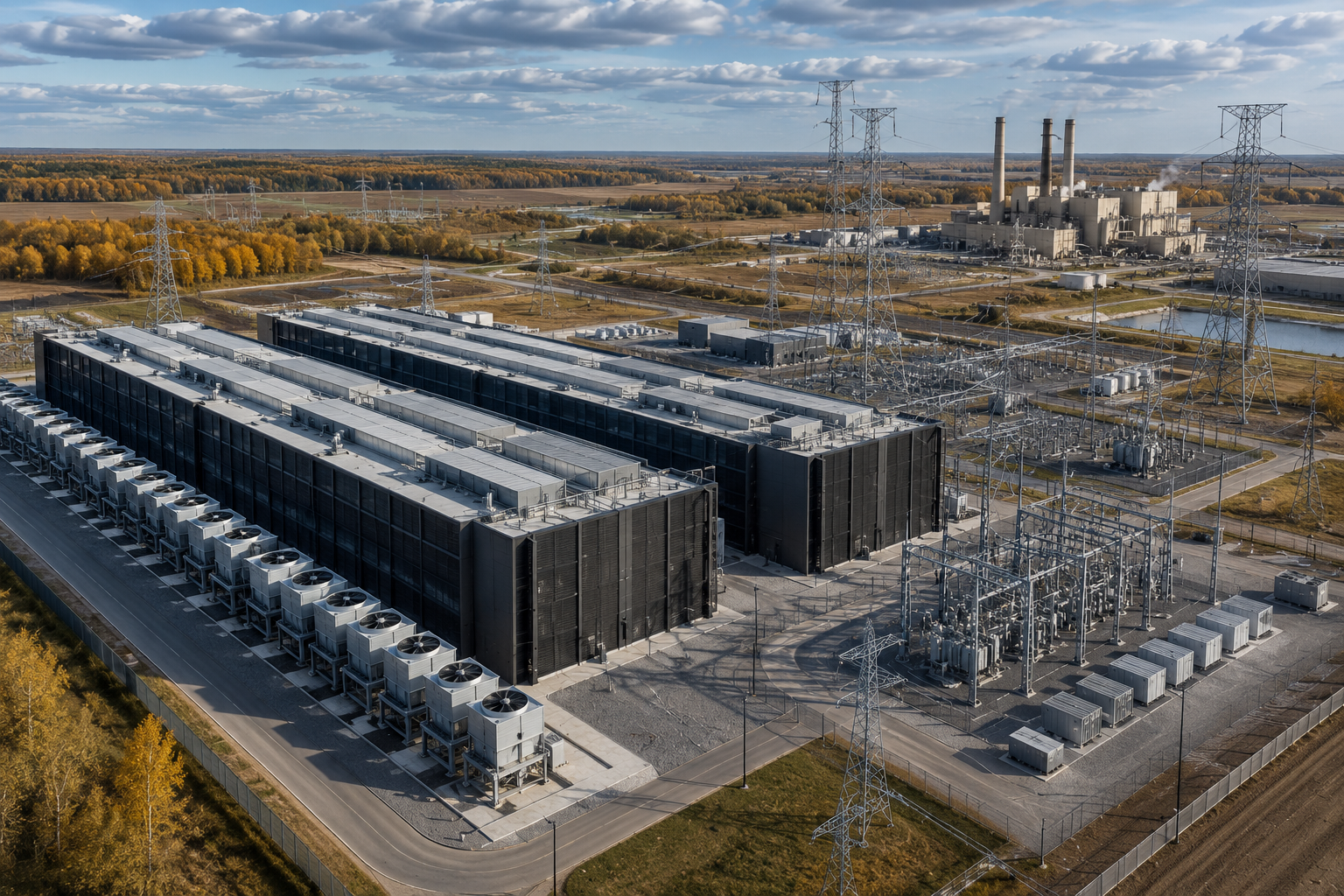
Data centers and AI infrastructure also add to demand, as power-hungry facilities require extensive wiring and grid connections. This convergence of green energy, technology, and industrial investment helps explain why copper has remained resilient even amid mixed macroeconomic signals.
Risks Investors Should Watch
Despite the bullish narrative, elevated prices introduce risks. Commodity markets are prone to sharp corrections, particularly if:
- Global growth expectations weaken
- Interest rates remain higher for longer
- Speculative positioning becomes crowded
Additionally, political and regulatory developments can impact mining operations, especially in resource-rich regions where governments seek greater control or revenue from natural assets.
For portfolio construction, this means copper exposure should be sized appropriately and balanced with diversification across sectors.
Future Trends to Watch
Looking ahead, investors should monitor:
- Supply-side developments, including new project approvals and production guidance
- Demand indicators, such as EV adoption rates and infrastructure spending
- Company fundamentals, including cost control and capital allocation at major miners
Analysts at several investment banks have suggested that while copper’s long-term outlook remains constructive, near-term price swings are likely as markets digest macro data and policy signals.
Key Investment Insight
Copper and copper-linked equities offer strategic exposure to electrification, green energy, and technology infrastructure—powerful themes shaping the next decade. However, with prices near record highs, volatility risk is elevated. Investors may benefit from focusing on high-quality producers with strong balance sheets and disciplined capital management rather than chasing momentum alone.
Stay ahead of commodity trends and structural investment themes with MoneyNews.Today, your trusted source for daily investor insights across markets, metals, and emerging industries.