Global markets are once again being driven less by earnings and more by geopolitics. Escalating tensions between the United States and key European partners over Greenland-related infrastructure and sovereignty issues are fueling renewed trade friction, triggering tariff threats and pushing investors toward classic safe-haven assets. Equity volatility has picked up, government bond yields are slipping, and gold and the U.S. dollar are regaining favor as capital shifts into defensive positioning.
For investors, the message is clear: political risk is no longer a background variable—it is a primary market driver.
Why This Matters for Investors
According to recent reporting from Bloomberg and Reuters, U.S. officials have signaled potential trade and investment restrictions tied to strategic Arctic infrastructure, while European leaders have pushed back, framing the issue as a matter of sovereignty and long-term security. The disagreement has revived fears of retaliatory tariffs, supply-chain disruptions, and a broader cooling of transatlantic economic cooperation.
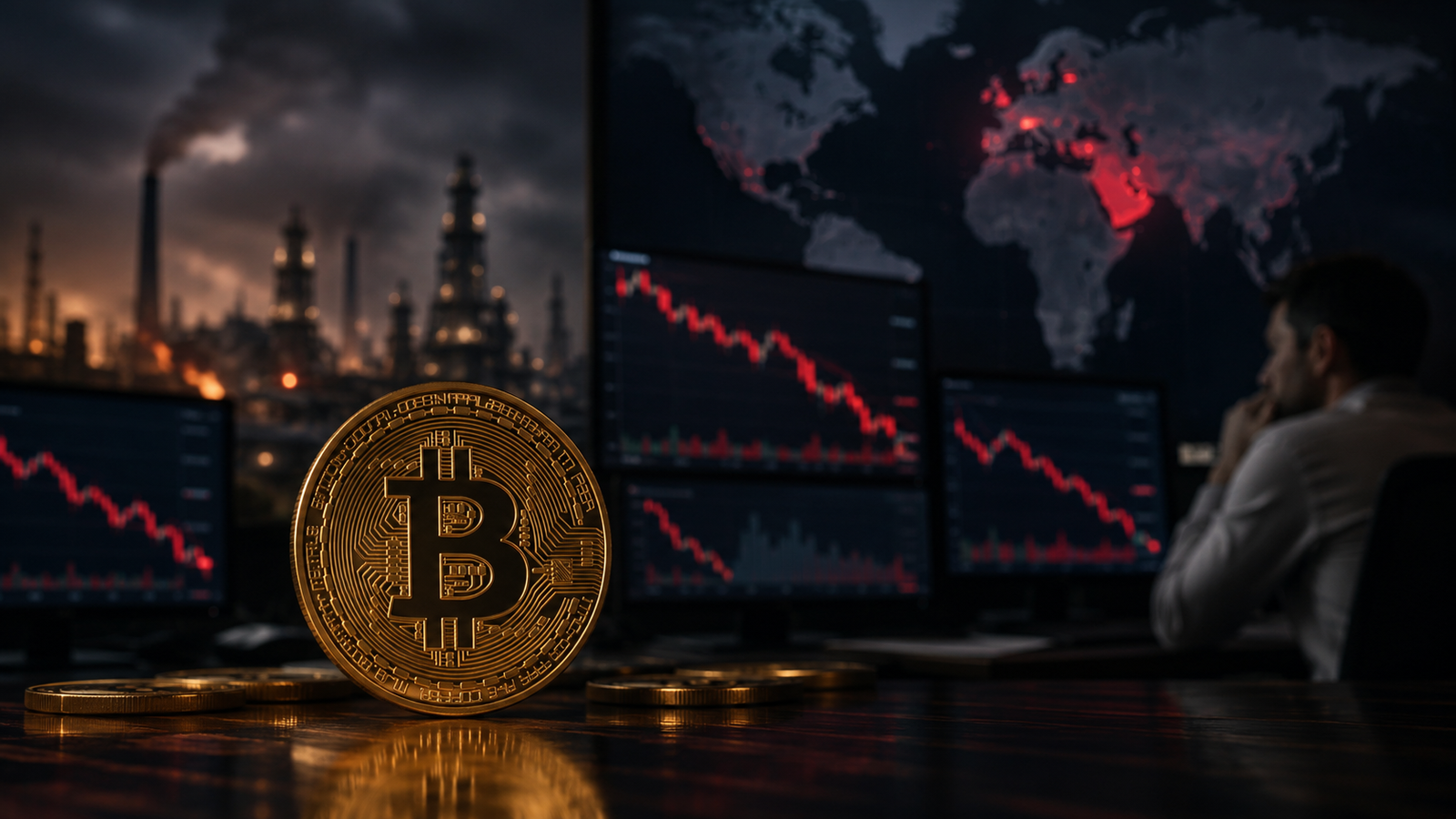
Markets have responded in familiar fashion. Global equity indices have shown increased intraday volatility, while U.S. Treasuries and German Bunds have attracted safe-haven inflows. The VIX volatility index has moved higher, and risk-sensitive sectors such as semiconductors, industrials, and cyclicals have come under pressure. Currency markets have also reflected a risk-off tone, with the Japanese yen and Swiss franc strengthening against higher-beta currencies.
For portfolio managers, this underscores how rapidly political headlines can alter risk sentiment, correlations, and capital flows.
The Strategic Importance of Greenland
Greenland’s role in global geopolitics has expanded significantly in recent years due to its critical mineral resources, Arctic shipping routes, and strategic military location. The region holds substantial reserves of rare earth elements, uranium, and base metals, making it a focal point for the U.S., the EU, and China as they compete to secure supply chains for clean energy, defense, and advanced technologies.
Analysts cited by the Financial Times and the International Energy Agency have emphasized that access to critical minerals is becoming a cornerstone of national security policy. Any policy measures that restrict investment, impose tariffs, or complicate cross-border partnerships could have ripple effects across mining equities, defense contractors, infrastructure firms, and renewable energy supply chains.
Market Impact Across Asset Classes
Equities:
Sectors most exposed to global trade—industrials, autos, technology hardware, and capital goods—are particularly sensitive to tariff rhetoric. Historically, as noted by JPMorgan and Goldman Sachs research, periods of trade-policy uncertainty have led to valuation compression and reduced earnings visibility for multinational companies.
Fixed Income:
Safe-haven demand is supporting high-quality sovereign bonds, with investors seeking duration as a hedge against geopolitical shocks. Lower yields, in turn, influence equity style leadership, often favoring defensive and dividend-oriented stocks.
Commodities:
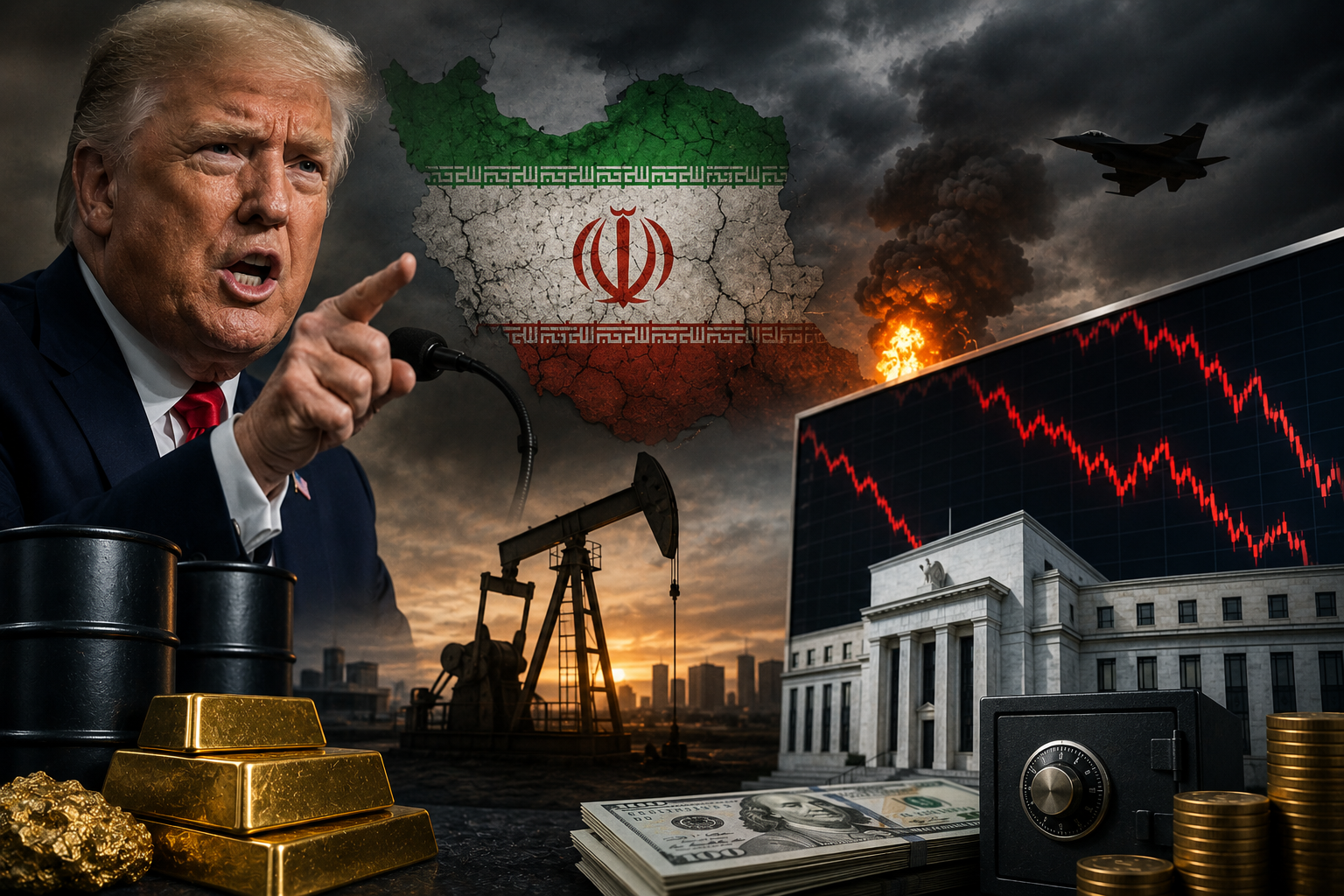
Gold has benefited from the renewed risk-off environment, reinforcing its role as a geopolitical hedge. Strategic metals linked to Arctic and defense supply chains—such as rare earths and specialty alloys—are also drawing attention, particularly among thematic and long-term investors.
Currencies:
The U.S. dollar’s strength reflects both safe-haven flows and the possibility that trade tensions could slow global growth, reinforcing its reserve-currency appeal.
Future Trends to Watch
Several developments could shape how this geopolitical narrative evolves:
- Policy Signals: Official statements from the U.S. Trade Representative, the European Commission, and NATO regarding Arctic cooperation and infrastructure investment.
- Tariff Implementation: Whether current rhetoric escalates into concrete trade measures or remains a negotiating tool.
- Critical Minerals Strategy: New government initiatives to secure domestic or allied supply chains, potentially benefiting mining and processing companies in North America and Europe.
- Defense and Infrastructure Spending: Rising strategic competition could translate into higher public investment, supporting select aerospace, cybersecurity, and engineering firms.
McKinsey and the World Economic Forum have both highlighted that geopolitical fragmentation is becoming a structural feature of the global economy, not a temporary shock. This implies that political risk premia may remain elevated across asset classes.
Key Investment Insight
In today’s markets, geopolitical developments can shift sentiment faster than macroeconomic data or corporate earnings. Investors should integrate political risk analysis into portfolio construction and stress testing, treating it as a core component of risk management rather than a peripheral concern.
Diversification across asset classes, selective exposure to defensive sectors, and allocation to traditional hedges such as gold and high-quality bonds can help cushion portfolios during periods of policy-driven volatility. At the same time, long-term themes linked to strategic resources, security, and infrastructure may present opportunities as governments adapt to a more fragmented global order.
Stay ahead of the headlines and their market implications with MoneyNews.Today, your trusted source for daily insights on geopolitics, macro trends, and the forces shaping global investment markets.