
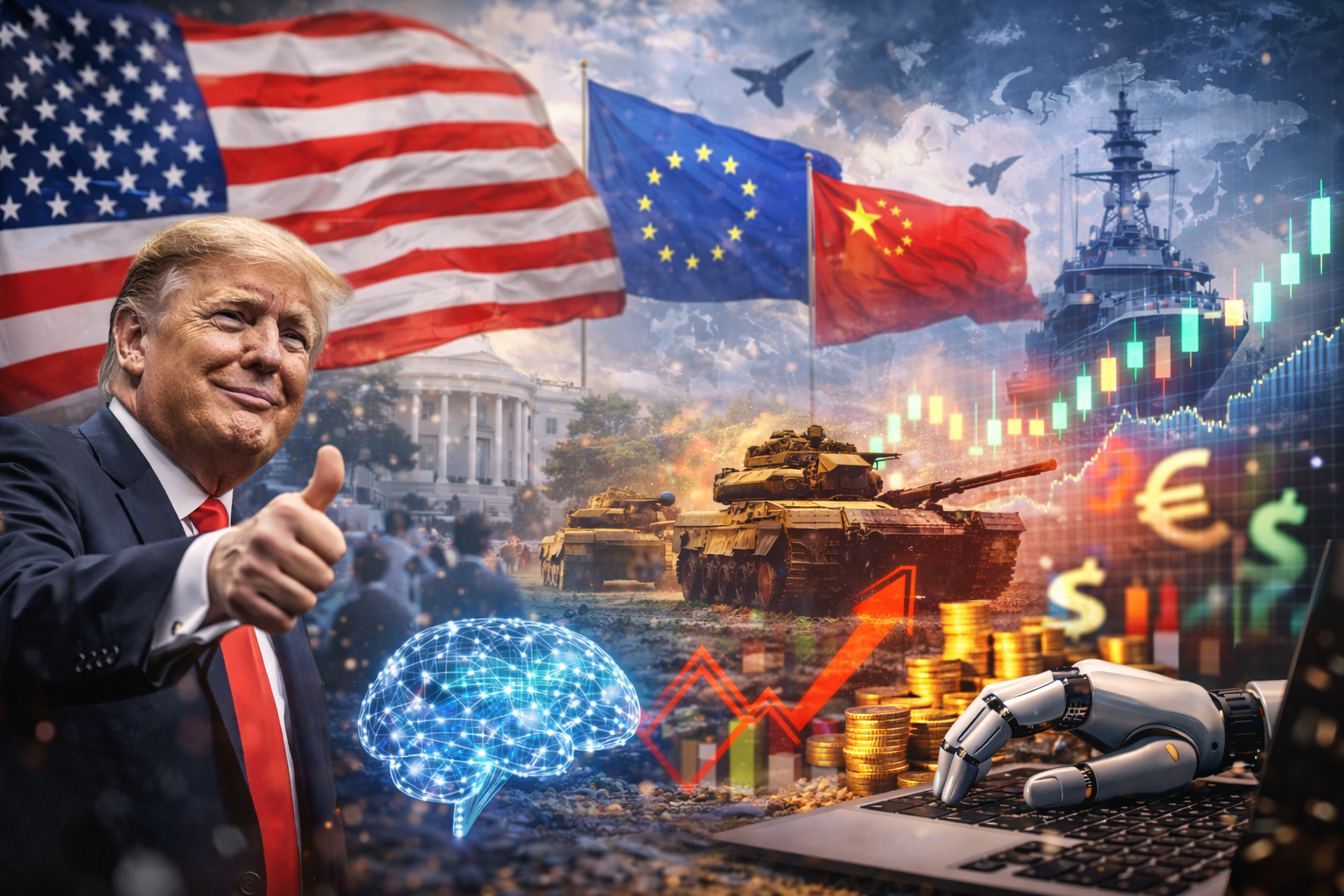
Global markets are once again being influenced by political headlines, as investors digest recent statements from President Donald Trump easing tariff threats with Europe and tempering rhetoric on Greenland. While these moves have provided temporary relief to risk assets, markets remain highly sensitive to shifts in geopolitical narratives, highlighting the continued importance of policy as a driver of investor sentiment. According to Reuters global markets analysis, even minor policy signals can influence foreign risk premiums, currency valuations, and macroeconomic expectations, keeping political risk firmly on the radar of portfolio managers.
Why This Matters for Investors
Political developments have long shaped market cycles, and recent events illustrate that even periods of relative calm can mask underlying vulnerabilities. The easing of tariff rhetoric helped lift U.S. futures and global equities, but analysts caution that investor positioning must account for the potential for rapid reversals. As Reuters notes, markets are particularly attentive to trade policies, defense posturing, and international agreements, as these factors directly impact corporate supply chains, investment flows, and cross-border earnings.
Investors need to differentiate between headline relief and structural policy changes. While tariff easing may reduce immediate uncertainty, the broader geopolitical landscape—including negotiations with Europe, Greenland, and other trade partners—remains fluid. This ongoing complexity underscores the need for active monitoring of both macro fundamentals and political narratives to effectively manage portfolio risk.
Political Risk as a Market Driver
Recent events reinforce the notion that political risk is no longer a peripheral factor; it has become central to market dynamics. When policy signals shift, risk premiums can adjust rapidly, influencing everything from bond yields to equity valuations. Bloomberg and market strategists highlight that sectors with international exposure, such as technology, industrials, and energy, are especially vulnerable to policy-driven sentiment swings.
For example, trade-sensitive stocks often experience heightened volatility in response to tariff threats or trade-deal negotiations. Conversely, defensive sectors and safe-haven assets, including gold, certain sovereign bonds, and cash-equivalent instruments, tend to attract inflows during periods of policy uncertainty. This dynamic creates opportunities for investors to balance exposure between growth-oriented assets and more defensive holdings depending on the evolving geopolitical backdrop.
Macro Implications of Policy Shifts
Beyond immediate market reactions, policy changes can also affect macroeconomic expectations. Shifts in trade policy, regulatory enforcement, and foreign relations have direct implications for inflation, corporate earnings, and currency stability. Reuters reports that even incremental adjustments in rhetoric or policy stance can influence investor assumptions regarding growth trajectories, capital expenditures, and cross-border trade flows.
Market participants are therefore increasingly incorporating political scenarios into their modeling and risk management frameworks. Scenario analysis—including stress testing for potential policy escalations—has become a critical tool for both institutional and retail investors seeking to anticipate the impact of geopolitical developments on asset prices.
Future Trends to Watch
Several key areas will determine how political developments continue to affect market behavior:
- Trade Relations and Tariff Policies: Ongoing negotiations with Europe and other partners will shape corporate earnings visibility and sector performance.
- Geopolitical Hotspots: Developments in regions such as Greenland, the Arctic, and global supply-chain corridors will remain closely monitored.
- Regulatory Signals: Changes in tax, environmental, and technology regulation may impact specific sectors and influence risk-adjusted returns.
- Market Sensitivity: Volatility in equities, currencies, and commodities will reflect investor interpretation of policy news, creating tactical opportunities for asset allocation.
Key Investment Insight
Investors must recognize that political risk is now a central determinant of market dynamics. Effective positioning requires balancing traditional macroeconomic analysis with real-time assessment of policy narratives. Risk-sensitive sectors, international equities, and commodity-linked assets can offer tactical opportunities for those who actively monitor geopolitical developments. Meanwhile, defensive allocations may help mitigate exposure to rapid sentiment shifts.
For actionable insights and continuous updates on U.S. policy, global geopolitics, and their impact on markets, follow MoneyNews.Today, your trusted source for daily, investor-focused intelligence.




