Alphabet (NASDAQ: GOOGL) is making one thing crystal clear: the race to dominate artificial intelligence is no longer just about software breakthroughs — it’s about who can build the biggest and most powerful infrastructure engine behind the scenes.
In a move that’s quickly becoming one of the most talked-about developments across Wall Street and tech investing circles, Alphabet has raised $20 billion through a bond sale to fund its accelerating AI expansion, according to Reuters and additional market coverage from ET Markets. The deal reflects a growing reality in today’s market: AI leadership will be determined by capital strength, data center scale, and computing power — not just innovation.
For investors, Alphabet’s move is not just a corporate finance headline. It’s a signal that the AI capex boom is entering a more aggressive phase, with major implications for tech valuations, supply chains, and the next wave of winners across the market.
A Debt-Fueled AI Arms Race Is Taking Shape
Alphabet’s bond issuance comes at a time when the AI market is shifting from hype-driven narratives to infrastructure-driven execution. Training and deploying large AI models requires massive resources — including advanced semiconductors, specialized servers, energy-intensive data centers, and high-speed networking.
Alphabet’s decision to tap the credit markets suggests management is positioning for long-term AI demand that could span decades. The strong investor demand for the bond offering also signals confidence that Alphabet can maintain profitability while scaling AI operations.
According to Reuters, the bond sale is directly tied to financing major AI-related investments, including expanded cloud infrastructure and AI computing capabilities. The move aligns with Alphabet’s broader push to strengthen Google Cloud, develop AI-powered consumer products, and compete with rivals such as Microsoft and Amazon.
Why This Matters for Investors Right Now
This bond issuance is not happening in isolation. It’s part of a broader pattern: Big Tech is increasingly willing to deploy aggressive financing strategies to secure an edge in AI.
For investors, Alphabet’s $20B deal confirms three important market realities:
1. AI Infrastructure Spending Is Accelerating
Alphabet is effectively telling the market that AI demand is real enough to justify multi-billion-dollar long-term investment. This adds credibility to forecasts projecting AI-related spending growth across the global economy.
2. The AI Boom Is Becoming More Capital-Intensive
The AI economy is increasingly rewarding firms with the ability to spend at scale. Companies that cannot afford massive capex may struggle to compete — even if they have strong software or research talent.
3. Market Leadership Will Depend on Execution, Not Just Innovation
Alphabet already has deep AI expertise. But this move highlights that execution in infrastructure and scaling is becoming the deciding factor.
Where the $20B Could Flow: Data Centers, Chips, and Cloud Growth
Alphabet’s AI expansion strategy is likely to focus on three major investment lanes:
AI Data Centers
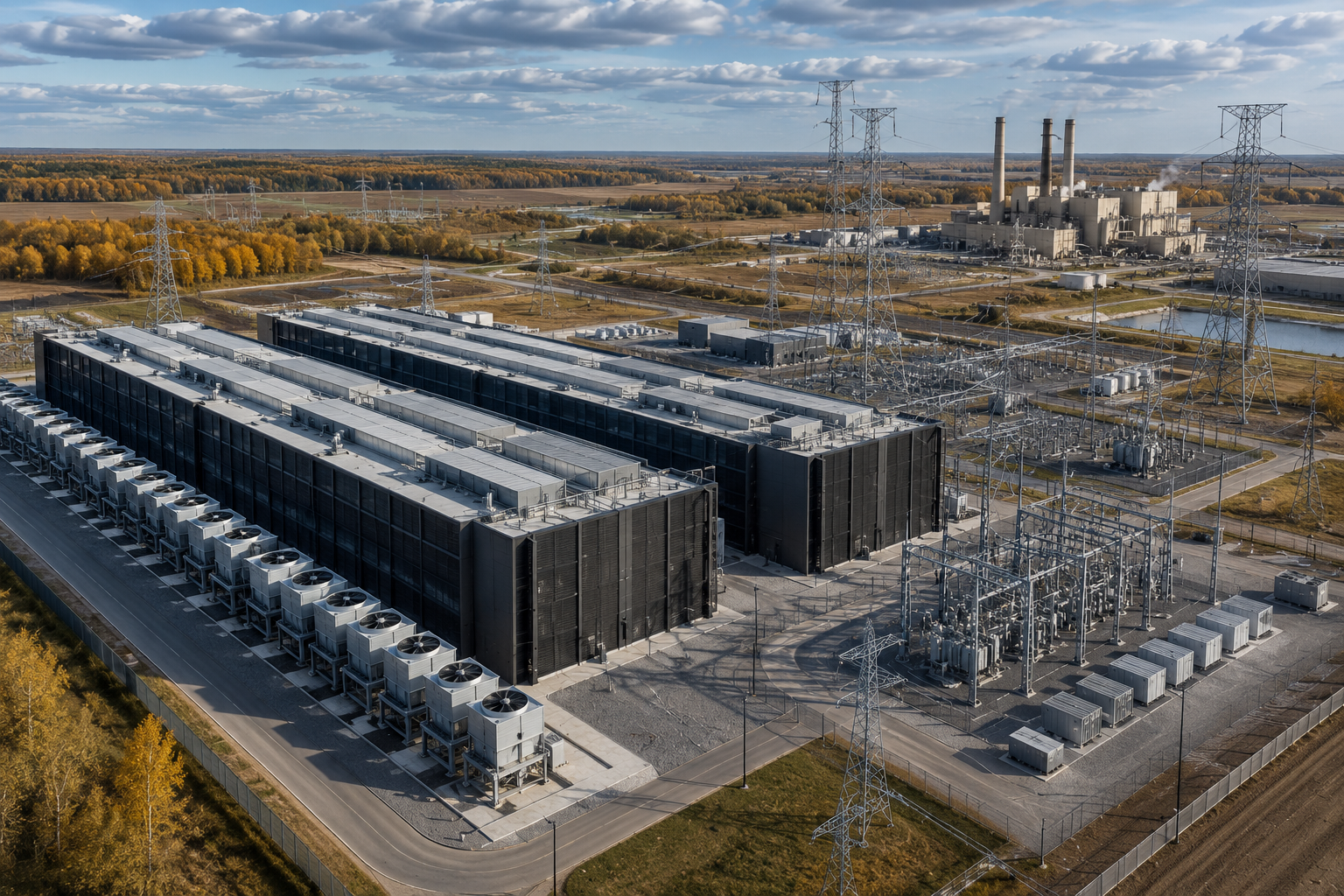
Data centers are the physical foundation of AI growth. Alphabet must scale capacity to support demand from Google Search, YouTube, Google Cloud customers, and enterprise AI workloads. As AI usage grows, data center expansion becomes unavoidable — and extremely expensive.
Semiconductor and Compute Power
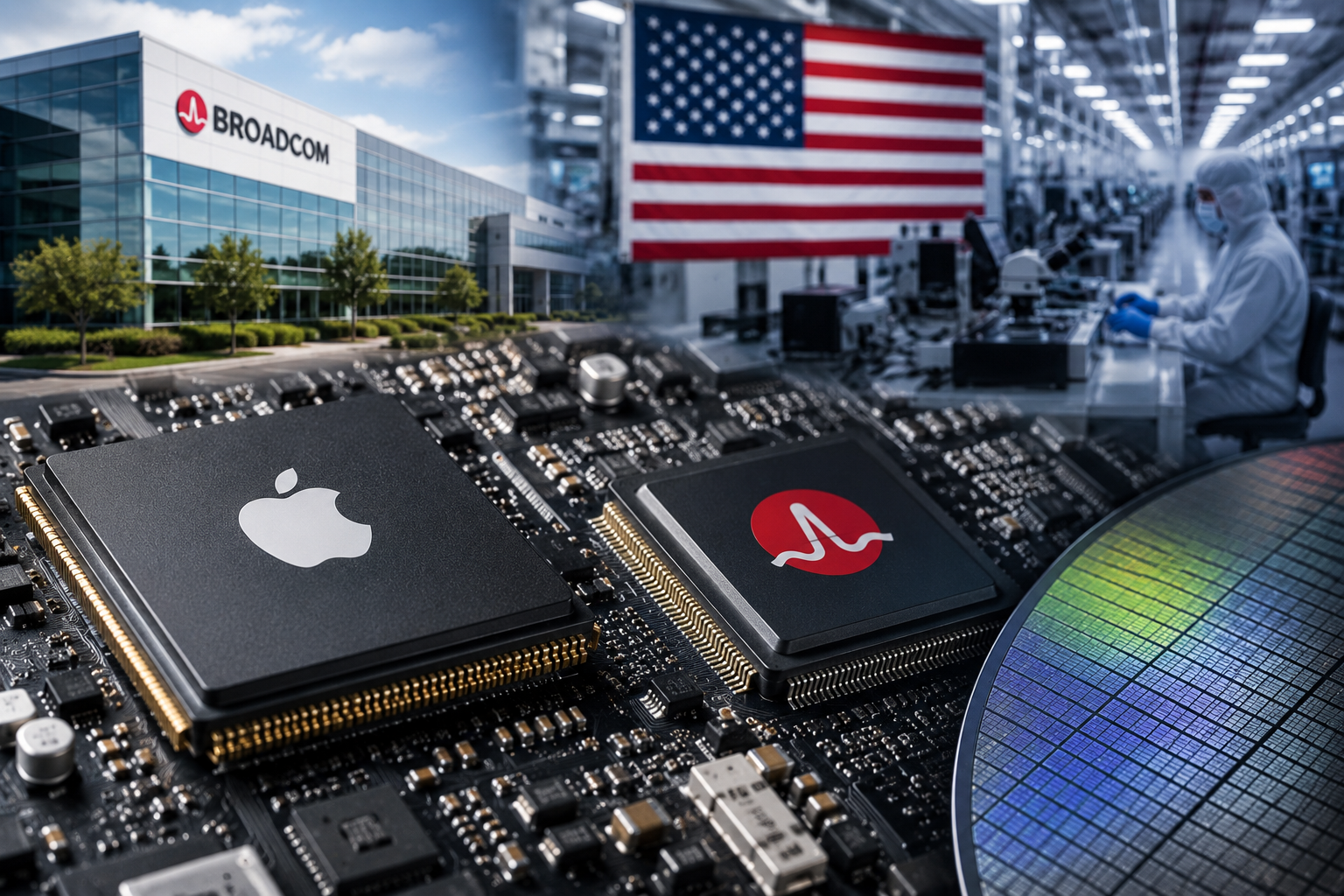
AI models require high-performance chips, often sourced through partnerships and supply chains involving leading chipmakers. While Alphabet develops its own TPU (Tensor Processing Unit) technology, it still relies heavily on the broader semiconductor ecosystem.
This is where investors should pay attention: Alphabet’s capex push could indirectly benefit AI-linked chip suppliers, networking providers, and data center infrastructure firms.
Cloud and AI Monetization
Google Cloud remains a core battlefield. Alphabet’s ability to monetize AI tools through cloud services will likely determine how quickly these investments translate into shareholder returns.
The Market Message: Confidence in Long-Term AI ROI
The strong demand for Alphabet’s bonds suggests institutional investors are comfortable lending to Alphabet at scale, even as the company enters a higher-spending cycle.
That matters because markets are increasingly sensitive to capex-heavy strategies. While AI investment can unlock massive future earnings, it can also compress margins in the short term — something investors have already seen across the tech sector.
Still, Alphabet’s ability to raise $20B indicates that investors view its balance sheet as strong enough to support long-term expansion without threatening financial stability.
This also reinforces a broader trend: AI is now a strategic priority on the same level as the early internet buildout or the smartphone revolution.
Risks Investors Should Watch
Alphabet’s aggressive AI investment push isn’t risk-free. Investors should monitor several key pressure points:
Margin Compression
Heavy infrastructure spending can reduce free cash flow and create near-term earnings headwinds. Even strong companies can face valuation pullbacks if profitability declines faster than expected.
AI Monetization Uncertainty
The biggest open question is whether Alphabet can monetize AI at scale without cannibalizing its traditional advertising business. If AI-driven search changes ad dynamics, revenue models may need restructuring.
Debt Expansion Across Big Tech
Alphabet’s move may encourage similar debt-funded expansion across peers. If too many companies overbuild infrastructure, AI could face a supply glut, pressuring returns.
Future Trends to Watch in the AI Capex Cycle
Alphabet’s bond sale may mark the beginning of a new phase in the AI investment cycle. Investors should keep an eye on:
- Big Tech bond issuance trends (Microsoft, Amazon, Apple could follow)
- Semiconductor supply chain demand surges
- Cloud pricing competition
- Energy and power grid investment growth tied to AI data centers
- AI regulation and government oversight, which could impact deployment and monetization
This isn’t just a tech story — it’s an infrastructure story with ripple effects across the broader economy.
Key Investment Insight: Follow the AI “Picks and Shovels” Winners
Alphabet’s bond sale highlights a critical investor takeaway: AI is becoming an industrial-scale expansion, meaning the winners may not only be the companies building AI models — but also those supplying the tools.
Investors should watch industries positioned to benefit from sustained AI infrastructure spending, including:
- Semiconductor manufacturing and AI chip supply chains
- Data center construction and cooling technology
- Cloud infrastructure and enterprise software platforms
- High-speed networking and fiber connectivity providers
- Power generation and grid modernization companies
Alphabet’s move supports the thesis that AI infrastructure spending will remain strong — even if the broader market experiences volatility.
Alphabet’s $20 billion bond sale is more than a headline — it’s a sign that the AI boom is evolving into a multi-year capital deployment cycle that could reshape market leadership across technology and beyond.
For daily investor-focused coverage on the biggest market-moving developments, stay locked into MoneyNews.Today.