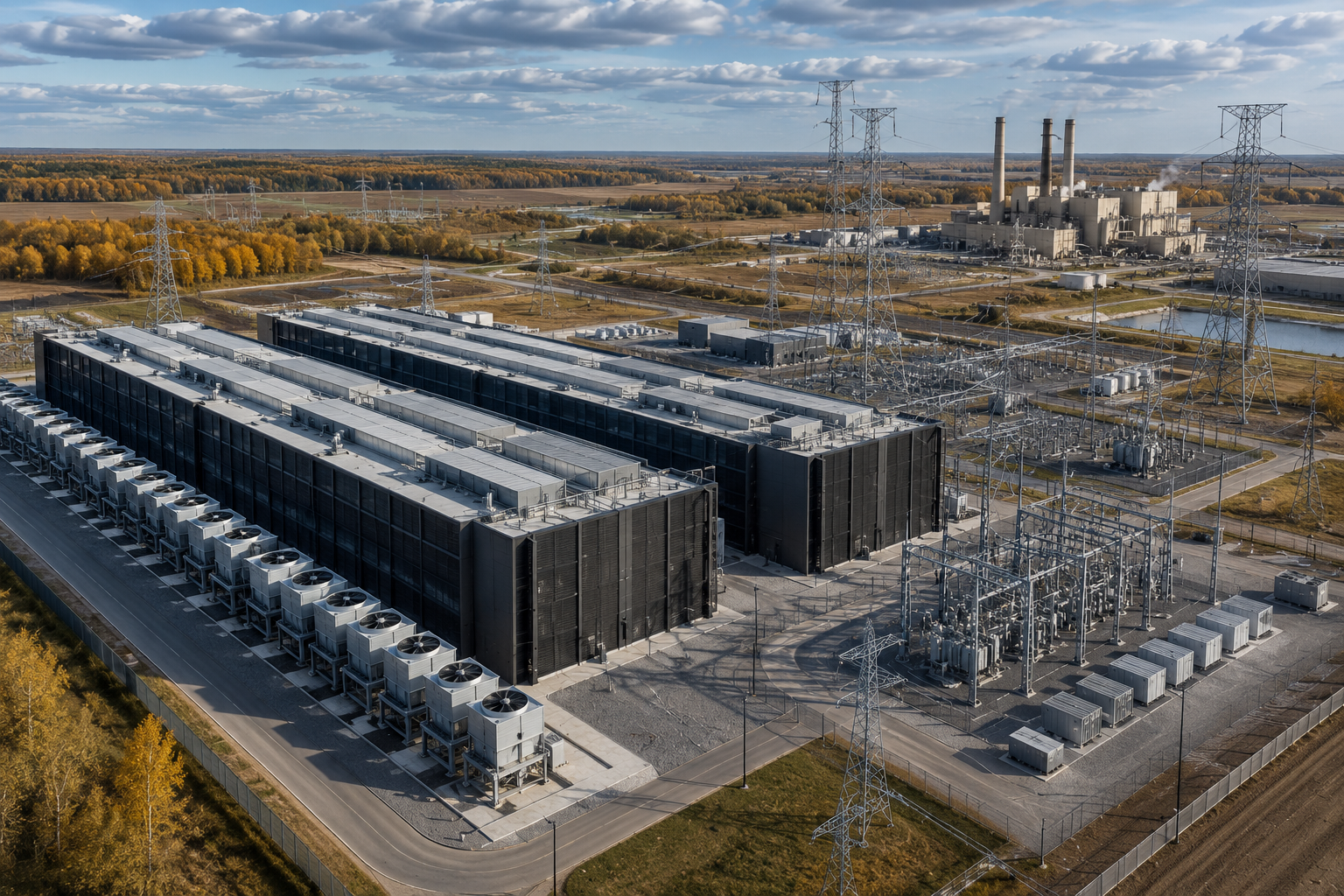
The global race for technological dominance is increasingly being fought not just in laboratories and data centers — but in mines.
Rare earth elements (REEs), once a niche corner of the commodities market, are rapidly becoming strategic assets. As artificial intelligence hardware scales, electric vehicles expand, and renewable energy installations accelerate, investors are turning their focus toward companies producing the critical minerals that make it all possible.
From advanced semiconductors to wind turbines and EV motors, rare earth materials are embedded in the backbone of modern innovation. And capital markets are taking notice.
A Structural Shift in Demand
Rare earth elements — including neodymium, praseodymium, dysprosium, and terbium — are essential for high-strength magnets used in electric motors, robotics, and defense systems. They also play a role in advanced electronics and AI-related hardware.
According to coverage from Bloomberg and Reuters, global governments are increasingly classifying rare earths as “strategic minerals,” citing supply chain vulnerability and geopolitical concentration risks.
The International Energy Agency has previously projected that mineral demand for clean energy technologies could multiply significantly over the coming decades. Meanwhile, McKinsey & Company has highlighted electrification and automation as structural megatrends driving sustained materials demand.
For investors, this isn’t a short-term trade — it’s a secular theme.
Supply Concentration and Strategic Realignment
One of the central issues driving attention toward rare earth stocks is supply concentration. A large share of global rare earth processing capacity remains geographically concentrated, prompting Western nations to pursue diversification initiatives.
In North America, companies such as MP Materials have gained prominence as domestic producers aiming to build integrated supply chains. In Canada, firms like Lynx Rare Earths (with North American strategic partnerships) and emerging exploration players are drawing investor interest.
Governments in the U.S. and Canada have introduced funding programs and policy frameworks to support critical mineral development. These initiatives are designed to reduce dependence on foreign supply while strengthening domestic manufacturing capacity.
For public markets, policy backing can translate into long-term visibility and capital inflows.
Why This Matters for Investors
The investment case for rare earth stocks rests on three pillars:
1. Electrification and EV Growth
Electric vehicle motors rely heavily on permanent magnets made with rare earth elements. As EV adoption expands globally, magnet demand is expected to grow in parallel.
2. AI and Data Infrastructure
Advanced computing hardware and robotics require specialized components that incorporate rare earth materials. As AI infrastructure scales, materials demand may follow.
3. Renewable Energy Expansion
Wind turbines and grid infrastructure systems also depend on rare earth magnets and advanced materials.
According to industry analysts cited by Reuters, tight supply combined with steady demand growth could support favorable pricing dynamics over the medium to long term.
However, rare earth equities can be volatile. Prices are sensitive to geopolitical developments, export restrictions, and shifts in industrial policy.
Risks and Market Realities
Despite strong long-term fundamentals, rare earth stocks face meaningful risks:
- Commodity price volatility
- Project execution delays
- Environmental and permitting challenges
- Capital intensity and financing needs
Junior miners, in particular, carry exploration and funding risk. Larger producers with operational assets and established processing facilities may offer comparatively lower volatility.
Additionally, substitution technology remains a variable. Advances in magnet design or material efficiency could moderate long-term demand growth.
Investors must weigh structural demand drivers against cyclical commodity fluctuations.
Future Trends to Watch
Government Incentive Programs
U.S. and Canadian federal initiatives supporting domestic mineral production could accelerate project timelines.
Strategic Partnerships
Joint ventures between mining firms and automotive or semiconductor companies may signal supply chain integration.
Processing and Refining Expansion
Building refining capacity outside concentrated regions will be critical to unlocking full value.
M&A Activity
Larger mining firms may acquire promising rare earth developers to secure long-term supply.
Key Investment Insight
Rare earth and critical mineral equities represent exposure to long-duration megatrends tied to electrification, artificial intelligence, and energy transition. Unlike speculative momentum plays, these materials underpin foundational industrial demand.
Investors seeking exposure should consider a diversified approach — balancing established producers with selective high-quality developers. Evaluating resource grade, jurisdiction stability, balance sheet strength, and offtake agreements is essential.
As global supply chains realign and technology adoption accelerates, rare earth producers may find themselves at the center of a strategic commodities cycle.
For ongoing coverage of critical mineral markets, emerging industry trends, and sector-focused investment opportunities, stay informed with MoneyNews.Today — your trusted source for daily investor insights.