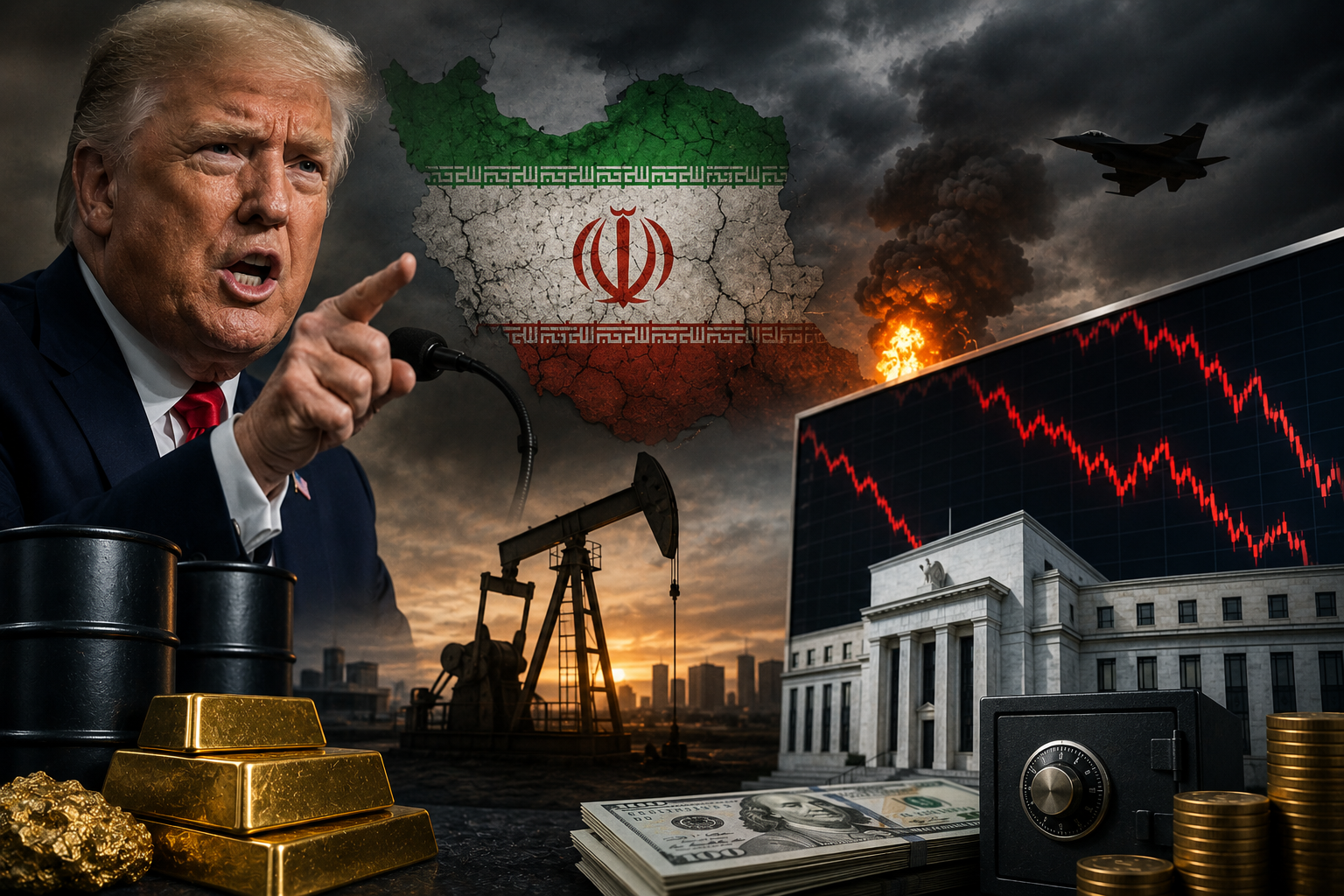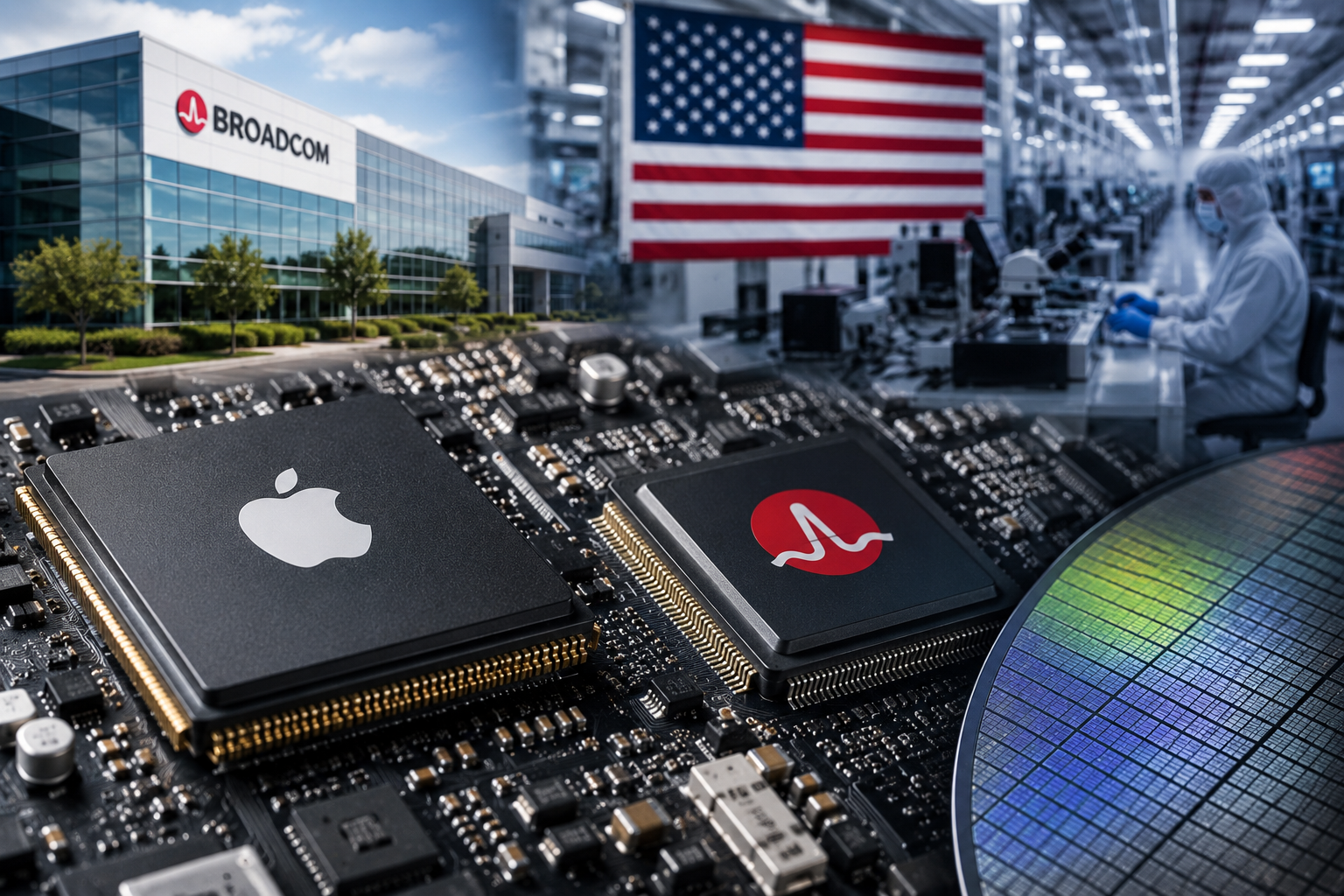
Markets may open on earnings and close on economic data — but increasingly, they trade on politics.
From regulatory scrutiny of artificial intelligence to shifting trade policies and tariff discussions, U.S. political developments continue to influence how investors price risk. Even on days without a single dominant headline, Washington’s policy direction remains embedded in equity valuations, bond yields, and sector rotation decisions.
For investors navigating 2026’s complex landscape, politics is no longer background noise. It is a core variable.
Policy Sensitivity Is Elevated
Over the past several years, markets have demonstrated heightened responsiveness to government decisions. According to reporting from Bloomberg and Reuters, investor sentiment has repeatedly shifted in response to regulatory announcements affecting technology, semiconductor exports, and global trade agreements.
Technology firms, in particular, face evolving oversight around data governance, AI deployment, and antitrust enforcement. At the same time, industrial and manufacturing sectors remain sensitive to tariffs and reshoring incentives.
The impact is measurable. Policy headlines have driven volatility spikes in major indices such as the S&P 500 and the Nasdaq Composite, especially when regulatory risk intersects with high-valuation growth stocks.
In short, markets are pricing political probability.
Why This Matters for Investors
Political developments influence markets through several primary channels:
1. Regulatory Oversight of Technology
Ongoing debate around AI governance, digital competition, and data privacy has implications for large-cap tech earnings. Increased compliance requirements can compress margins, while regulatory clarity can reduce uncertainty premiums.
2. Trade Policy and Tariffs
Changes in tariff structures or export restrictions affect supply chains, particularly in semiconductors, rare earths, and advanced manufacturing. Multinational corporations often adjust capital allocation in response.
3. Fiscal Policy and Budget Negotiations
Government spending levels influence infrastructure projects, defense contracts, and social programs. Fiscal expansion can stimulate certain sectors, while austerity measures may slow growth.
According to policy analyses referenced by major financial institutions, political risk premiums have become more integrated into asset pricing models over the past decade. Investors now routinely evaluate policy trajectory alongside earnings forecasts.
National Tech Strategy and Strategic Industries
One of the most consequential areas of political influence is national technology strategy.
Federal initiatives aimed at strengthening domestic semiconductor production, clean energy development, and AI leadership continue to shape capital flows. Incentive programs and industrial policy frameworks can create tailwinds for specific industries.
McKinsey & Company has noted that government-backed industrial policies globally are redefining competitive dynamics across technology and manufacturing sectors. Companies aligned with strategic priorities may benefit from subsidies, tax incentives, or preferential procurement.
Conversely, industries facing increased scrutiny — such as large social media platforms or cross-border data operators — may encounter regulatory headwinds.
Market Volatility and Political Headlines
Even absent major legislation, rhetoric alone can influence markets.
Statements regarding trade relations or regulatory investigations often generate short-term volatility. Institutional investors increasingly hedge against event risk using options strategies or diversified exposure.
The bond market also reflects political developments. Treasury yields frequently respond to fiscal expectations, debt ceiling debates, and government funding negotiations.
As Bloomberg has highlighted in recent market coverage, political uncertainty can elevate equity risk premiums, particularly when valuations are stretched.
Future Trends to Watch
AI and Digital Regulation Frameworks
Clarity around AI governance could either unlock enterprise investment or impose compliance burdens.
Trade Relations and Supply Chains
Announcements related to tariffs or export controls may directly impact manufacturing and tech hardware stocks.
Defense and Infrastructure Spending
Budget allocations can influence contractors, construction firms, and industrial suppliers.
Election-Year Policy Signals
Political positioning ahead of electoral cycles may introduce headline volatility across sectors.
Key Investment Insight
Political developments are not episodic disruptions — they are structural components of today’s market environment.
Investors should monitor policy outcomes affecting tariffs, regulation, and national technology strategy. Sector exposure decisions should consider both earnings fundamentals and regulatory trajectory.
Diversification across industries with varying political sensitivity may help manage risk. Companies with strong balance sheets and global revenue streams often demonstrate greater resilience amid policy uncertainty.
In a market where sentiment can shift on a single policy announcement, staying informed is critical. For daily analysis of political developments and their impact on financial markets, follow MoneyNews.Today — your trusted source for investor intelligence.