The global race to build artificial intelligence infrastructure is accelerating—and investors are watching closely.
A new $2 billion investment from Nvidia into AI cloud provider Nebius has quickly become one of the most talked-about developments in the technology sector this week, underscoring the massive capital flowing into AI computing capacity.
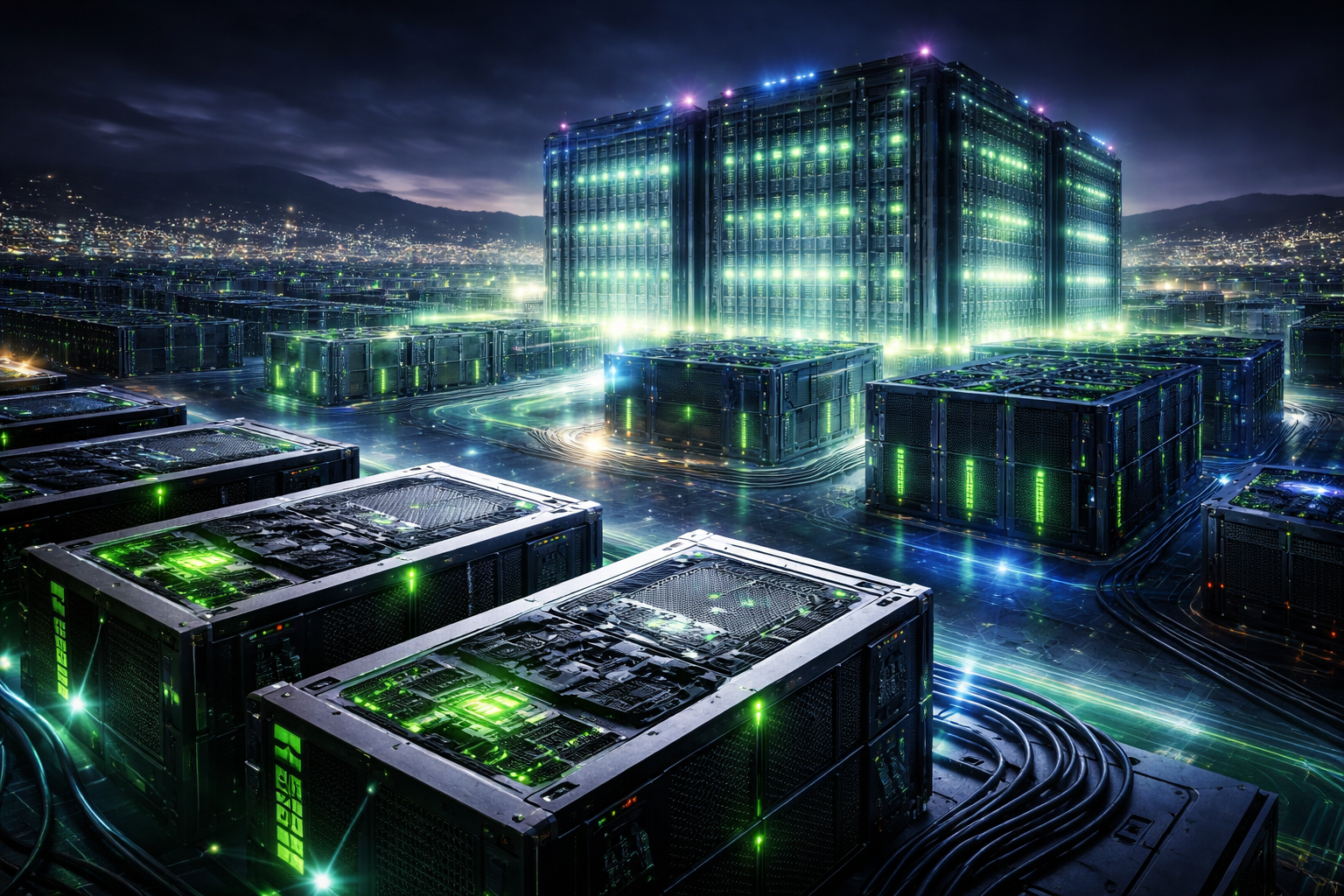
As reported by Reuters, the deal aims to expand large-scale data-center infrastructure powered by Nvidia’s industry-leading GPUs. Nebius plans to scale its AI computing platform dramatically, targeting up to 5 gigawatts of computing capacity by 2030, a level that reflects the unprecedented demand for training and running advanced AI models.
The market reaction was immediate. Shares of Nebius surged following the announcement, while investors interpreted Nvidia’s move as another signal that the AI infrastructure spending boom is far from slowing down.
For investors, the deal highlights an increasingly clear theme: the next phase of the AI revolution will be defined not just by software models—but by the massive physical infrastructure required to run them.
AI Infrastructure Is Becoming the New Tech Arms Race
Over the past two years, artificial intelligence has transformed from a niche technological advancement into one of the most important investment themes in global markets.
Companies ranging from cloud giants to startups are racing to build the infrastructure required to support AI training, inference, and deployment. That includes specialized graphics processors, advanced memory chips, high-capacity data centers, and massive energy resources to power them.
At the center of that ecosystem is Nvidia.
The company’s GPUs have become the gold standard for AI computing, powering training workloads for everything from large language models to generative AI platforms used by enterprises and governments worldwide. According to industry estimates cited by research firms such as McKinsey and Gartner, global spending on AI infrastructure could exceed $500 billion annually by the end of the decade.
That scale of investment explains why Nvidia is moving aggressively to support cloud providers capable of deploying massive GPU clusters.
Nebius represents a key piece of that puzzle.
The AI cloud firm specializes in building infrastructure optimized specifically for AI workloads—often referred to as “GPU cloud” or “AI-native cloud” services. Unlike traditional cloud platforms designed for general computing tasks, these specialized environments are engineered to handle the extremely demanding requirements of AI training.
With Nvidia’s backing, Nebius plans to significantly accelerate the deployment of next-generation AI data centers.
Why the Nvidia–Nebius Deal Matters
The $2 billion investment is not just another venture capital move—it represents a strategic effort to expand the global supply of AI computing power.
One of the biggest bottlenecks facing the AI industry today is simply insufficient compute capacity. Major tech companies, research labs, and startups are all competing for access to high-performance GPU clusters.
By investing in Nebius, Nvidia effectively helps scale the infrastructure needed to support its own chips.
Nebius has already been positioning itself as a major AI infrastructure provider, focusing on high-performance computing environments designed for machine learning and generative AI development.
Its ambitious plan to reach 5 gigawatts of AI computing capacity by 2030 reflects the scale of demand expected over the coming years.
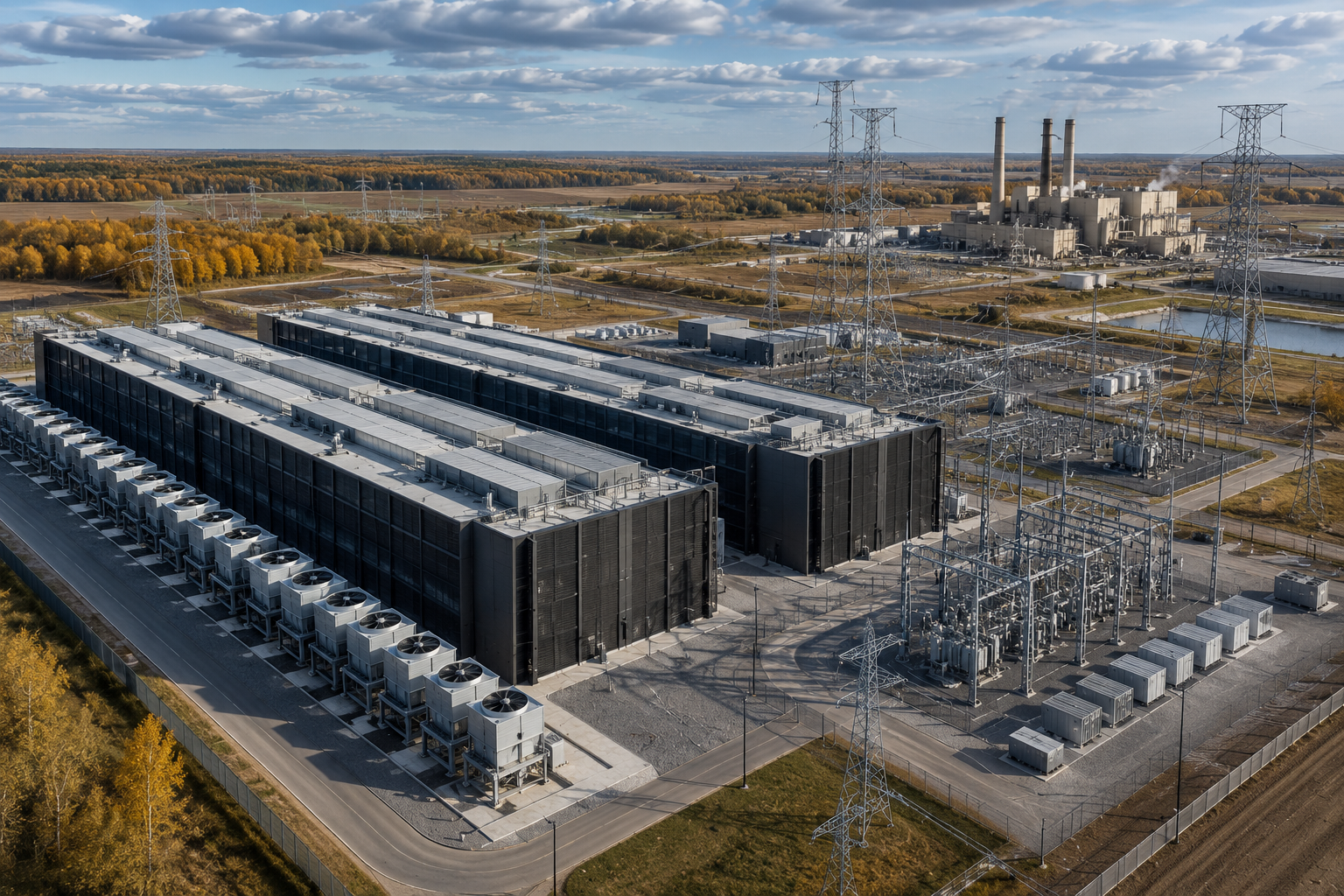
To put that into perspective, many traditional data centers operate at significantly lower power levels. AI computing clusters require enormous amounts of electricity because training large models can involve thousands—or even tens of thousands—of GPUs running simultaneously.
This means AI infrastructure growth will impact several industries simultaneously, including:
- Semiconductor manufacturing
- Cloud computing
- Energy infrastructure
- Advanced cooling systems
- High-speed networking
For investors, this multi-industry ripple effect is creating new opportunities across the technology ecosystem.
The Rise of “Neocloud” AI Providers
Nebius is part of a rapidly emerging category of companies often referred to as “neoclouds.”
These firms focus specifically on delivering AI compute infrastructure rather than traditional cloud services.
While large cloud providers such as Microsoft, Amazon, and Google dominate enterprise cloud computing, neocloud companies are carving out a niche by offering highly specialized AI training environments.
According to industry analysts cited by Bloomberg and Reuters, these providers can sometimes deploy GPU clusters faster than large hyperscale cloud providers due to their narrower operational focus.
Investors have increasingly started to pay attention to this trend.
Several AI infrastructure startups have raised billions of dollars over the past year as venture capital firms and institutional investors look to capitalize on the explosion of demand for AI compute.
The Nvidia investment further legitimizes the sector and suggests that GPU manufacturers see specialized cloud providers as essential partners in scaling the AI economy.
The Power Problem: AI’s Next Major Constraint
While computing power is central to the AI boom, energy availability is emerging as an equally important factor.
Training large AI models consumes enormous amounts of electricity, and the expansion of GPU clusters has already begun to reshape the global energy landscape.
According to reports from the International Energy Agency, data centers could account for a rapidly growing share of global electricity consumption as AI adoption expands.
That reality explains why companies like Nebius are targeting gigawatt-scale computing infrastructure.
For comparison, five gigawatts of computing capacity would require electricity comparable to that consumed by large industrial facilities or even small cities.
This energy demand is driving parallel growth in industries such as:
- Renewable energy projects
- Nuclear power development
- Advanced cooling technologies
- Grid infrastructure upgrades
For investors, the AI boom is therefore not just a semiconductor story—it is also an energy and infrastructure story.
Why Nvidia Continues to Dominate the AI Ecosystem
The Nebius investment also reinforces Nvidia’s dominant position in the AI ecosystem.
Over the past several years, Nvidia has successfully transformed itself from a gaming-focused GPU manufacturer into the central hardware provider for the AI revolution.
Its chips power some of the world’s most advanced AI systems, including models developed by companies like OpenAI and Meta Platforms.
This dominance has translated into extraordinary financial performance.
Nvidia’s revenue growth has surged in recent years as demand for AI chips has far exceeded supply. Analysts at major financial institutions such as Morgan Stanley and Goldman Sachs have repeatedly highlighted the company as one of the biggest beneficiaries of the AI spending cycle.
By investing in companies that expand GPU infrastructure, Nvidia strengthens the entire ecosystem around its technology.
That strategy not only drives demand for its chips but also helps ensure that customers have the capacity needed to deploy AI systems at scale.
Future Trends Investors Should Watch
The Nvidia–Nebius deal highlights several broader trends that investors should monitor closely.
1. Explosive Growth in AI Data Centers
AI data centers are expected to grow significantly over the next decade as enterprises adopt generative AI technologies.
2. Rising Demand for Advanced Chips and Memory
High-bandwidth memory and advanced GPUs are becoming essential components of AI infrastructure.
3. Massive Energy Requirements
Power generation and grid infrastructure will likely become critical bottlenecks for AI expansion.
4. The Emergence of AI-Focused Cloud Providers
Specialized cloud platforms built specifically for AI workloads may capture significant market share in the coming years.
These trends suggest that the AI boom will extend far beyond software applications and into the physical infrastructure supporting the AI economy.
Key Investment Insight
The Nvidia–Nebius investment reinforces one of the most important themes shaping global markets today: AI infrastructure is becoming a multi-trillion-dollar investment cycle.
While software companies often capture headlines, the real economic engine of AI may lie in the hardware and infrastructure required to power it.
Investors should watch companies involved in:
- Semiconductor manufacturing
- AI cloud infrastructure
- Data-center development
- Energy and power generation
- Cooling and networking technologies
As the AI race intensifies, these industries could see sustained growth for years to come.
The AI revolution is still in its early stages, and the rapid expansion of computing infrastructure suggests that the next decade could reshape the technology landscape in profound ways.
For investors looking to stay ahead of the trends driving global markets, MoneyNews.Today will continue delivering timely insights, breaking developments, and in-depth analysis on the industries shaping the future of investing.