Cryptocurrency markets have entered a period of hesitation—one that feels less like a pause and more like a recalibration. After a strong start to the year driven by ETF inflows and institutional momentum, Bitcoin and major altcoins are now trading in tight ranges, reflecting a broader shift in investor sentiment. The conversation across trading desks and financial media has changed: this is no longer just a crypto story—it’s a macro story.
With rising oil prices, persistent inflation concerns, and shifting expectations around U.S. Federal Reserve policy, digital assets are behaving more like traditional risk assets than ever before. For investors, this shift is critical—and potentially defining for the next phase of the crypto cycle.
Macro Forces Take Control of Crypto
The latest data from Investing.com (March 30, 2026) highlights a growing trend: cryptocurrencies are increasingly moving in sync with macroeconomic indicators. Bitcoin’s price action, once driven largely by internal crypto narratives such as halving cycles and adoption trends, is now closely tied to interest rate expectations, liquidity conditions, and global risk sentiment.
This transition has been building for years but is now fully visible.
According to recent market commentary from Bloomberg and Reuters, investors are closely watching upcoming U.S. economic data releases—including employment figures, PMI readings, and inflation metrics—as key drivers not only for equities but also for crypto markets. When yields rise or inflation surprises to the upside, crypto tends to weaken alongside tech stocks.
At the center of this dynamic is the Federal Reserve. Markets are currently pricing in uncertainty around the timing and pace of future rate cuts. Higher-for-longer interest rates reduce liquidity and make risk assets less attractive, directly impacting crypto demand.
In simple terms:
👉 When liquidity tightens, crypto struggles.
👉 When liquidity expands, crypto thrives.
Energy Prices Add a New Layer of Pressure
One of the more underappreciated drivers of recent crypto weakness is the surge in global energy prices.
Oil markets have been volatile in recent weeks, with geopolitical tensions and supply concerns pushing prices higher. This has two direct implications for crypto:
- Mining Costs Increase:
Bitcoin mining remains energy-intensive. Rising electricity costs compress margins for miners, potentially leading to reduced network expansion or forced selling of mined BTC. - Inflationary Pressure Builds:
Higher energy prices feed into broader inflation, making it more difficult for central banks to ease monetary policy. This prolongs the “higher-for-longer” rate environment that weighs on crypto.
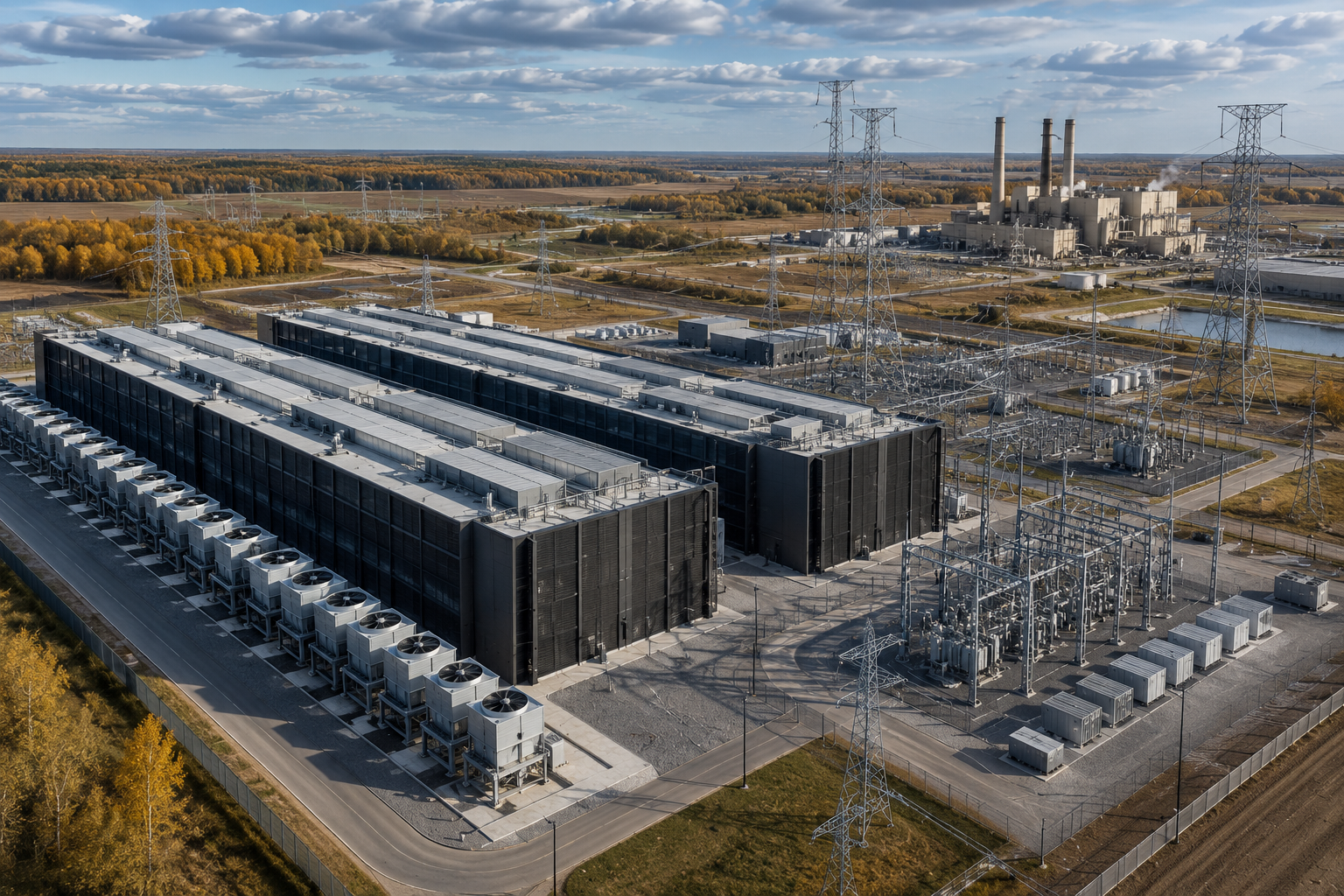
Research from the International Energy Agency (IEA) and coverage from Financial Times suggest that energy demand is also rising structurally due to AI data centers—creating competition for power resources. This adds another layer of complexity to crypto’s cost structure.
For investors, this means energy is no longer just a commodity story—it’s now indirectly shaping crypto market dynamics.
Policy Uncertainty Clouds the Outlook
Beyond macroeconomics, regulatory uncertainty remains a key overhang for the crypto market.
In the United States, policymakers continue to debate the future of crypto regulation, including stablecoin frameworks, exchange oversight, and taxation policies. Recent reporting from Reuters indicates that the White House is actively working toward broader financial and AI-related regulatory frameworks, which could spill over into digital assets.
While regulation is often viewed as a long-term positive—bringing clarity and institutional confidence—the near-term effect is uncertainty.
Institutional investors, who played a major role in crypto’s recent rally, are particularly sensitive to regulatory risk. Without clear guidelines, capital deployment tends to slow.
This creates a paradox:
- More regulation = long-term growth potential
- But short-term uncertainty = reduced market activity
Why This Matters for Investors
The current market environment signals a fundamental shift in how crypto should be analyzed.
Gone are the days when crypto could be evaluated in isolation. Today, it sits at the intersection of:
- Monetary policy
- Global liquidity cycles
- Energy markets
- Geopolitics
This has several important implications:
1. Crypto Is Now a Macro Asset
Bitcoin is increasingly behaving like a high-beta version of tech stocks. Correlation with indices like the Nasdaq has strengthened, particularly during periods of macro stress.
2. Volatility Is Becoming Event-Driven
Major price moves are now tied to:
- Federal Reserve announcements
- Inflation data releases
- Geopolitical developments
This creates both risk and opportunity for active investors.
3. Institutional Influence Is Growing
The rise of Bitcoin ETFs and institutional participation has brought more stability—but also more sensitivity to traditional financial conditions.
According to Bloomberg Intelligence, institutional flows now account for a significant portion of crypto market activity, reinforcing its integration into the broader financial system.
Future Trends to Watch
As markets navigate this uncertain phase, several key trends will determine the next directional move for crypto:
🔹 Federal Reserve Policy Pivot
The single biggest catalyst remains a shift in Fed policy. A clear signal toward rate cuts or liquidity expansion could reignite risk appetite and trigger a crypto rally.
🔹 Oil and Energy Markets
If energy prices continue to rise, inflation pressures may persist, delaying monetary easing. Conversely, stabilization in oil markets could ease macro concerns.
🔹 Regulatory Clarity
Progress on U.S. crypto legislation—particularly around stablecoins and exchanges—could unlock new institutional capital flows.
🔹 ETF Flows and Institutional Demand
Tracking inflows into Bitcoin ETFs will provide real-time insight into investor sentiment. Sustained inflows could act as a stabilizing force even in volatile conditions.
🔹 AI and Infrastructure Demand
An emerging wildcard is the competition for energy between crypto mining and AI data centers. This could reshape cost dynamics and capital allocation across both industries.
Actionable Takeaways for Investors
In this environment, a passive approach may not be enough. Investors need to think strategically and adapt to the new macro-driven reality of crypto.
Here are key considerations:
- Monitor Macro Indicators Closely:
Track U.S. inflation data, interest rate expectations, and liquidity conditions. These are now primary drivers of crypto performance. - Watch for Policy Signals:
Statements from the Federal Reserve and U.S. regulators can trigger sharp market movements. - Look for Accumulation Opportunities:
Range-bound markets often precede major breakouts. Periods of low volatility can offer strategic entry points for long-term investors. - Diversify Exposure:
Consider balancing crypto holdings with assets that benefit from the same macro trends, such as energy or commodities. - Stay Selective:
Focus on high-quality assets with strong institutional backing and clear use cases, as weaker projects may struggle in tighter liquidity conditions.
Crypto markets are no longer operating in a vacuum. They are deeply embedded in the global financial system—reacting to the same forces that drive equities, bonds, and commodities.
This shift may reduce some of crypto’s independence, but it also marks a new phase of maturity—one where digital assets are recognized as a legitimate component of the broader investment landscape.
For investors, the message is clear: understanding macroeconomics is no longer optional—it’s essential.
Stay ahead of the curve with MoneyNews.Today, your trusted source for daily investor insights, market trends, and actionable analysis across crypto, AI, and global markets.