Markets don’t wait for certainty—they react to signals. And right now, one signal is cutting through global noise: a potential diplomatic breakthrough between the United States and Iran.
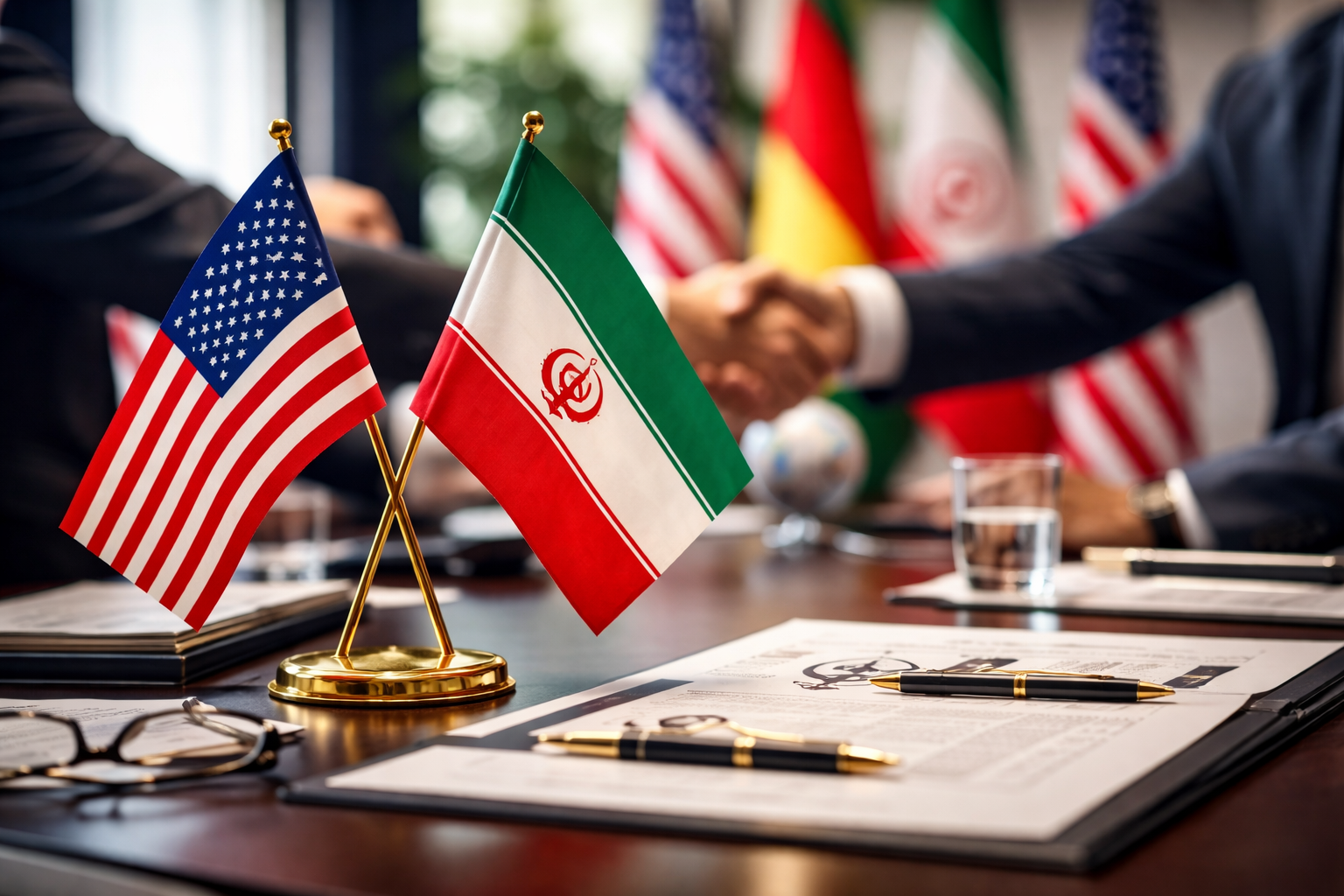
A proposed ceasefire framework—reportedly mediated by multiple countries—is beginning to shift investor sentiment, lifting North American equities and easing volatility across key asset classes. According to Reuters and Investopedia (April 6, 2026), the possibility of de-escalation in one of the world’s most sensitive geopolitical flashpoints is prompting a cautious return to risk assets.
But beneath the optimism lies a fragile reality. The proposal remains tentative, tensions are unresolved, and the threat of escalation still lingers. For investors, this creates a market environment where headlines—not fundamentals—are driving direction.
A Diplomatic Shift with Immediate Market Impact
The reaction across financial markets has been swift.
- Equities are rising, particularly in North American markets
- Oil prices are stabilizing or pulling back, reflecting reduced supply fears
- Gold is easing slightly, as safe-haven demand softens
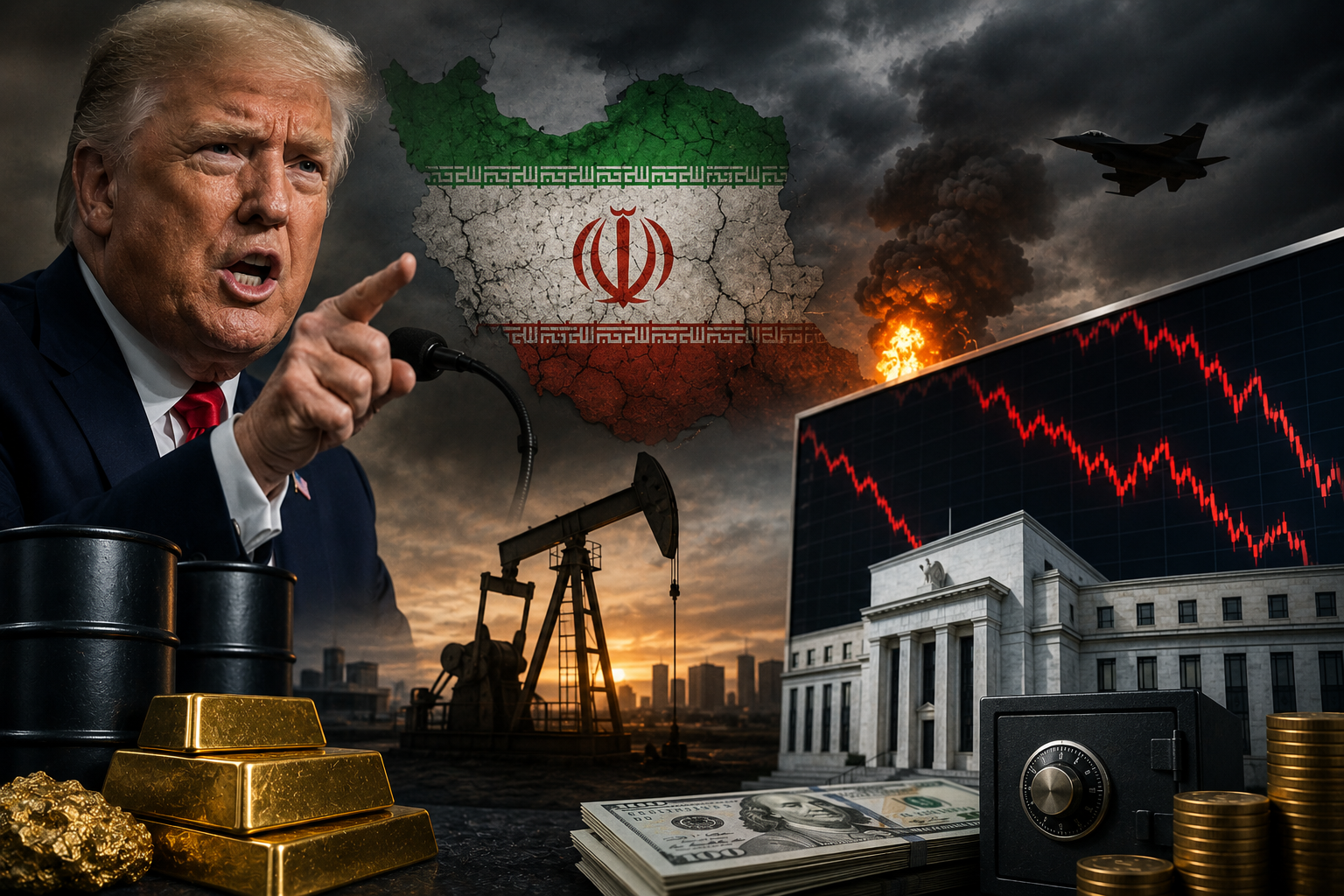
This coordinated move highlights how deeply interconnected geopolitics and markets have become.
According to Bloomberg Markets, even preliminary diplomatic signals can trigger significant capital flows, especially in an environment already dominated by macro uncertainty.
The U.S.–Iran dynamic is particularly influential because it sits at the center of global energy markets. Any shift—whether toward conflict or cooperation—has immediate implications for oil supply, inflation expectations, and broader economic stability.
Why This Matters for Investors
The proposed peace framework is not just a geopolitical development—it’s a market catalyst.
In the current environment, geopolitical headlines are acting as primary drivers of short-term market direction, often overshadowing traditional factors like earnings or economic data.
This has several key implications:
- Markets can rally quickly on positive news, even without fundamental changes
- Risk assets are highly sensitive to headline risk
- Volatility can increase as narratives shift rapidly
According to Morgan Stanley, periods dominated by geopolitical developments often lead to shorter market cycles, where sentiment can reverse within days or even hours.
For investors, this means agility is essential—but so is discipline.
Oil Markets: The First to React
Oil remains the most immediate barometer of U.S.–Iran relations.
Recent weeks have seen prices spike on fears of supply disruptions tied to Middle East tensions. However, the emergence of a potential ceasefire framework is now:
- Reducing the geopolitical risk premium
- Easing concerns about supply interruptions
- Stabilizing energy markets
According to Reuters, traders are already adjusting positions, with futures markets reflecting a lower probability of near-term disruption.
But the situation remains fluid.
Even a minor escalation—or a breakdown in negotiations—could quickly reverse this trend, pushing oil prices sharply higher.
For energy investors, this creates a high-risk, high-reward environment, where timing and positioning are critical.
Equities: Risk Appetite Returns—Cautiously
Equity markets, particularly in North America, are responding positively to the prospect of de-escalation.
Key drivers include:
- Reduced inflation expectations (via lower oil prices)
- Improved global stability outlook
- Renewed risk appetite among institutional investors
According to Investopedia, sectors that had been under pressure due to geopolitical concerns—such as consumer discretionary and technology—are seeing renewed interest.
However, the rally is not broad-based.
Investors remain cautious, with many viewing the current move as a relief rally rather than a structural shift.
As noted by Goldman Sachs, “Markets are pricing in a best-case scenario—but not fully committing to it.”
Gold and Safe Havens: A Temporary Retreat
As risk sentiment improves, safe-haven assets like gold are experiencing a modest pullback.
This is consistent with historical patterns:
- Gold rises during uncertainty
- Gold retreats when tensions ease
However, the decline has been limited—suggesting that investors are not fully convinced that risks have dissipated.
According to the World Gold Council, safe-haven demand remains elevated compared to historical averages, indicating that underlying uncertainty persists.
This dual dynamic—rising equities alongside resilient gold—reflects a market that is optimistic, but not confident.
The Fragility of Peace: Risks Remain Elevated
While the proposed framework is encouraging, several risks remain:
1. Lack of Formal Agreement
The ceasefire proposal is still in early stages, with no binding commitments.
2. Ongoing Tensions
Military posturing and political rhetoric continue, underscoring the fragile nature of the situation.
3. Regional Complexity
The involvement of multiple countries adds layers of complexity, increasing the risk of misalignment or breakdown.
4. Market Overreaction
Markets may be pricing in a resolution too quickly, leaving them vulnerable to disappointment.
According to Reuters, diplomatic efforts are ongoing, but officials caution that significant hurdles remain before any agreement can be finalized.
For investors, this means the current optimism must be balanced with realism.
Future Trends to Watch
As the situation evolves, several key indicators will shape market direction:
1. Diplomatic Progress
Updates on negotiations, official statements, and international involvement will be critical.
2. Oil Price Movements
Oil will remain the fastest-moving indicator of market sentiment related to the conflict.
3. Equity Market Breadth
A broader rally would signal increasing confidence, while narrow gains suggest caution.
4. Safe-Haven Demand
Sustained demand for gold or U.S. Treasuries would indicate lingering risk concerns.
5. Central Bank Responses
Any impact on inflation expectations could influence monetary policy decisions.
According to Bloomberg Economics, geopolitical developments are now a central input in macro forecasting, further reinforcing their importance for investors.
Credible Signals Supporting the Shift
Multiple sources confirm the market’s reaction to the proposed peace framework:
- Reuters (April 6, 2026) reports improving investor sentiment tied to diplomatic developments
- Investopedia highlights gains in North American equities
- Bloomberg Markets notes the rapid impact of geopolitical signals on capital flows
- Morgan Stanley emphasizes increased volatility in headline-driven markets
- Goldman Sachs points to cautious optimism among institutional investors
Together, these insights paint a clear picture:
Geopolitics is currently the dominant force shaping market behavior.
Key Investment Insight
In a headline-driven market, strategy must adapt.
Investors should consider the following approach:
- Stay diversified: Avoid overexposure to any single outcome
- Monitor real-time developments: Geopolitical news can shift markets بسرعة
- Use volatility strategically: Short-term swings can create tactical opportunities
- Balance risk and defense: Combine growth assets with hedges like gold or defensive sectors
The key is not to predict outcomes—but to prepare for multiple scenarios.
A Market Defined by Headlines, Not Certainty
The proposed U.S.–Iran peace framework is a powerful reminder of how quickly market narratives can change.
Optimism can drive rallies.
Uncertainty can trigger reversals.
And in today’s environment, both can happen within days.
For investors, success depends on understanding not just the headlines—but their implications across asset classes.
Stay ahead of global developments and market-moving insights with MoneyNews.Today—your trusted source for daily investor analysis, geopolitical intelligence, and actionable market strategies.