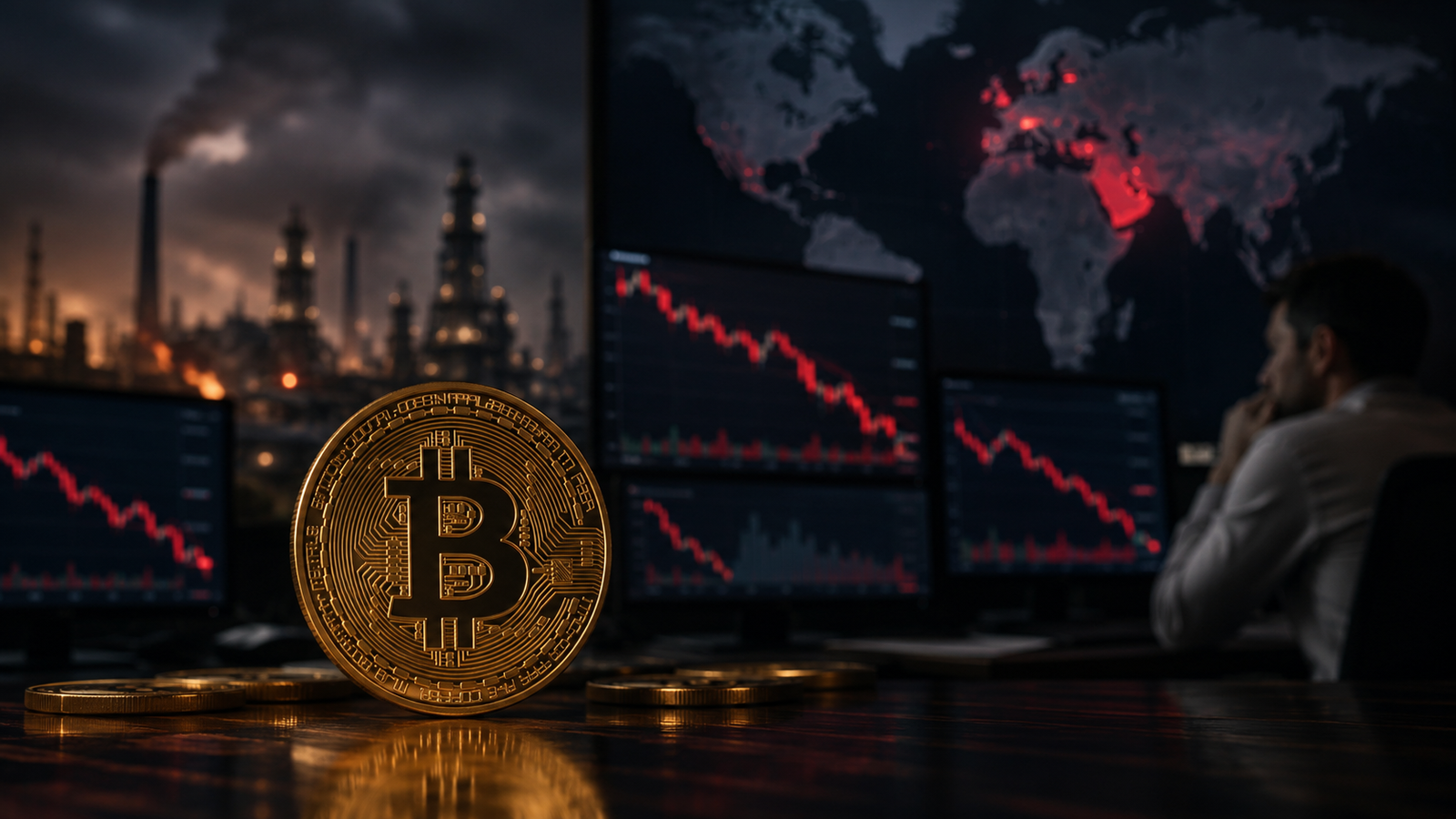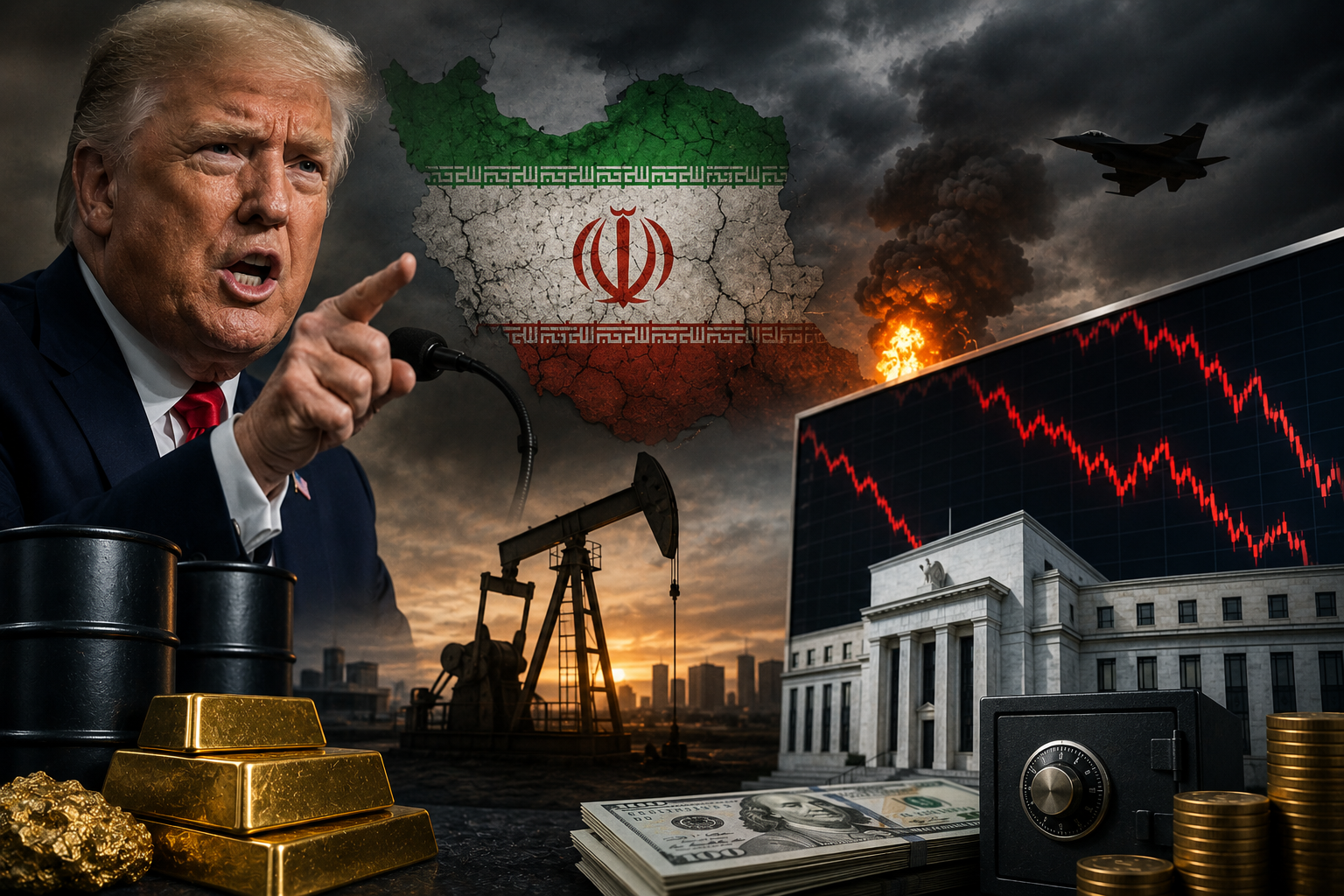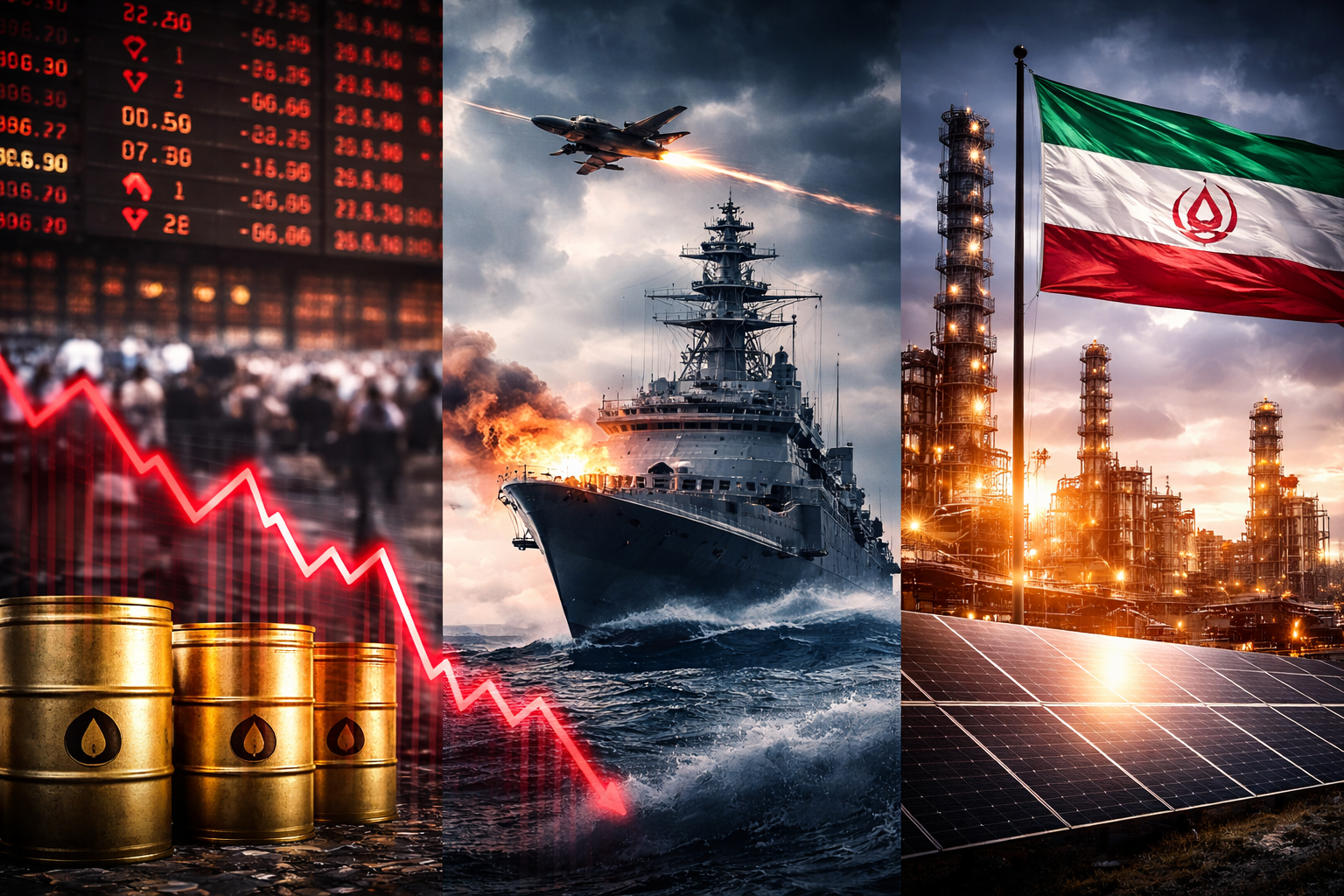
Global markets are entering a more fragile phase just as investors were growing comfortable with record highs. A sudden escalation in geopolitical tensions between the United States and Iran—triggered by the seizure of an Iranian-linked vessel—has injected fresh uncertainty into financial markets, sending a clear signal: macro risk is back at the forefront of investor decision-making.
U.S. and Canadian equity futures slipped in early trading, while oil prices surged sharply, reflecting fears of supply disruption in one of the world’s most critical energy corridors. According to reporting from Reuters and analysis from Investopedia, markets are now caught between two powerful forces—strong corporate earnings and rising geopolitical instability.
A Market at a Crossroads
For much of 2026, equity markets have been supported by resilient economic data, easing inflation concerns, and strong earnings—particularly from technology and AI-driven companies. However, the latest developments in the Middle East are challenging that momentum.
Geopolitical tensions have historically acted as short-term shocks with long-term ripple effects, particularly in energy markets and global trade. The current situation is no exception.
Key immediate reactions include:
- A spike in crude oil prices amid fears of supply disruption
- Declines in stock futures across North American markets
- Increased demand for defensive assets and sectors
This shift highlights a broader reality: markets are no longer driven solely by economic fundamentals. Geopolitical developments are once again shaping investor sentiment in real time.
Oil Prices Surge: The First Warning Signal
Energy markets were the first to react.
Oil prices surged following the escalation, with traders pricing in potential disruptions to supply routes in the Middle East. This region remains a critical hub for global energy production, and any instability can quickly translate into higher costs across the global economy.
Rising oil prices have several implications:
- Increased inflationary pressure, particularly in transportation and manufacturing
- Potential delays in central bank rate cuts
- Sector rotation into energy stocks
Historically, sustained increases in oil prices have acted as a tax on economic growth, reducing consumer spending and corporate margins. This creates a complex environment for equity markets, particularly if higher energy costs persist.
Equity Markets React: From Optimism to Caution
The pullback in U.S. and Canadian futures reflects a broader shift in investor psychology. After months of bullish momentum, markets are now reassessing risk exposure.
This doesn’t necessarily signal a bearish trend—but it does indicate a transition from risk-on to risk-aware.
Several dynamics are at play:
Earnings Strength vs. External Shocks
Corporate earnings remain strong, particularly in sectors like technology and AI. However, external shocks such as geopolitical tensions can overshadow fundamentals in the short term.
Valuation Sensitivity
With major indices trading near highs, valuations leave little room for unexpected risks. This makes markets more sensitive to negative news.
Increased Volatility
Periods of geopolitical uncertainty often lead to heightened volatility, creating both risks and opportunities for investors.
Defense and Energy Stocks Gain Attention
While broader markets face pressure, certain sectors are emerging as beneficiaries of the current environment.
Energy Sector
Rising oil prices are boosting the outlook for energy companies, particularly those involved in exploration and production. Higher commodity prices typically translate into improved revenue and profitability for these firms.
Defense Sector
Geopolitical tensions tend to increase government spending on defense and security. Companies like Lockheed Martin and Northrop Grumman are often seen as defensive plays during periods of global instability.
This sector rotation underscores an important principle: market volatility does not eliminate opportunity—it redistributes it.
Why This Matters for Investors
The current market environment represents a classic tension between fundamentals and macro risk.
1. Markets Are Becoming More Fragile
Strong earnings have supported valuations, but geopolitical risks are exposing vulnerabilities. This creates a more delicate balance for equities.
2. Macro Is Back in Control
After a period dominated by corporate performance and AI-driven growth, macro factors such as geopolitics and energy prices are regaining influence.
3. Volatility Is Likely to Persist
Uncertainty around the U.S.–Iran situation suggests that volatility may remain elevated in the near term.
4. Sector Rotation Is Accelerating
Investors are beginning to shift capital toward sectors that benefit from or are resilient to geopolitical instability.
Future Trends to Watch
As the situation develops, several key trends will be critical for investors:
Escalation or De-escalation
The trajectory of U.S.–Iran relations will be the primary driver of market sentiment. Any signs of escalation could amplify volatility, while diplomatic progress may stabilize markets.
Oil Price Trajectory
Sustained increases in oil prices could have broader economic implications, including inflation and central bank policy decisions.
Central Bank Response
Higher energy costs could complicate the outlook for interest rates, particularly if inflationary pressures re-emerge.
Earnings Resilience
Upcoming earnings reports will be closely watched to assess whether corporate performance can offset macro risks.
Key Investment Insight
Markets are entering a phase where discipline and diversification are critical.
Investors should consider:
- Maintaining exposure to high-quality equities with strong fundamentals
- Increasing allocation to sectors that benefit from current conditions, such as energy and defense
- Monitoring macro developments closely, particularly geopolitical events and oil prices
- Avoiding overexposure to highly valued sectors that may be more sensitive to volatility
This is not necessarily a time to exit the market—but it is a time to reassess risk and position portfolios strategically.
The most successful investors in this environment will be those who can balance long-term conviction with short-term adaptability.
Global markets are once again being shaped by forces beyond balance sheets and earnings reports. As geopolitical tensions rise, the interplay between macro risk and market fundamentals will define the next phase of the investment landscape.
Stay informed with MoneyNews.Today, your trusted source for timely, actionable insights that help you navigate an increasingly complex global market.