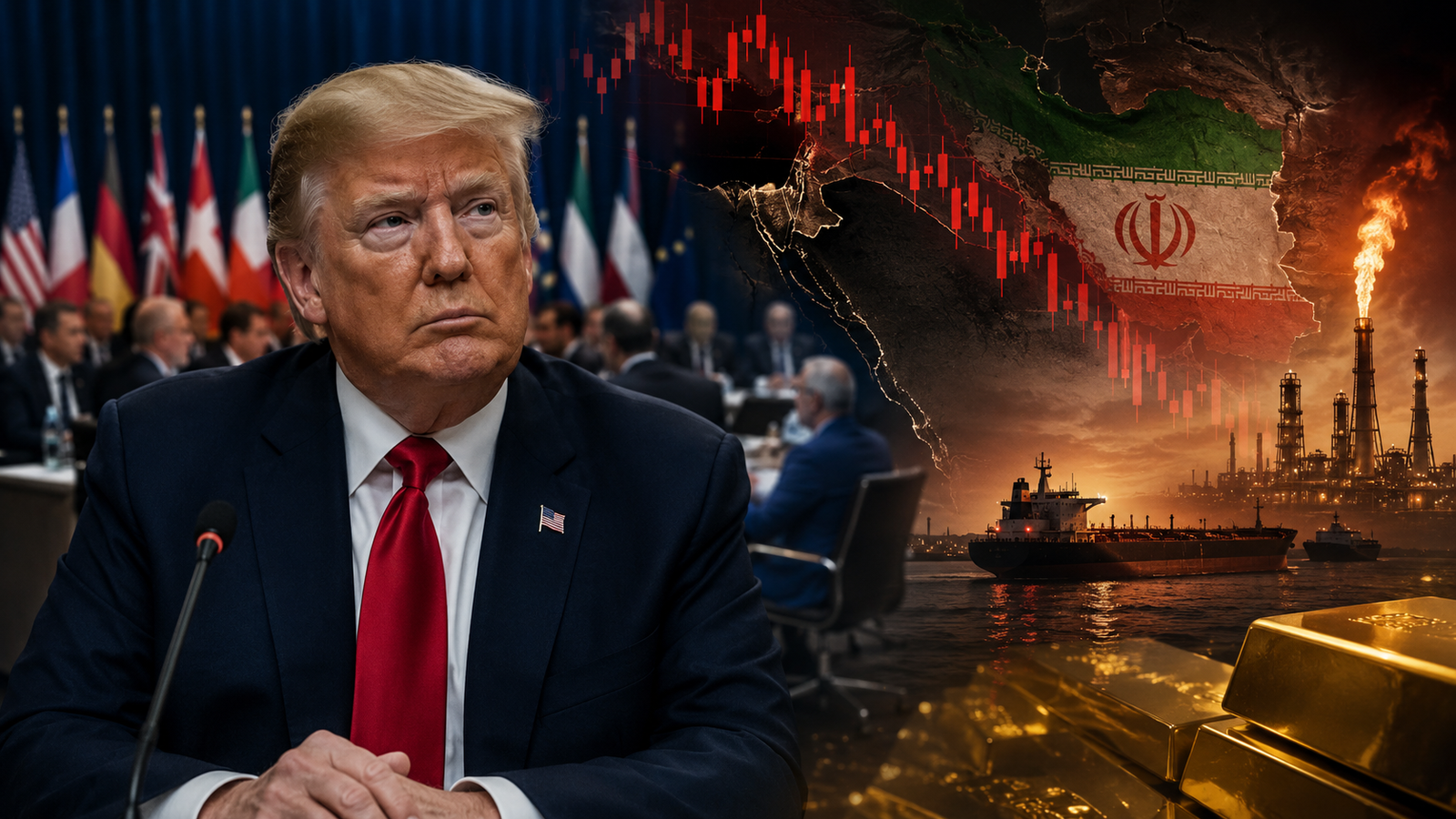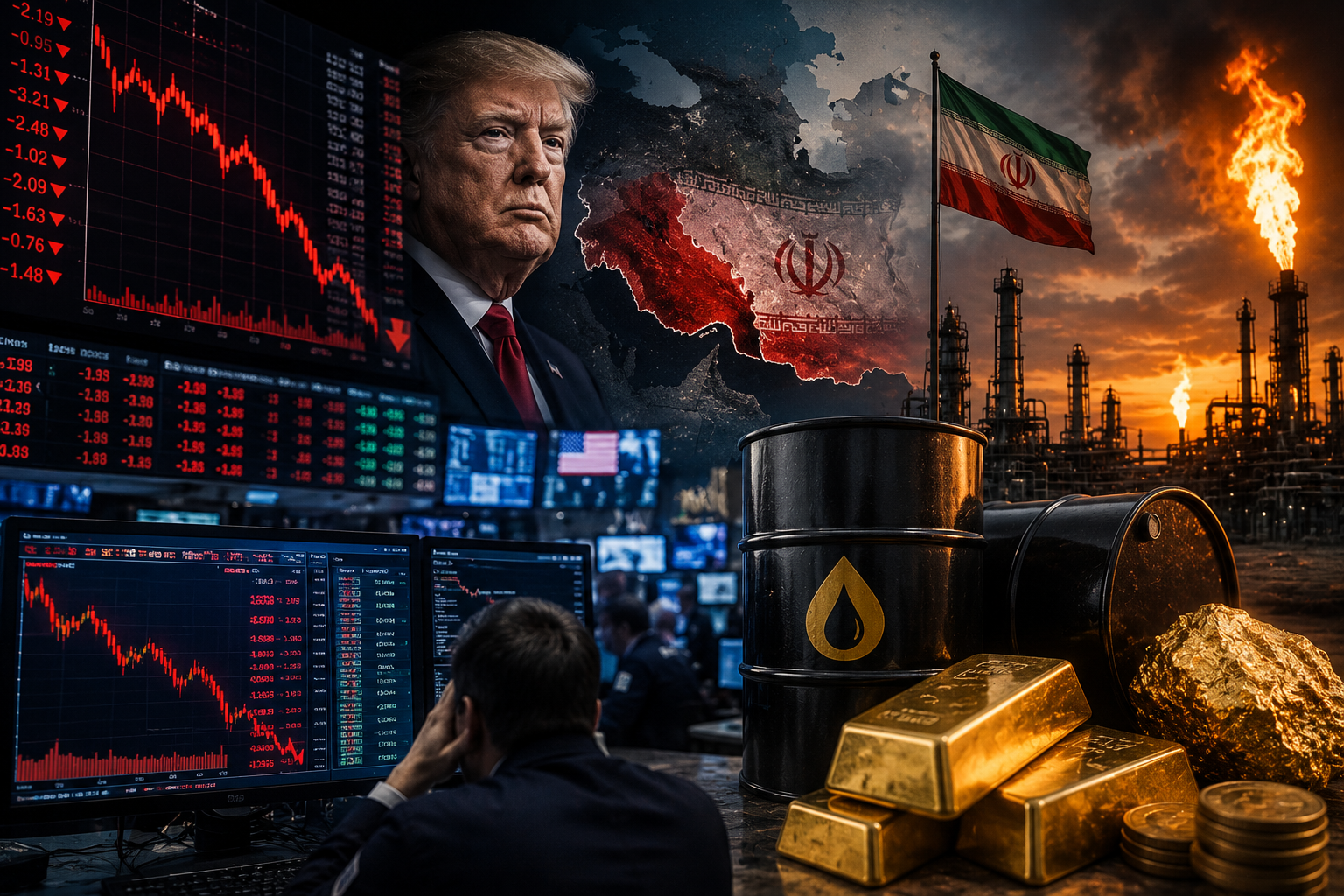
A sudden shift in global risk sentiment is once again reminding investors how quickly markets can pivot. Just as optimism around easing inflation and potential rate cuts began to stabilize equities, geopolitical tensions in the Middle East have reintroduced volatility into the equation. U.S. stock futures slipped today while oil prices surged more than 3%, following reports involving a U.S. warship in the Strait of Hormuz, according to Reuters and Investopedia (May 4, 2026).
This isn’t just another headline—it’s a narrative shift. Markets that were previously driven by monetary policy expectations are now being pulled back into the orbit of geopolitics and energy risk. For investors, that changes everything.
A Fragile Market Meets a Geopolitical Shock
In recent weeks, equity markets had been attempting to find footing amid mixed economic data and uncertainty around central bank policy. However, geopolitical developments have disrupted that fragile balance.
The Strait of Hormuz is one of the world’s most critical oil chokepoints, responsible for a significant portion of global crude supply. Any disruption—or even the perception of risk—can trigger immediate price reactions in energy markets.
That’s exactly what unfolded today:
- Oil prices jumped sharply
- Equity futures declined
- Volatility expectations increased
According to reporting from Reuters, the situation remains fluid, with conflicting accounts adding to uncertainty. For markets, uncertainty itself is often enough to trigger defensive positioning.
Why Oil Prices Matter More Than Ever
Oil is not just another commodity—it’s a macro driver with far-reaching implications.
When oil prices rise rapidly, the effects cascade across the economy:
- Transportation and production costs increase
- Inflationary pressures build
- Consumer spending power may weaken
- Central banks face additional policy challenges
Data referenced by Bloomberg shows that energy price spikes have historically played a key role in shaping inflation expectations. In the current environment, where inflation remains a central concern, this dynamic becomes even more significant.
For the Federal Reserve, rising oil prices complicate the outlook. If inflation pressures persist, the timeline for potential rate cuts could be pushed further out—a scenario that markets are highly sensitive to.
Why This Matters for Investors
The return of geopolitical risk as a primary market driver has several important implications:
1. Narrative Shift: From Rates to Risk
Markets had been largely focused on interest rates and economic data. Now, geopolitical developments are taking center stage. This shift can lead to rapid changes in asset allocation and market sentiment.
2. Increased Volatility
Geopolitical events tend to introduce sudden and unpredictable market movements. Investors should expect higher volatility in the near term, particularly across equities and commodities.
3. Sector Rotation
As risk sentiment changes, capital often rotates into specific sectors that benefit from the new environment.
Sector Winners and Losers
Market rotations are already beginning to take shape.
Energy Sector Gains Momentum
Rising oil prices typically benefit energy companies, particularly those involved in exploration and production. Higher prices can lead to increased revenues and improved margins.
Defense Stocks in Focus
Geopolitical tensions often drive increased attention toward defense spending. Companies in this sector may see renewed investor interest.
Pressure on Growth Stocks
Higher inflation expectations and interest rate uncertainty can weigh on growth-oriented sectors, particularly technology stocks with higher valuations.
Safe-Haven Assets Attract Flows
Assets such as gold and government bonds may see increased demand as investors seek stability.
The Strait of Hormuz: A Strategic Flashpoint
Understanding the importance of the Strait of Hormuz is critical for investors.
This narrow waterway connects the Persian Gulf to global markets and handles a substantial portion of the world’s oil exports. Even minor disruptions can have outsized effects on supply chains and pricing.
According to data from global energy agencies cited by Bloomberg, approximately 20% of the world’s Oil supply passes through this route. That makes it one of the most strategically sensitive points in the global economy.
For investors, this means that developments in this region should be closely monitored—not just for immediate market reactions, but for longer-term implications.
Future Trends to Watch
The current situation highlights several trends that are likely to shape markets in the coming months:
1. Persistent Geopolitical Risk
Geopolitical tensions are unlikely to disappear quickly. Investors should prepare for ongoing uncertainty and potential escalation.
2. Inflation Sensitivity
Energy prices will remain a key factor influencing inflation expectations and central bank policy decisions.
3. Market Fragmentation
Different sectors may respond differently to evolving conditions, creating opportunities for selective investing.
4. Policy Responses
Governments and central banks may adjust their strategies in response to changing conditions, adding another layer of complexity.
Key Investment Insight
The market is entering a phase where macro forces are becoming increasingly interconnected. Geopolitics, energy prices, and monetary policy are no longer separate narratives—they are influencing each other in real time.
Actionable Takeaways:
- Monitor oil prices as a leading indicator of broader market direction
- Consider exposure to energy and defense sectors as potential hedges
- Be cautious with high-valuation growth stocks in a rising inflation environment
- Maintain diversification to manage volatility
In this environment, flexibility and awareness of macro dynamics are critical. Investors who can adapt to changing conditions will be better positioned to navigate uncertainty.
The Bigger Picture
Today’s market reaction is a reminder that global events can quickly reshape financial landscapes. While long-term trends such as AI and technological innovation remain intact, short-term drivers like geopolitics can significantly influence market performance.
For investors, the challenge—and opportunity—lies in balancing these forces. Understanding how they interact is key to making informed decisions.
Stay informed with MoneyNews.Today for daily market insights, real-time analysis, and investor-focused coverage of the trends shaping global markets.