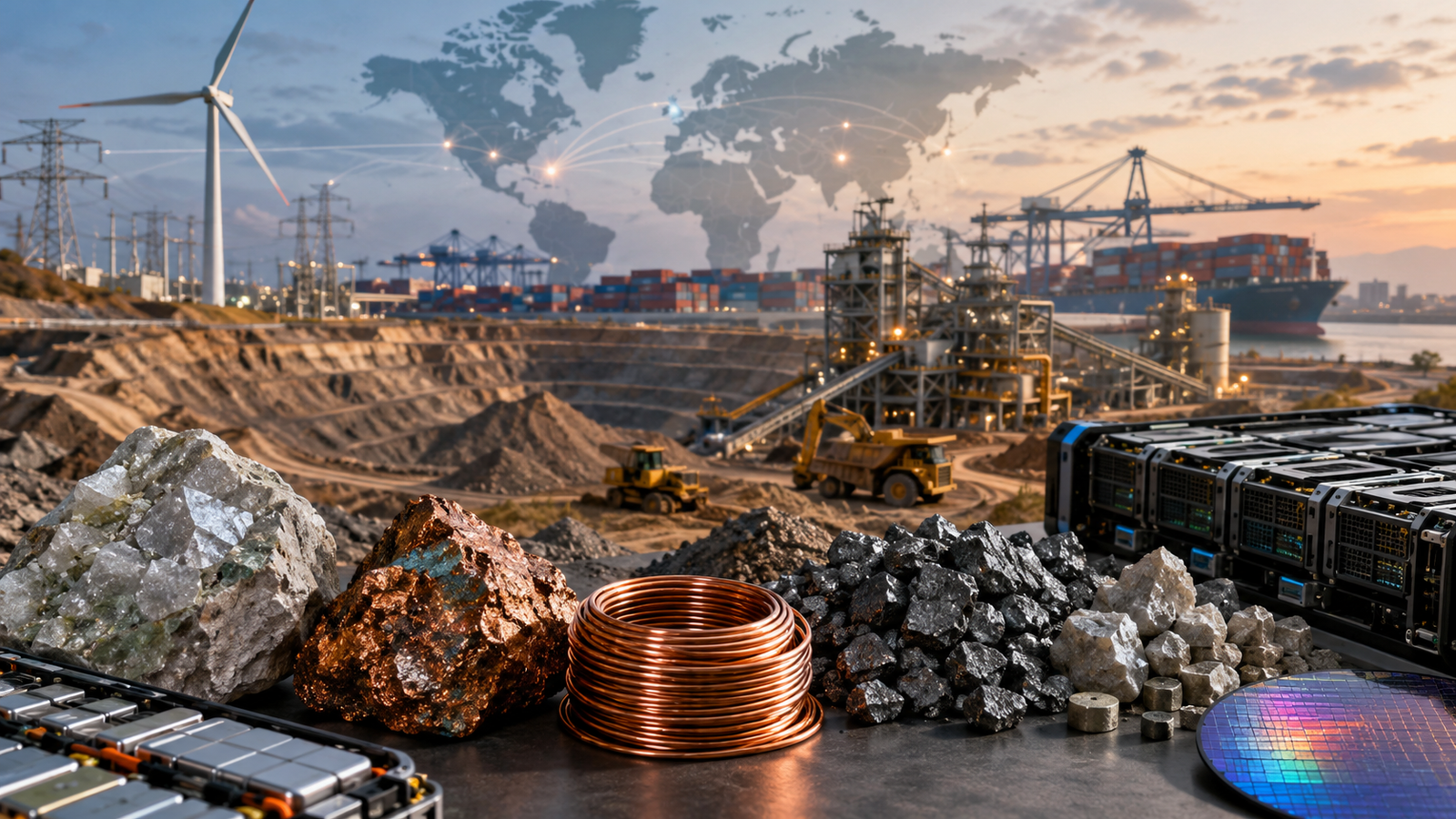
The global competition for artificial intelligence leadership, clean energy dominance, and national security preparedness increasingly comes down to one thing: critical minerals.
While investors have spent much of the past two years focused on AI chips, cloud computing infrastructure, and semiconductor manufacturers, a growing number of policymakers and institutional investors are turning their attention further down the supply chain. The reason is simple. None of the technologies driving the modern economy—from AI servers and electric vehicles to defense systems and renewable energy infrastructure—can be built without reliable access to strategic minerals.
That reality moved back into focus on June 23 when Reuters reported that the Orion Critical Mineral Consortium is engaged in advanced negotiations for three new Asian partnerships that could support a $20 billion pipeline of critical mineral projects. The initiative comes as G7 nations continue implementing strategies designed to reduce dependence on China for key raw materials including lithium, copper, graphite, rare earth elements, and other strategic resources.
For investors, the story is about far more than mining. It is about the emergence of critical minerals as one of the most important geopolitical and investment themes of the decade.
The Strategic Resource Race Is Accelerating
For years, China has maintained a dominant position across numerous critical mineral supply chains.
According to data from the International Energy Agency (IEA), China controls significant portions of global processing capacity for rare earth elements, lithium chemicals, graphite, and other strategic materials essential for advanced manufacturing. While many raw materials are mined across multiple countries, processing and refining capabilities have become heavily concentrated in China.
This concentration has become a growing concern for Western governments.
The COVID-era supply chain disruptions, geopolitical tensions, trade disputes, and increasing competition for advanced technologies have exposed vulnerabilities that policymakers are now attempting to address.
As a result, governments across the United States, Canada, Australia, Europe, Japan, and South Korea have launched initiatives aimed at building alternative supply chains.
The latest Orion Critical Mineral Consortium discussions reflect this broader effort. By supporting projects across allied nations and strengthening international partnerships, governments and private-sector participants hope to create more resilient supply networks capable of supporting future economic growth and national security priorities.
For investors, these developments are creating a structural demand story that could extend for years.
Why Critical Minerals Matter More Than Ever
The demand drivers behind critical minerals are becoming increasingly powerful.
Artificial intelligence has emerged as one of the largest new sources of demand.
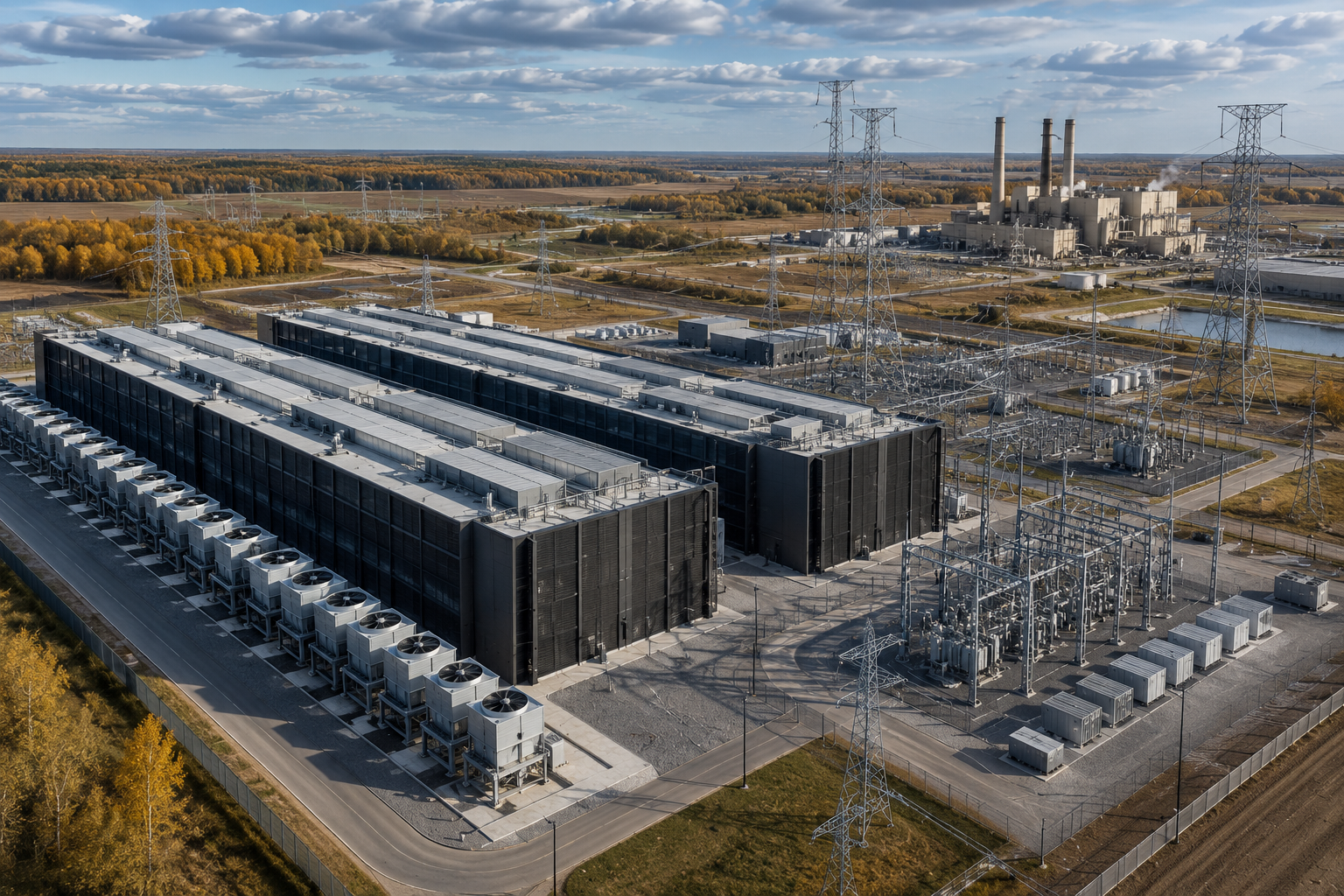
AI data centers require vast quantities of copper for electrical systems, power distribution networks, and cooling infrastructure. Semiconductor manufacturing depends on specialized materials and rare earth elements used throughout the electronics supply chain.
At the same time, electrification trends continue expanding.
Electric vehicles require significantly more mineral inputs than traditional internal combustion vehicles. According to the IEA, EV batteries rely heavily on lithium, nickel, graphite, cobalt, and manganese, while charging infrastructure and power grids consume substantial amounts of copper.
Defense spending is adding another layer of demand.
Modern military systems, aerospace technologies, communications networks, and advanced weapons platforms increasingly rely on strategic minerals and rare earth elements. As geopolitical tensions persist across multiple regions, governments are placing greater emphasis on securing domestic and allied sources of supply.
Taken together, these trends are transforming critical minerals from a niche commodity story into a cornerstone of industrial policy and economic strategy.
The G7 Push to Diversify Supply Chains
One of the most important developments for investors has been the growing coordination among G7 nations.
Over the past several years, leaders from the United States, Canada, Japan, Germany, France, Italy, and the United Kingdom have repeatedly emphasized the need to diversify critical mineral supply chains.
Recent G7 initiatives have focused on:
- Supporting new mining and refining projects.
- Expanding investment in allied jurisdictions.
- Accelerating permitting and project approvals.
- Encouraging public-private partnerships.
- Strengthening mineral processing capabilities outside China.
- Developing strategic stockpiles of key resources.
According to government announcements and industry reports, billions of dollars are being directed toward these efforts.
This policy support could significantly reduce development risks for qualifying projects while improving access to financing and long-term customer agreements.
For mining companies operating in politically stable jurisdictions, the implications are substantial.
Projects that may have struggled to attract investment in previous years are increasingly viewed as strategically important assets.
Beyond Mining: The New Investment Opportunity
Many investors still associate critical minerals solely with resource extraction.
However, the investment opportunity has expanded considerably.
The real value increasingly lies across the entire supply chain.
This includes:
Mineral Developers
Companies advancing new copper, lithium, graphite, rare earth, and uranium projects may benefit from rising demand and government support.
Processing and Refining Companies
Governments are prioritizing the construction of domestic processing facilities to reduce reliance on foreign suppliers.
Infrastructure Providers
New mines, refineries, and industrial projects require transportation, energy, water, and logistics infrastructure.
Technology and Recycling Firms
Advanced recycling technologies are emerging as an important source of future mineral supply.
Defense and Industrial Manufacturers
Companies securing reliable access to strategic resources may gain competitive advantages as supply chains tighten.
As a result, investors increasingly view critical minerals as a broad industrial ecosystem rather than a traditional commodity sector.
Canada, the U.S., and Australia Are Positioned to Benefit
Not all jurisdictions are equally positioned to capitalize on the critical minerals boom.
Canada has emerged as one of the leading beneficiaries due to its extensive resource base, stable regulatory environment, and close relationship with the United States.
Canadian projects are attracting growing interest from governments, institutional investors, and industrial buyers seeking alternatives to Chinese supply chains.
Australia remains another major beneficiary, particularly in lithium and rare earth production.
Meanwhile, the United States continues investing heavily in domestic mining, refining, and manufacturing capabilities through various industrial policy initiatives.
Investors are increasingly focusing on projects located within these allied jurisdictions because geopolitical considerations are becoming almost as important as resource quality.
In many cases, customers are willing to pay a premium for secure and reliable supply.
That dynamic could improve project economics across multiple commodity sectors.
Why This Matters for Investors
The critical minerals story is evolving from a cyclical commodity trade into a long-term structural investment theme.
Unlike traditional mining booms that depend primarily on economic growth, today’s demand drivers are tied to multiple secular trends:
- Artificial intelligence infrastructure
- Data center expansion
- Electric vehicle adoption
- Grid modernization
- Defense spending
- Energy security
- Supply chain resilience
Each of these themes is expected to remain relevant for years.
As a result, critical minerals may occupy a unique position within investor portfolios, offering exposure to technological innovation, industrial development, geopolitical strategy, and resource scarcity simultaneously.
The combination of government support, private-sector investment, and long-term demand growth creates a compelling backdrop for the sector.
Future Trends to Watch
Several developments could shape the next phase of the critical minerals investment cycle.
New Strategic Partnerships
Additional international agreements could accelerate project development and supply chain diversification.
Government Incentives
Policy support, grants, tax credits, and permitting reforms will remain important catalysts.
AI Infrastructure Expansion
The pace of data center construction will influence demand for copper and other industrial metals.
Rare Earth Processing Capacity
Investors should monitor efforts to expand refining capabilities outside China.
Defense Spending Trends
Growing defense budgets may increase demand for strategic materials across allied nations.
Key Investment Insight
The biggest opportunity in critical minerals is no longer simply extracting resources—it is securing strategic supply chains.
Investors should monitor companies with exposure to copper, lithium, graphite, uranium, rare earth elements, and other strategic materials essential to AI infrastructure, electrification, and defense technologies. Particular attention should be given to developers, producers, processors, and infrastructure providers operating in Canada, the United States, Australia, and other allied jurisdictions positioned to benefit from the global push toward supply chain diversification.
As governments and industries race to secure the resources powering the next generation of technology and economic growth, critical minerals are becoming one of the most important investment themes in global markets. Stay informed with MoneyNews.Today for daily investor insights, market-moving developments, and expert analysis covering commodities, technology, geopolitics, and the trends shaping tomorrow’s investment opportunities.