The market’s relationship with artificial intelligence is entering a more complex phase. After months of enthusiasm-driven gains, investors are now reassessing valuations across AI-heavy technology stocks—triggering a sell-off that is rippling well beyond the tech sector. From software and semiconductors to metals and mining, the latest market moves underscore how tightly interconnected modern investment themes have become.
According to Australia market coverage from News.com.au, valuation resets in AI-centric names have weighed on technology indices, while cyclical sectors such as materials and mining have also come under pressure as risk sentiment cools. For investors, the message is clear: sector rotation is no longer confined to individual industries—it is spreading across the broader market.
Valuation Reality Sets In for AI Leaders
AI has been the dominant growth narrative of the past year, driving sharp gains in technology stocks tied to cloud computing, advanced semiconductors, and data infrastructure. However, as multiples expanded rapidly, markets began to price in near-perfect execution.
Recent selling reflects a reassessment of those expectations. Investors are taking profits in AI leaders whose valuations surged well ahead of earnings delivery. Market data referenced by News.com.au shows that even companies with strong long-term prospects are not immune when sentiment shifts from growth acceleration to valuation discipline.
This reset does not imply that AI adoption is slowing. Rather, it highlights the market’s transition from narrative-driven enthusiasm to fundamentals-based analysis.
Why Tech Weakness Is Hitting Metals and Mining
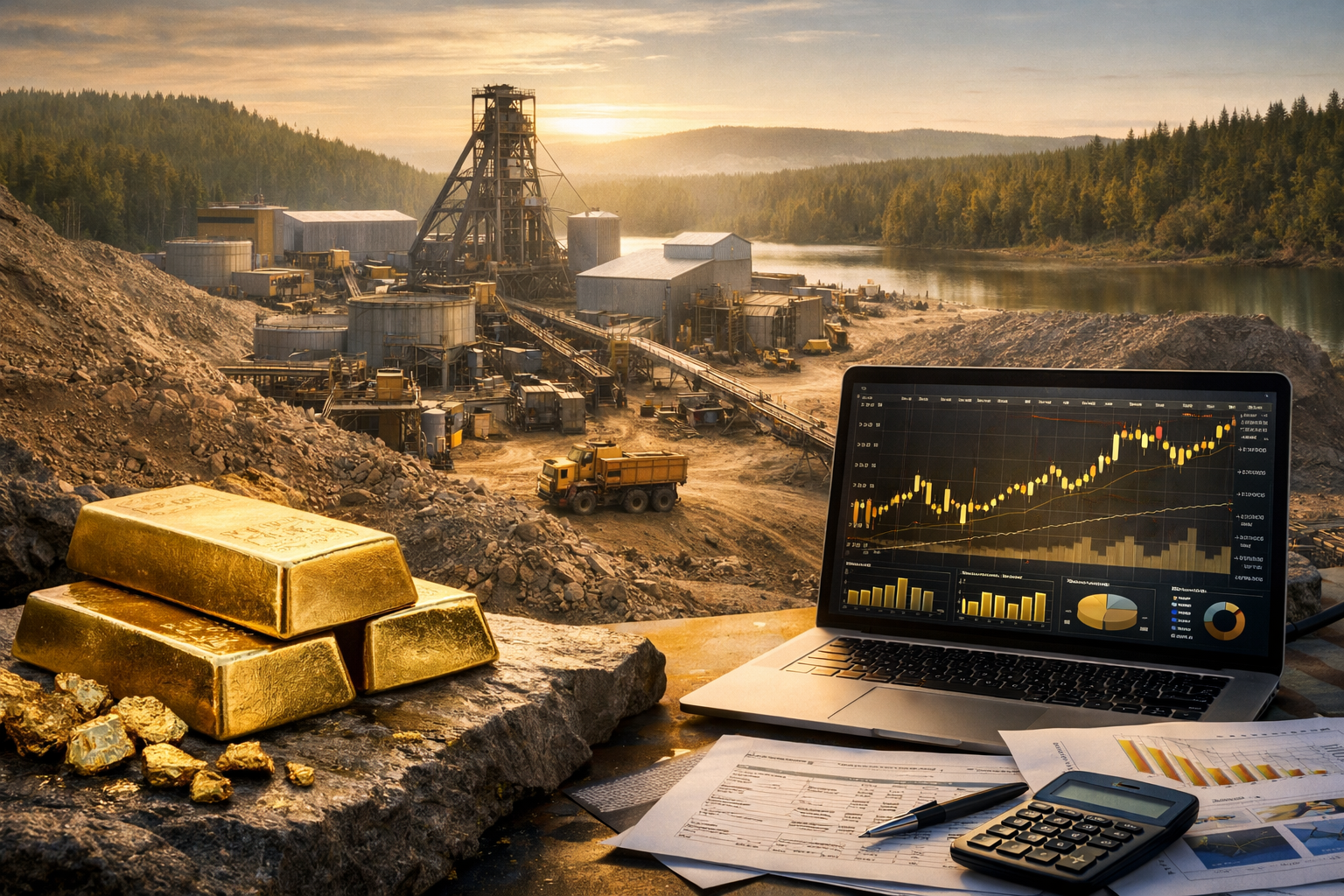
The spillover into metals and mining may seem counterintuitive at first glance, but the link is structural. AI infrastructure is resource-intensive, relying heavily on commodities such as copper, lithium, nickel, and rare earth elements. When optimism around AI investment cycles softens, expectations for future commodity demand can be repriced as well.
Additionally, technology stocks play a central role in global indices. When they decline, overall risk appetite often follows, prompting investors to reduce exposure to cyclical assets—including materials and mining equities.
Analysts note that this dynamic reinforces how AI is no longer a standalone sector theme but a cross-market driver influencing capital flows across industries.
Why This Matters for Investors
The current rotation highlights a critical reality for modern portfolios: sector boundaries are increasingly blurred. A sell-off in technology can impact commodities, industrials, and even emerging markets tied to supply chains and capital investment cycles.
For investors, this raises the importance of diversification—not just across sectors, but across risk factors. Heavy concentration in high-growth themes, even transformative ones like AI, can expose portfolios to abrupt volatility when sentiment shifts.
At the same time, pullbacks driven by valuation resets can create selective opportunities. Investors who understand where fundamentals remain strong may be better positioned to identify mispriced assets amid broad-based selling.
Analyst Perspective: Rotation, Not Collapse
Market strategists cited across global financial media emphasize that the current move resembles a rotation rather than a systemic breakdown. Research from firms such as McKinsey continues to point toward long-term growth in AI investment, particularly in enterprise software, automation, and data-driven decision-making.
However, analysts stress that future returns are likely to be more uneven. Companies with clear revenue models, pricing power, and cost discipline are expected to outperform those relying primarily on future growth projections.
In metals and mining, demand linked to electrification and digital infrastructure remains intact, but short-term price movements may reflect changing expectations around the pace—not the existence—of AI-driven demand.
Future Trends to Watch
Several factors will determine how this rotation evolves:
- Earnings delivery: Upcoming results from major tech firms will test whether valuations can be supported by cash flow growth.
- Capital expenditure trends: Any slowdown in AI-related infrastructure spending could influence both tech and commodity markets.
- Interest rate outlook: Higher-for-longer rates tend to pressure long-duration growth assets, amplifying valuation sensitivity.
- Investor positioning: Year-end portfolio rebalancing may continue to drive volatility across correlated sectors.
Monitoring these signals can help investors distinguish between short-term noise and longer-term trend shifts.
Key Investment Insight
The current market action reinforces the importance of sector interconnectivity. AI-driven tech sell-offs can ripple into unexpected areas such as metals and mining, reminding investors that dominant themes influence multiple asset classes simultaneously.
A balanced approach—combining selective exposure to long-term growth themes like AI with defensive holdings and disciplined risk management—may help navigate periods of rotation. Rather than chasing momentum, investors may benefit from focusing on valuation, earnings resilience, and structural demand drivers across sectors.
Markets are evolving rapidly, and understanding how major themes intersect is essential for informed decision-making. Stay connected with MoneyNews.Today for daily, investor-focused insights on technology, global markets, and the forces shaping tomorrow’s investment landscape.