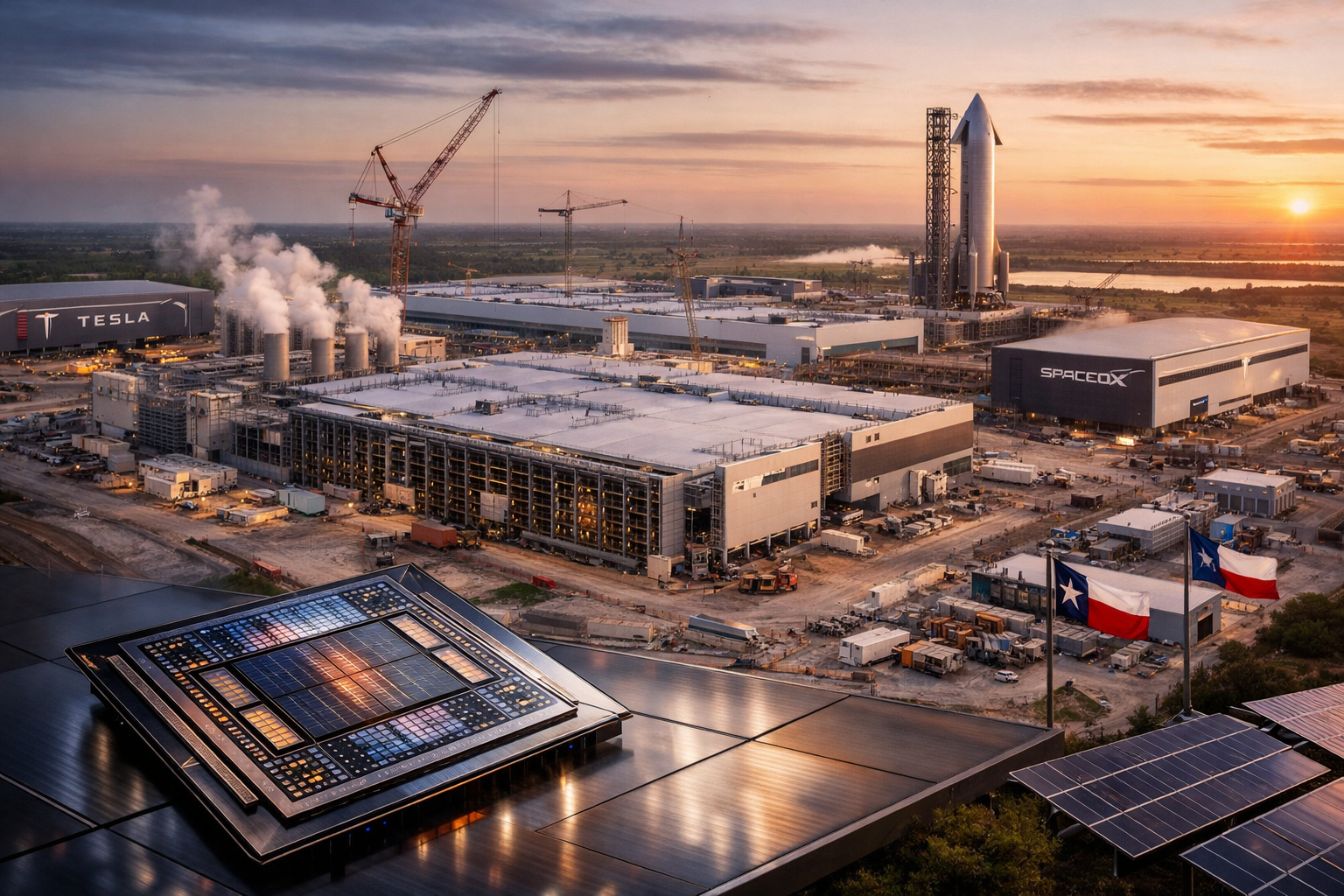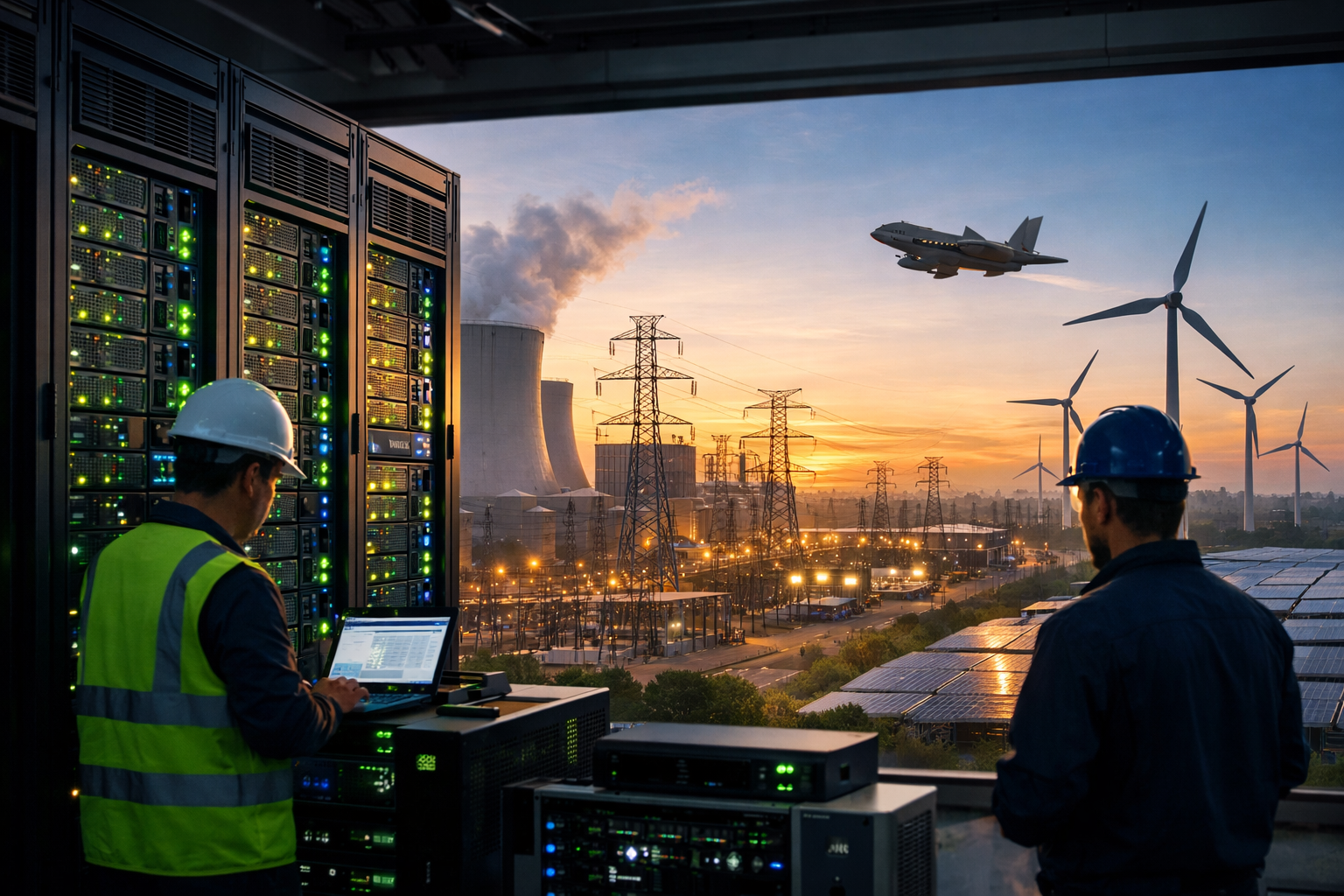
The next phase of the artificial intelligence revolution won’t be defined solely by algorithms or chips—it will be defined by electricity.
That was the unmistakable message from CERAWeek 2026 in Houston, one of the world’s most influential energy conferences, where global leaders, policymakers, and industry executives converged around a single theme: the explosive growth of AI is rapidly transforming global energy demand. As highlighted in coverage from the Houston Chronicle and S&P Global, the rise of AI-driven data centers is placing unprecedented strain on power systems—reshaping investment priorities across energy, infrastructure, and industrial sectors.
For investors, this marks a pivotal shift. AI is no longer just a technology story—it is becoming one of the most powerful demand drivers in the global energy market.
AI’s Power Problem Becomes the Market’s Opportunity
For years, the narrative around AI has focused on compute power—GPUs, cloud platforms, and software innovation. But as adoption accelerates, a more fundamental constraint is emerging: energy.
AI workloads are extraordinarily power-intensive. Training large-scale models and running inference at global scale require vast data center networks operating around the clock. According to projections discussed at CERAWeek and supported by analysis from the International Energy Agency (IEA), global electricity demand from data centers could double or even triple over the next decade, largely driven by AI.
This surge is creating a new reality:
- Data centers are becoming major industrial energy consumers
- Utilities are facing capacity constraints and rising demand forecasts
- Governments are prioritizing energy security alongside digital infrastructure
In effect, AI is turning electricity into one of the most valuable inputs in the global economy.
Why CERAWeek 2026 Matters for Investors
CERAWeek has long been a barometer for energy market trends. This year’s conference signaled a clear turning point: AI is now central to the future of energy markets.
Key themes emerging from the event include:
1. Energy Security Is Back in Focus
The rapid growth of AI is colliding with an already strained global energy system. Geopolitical tensions, supply chain disruptions, and the transition to renewable energy are all adding complexity.
As a result:
- Countries are prioritizing domestic energy production
- Investment in grid resilience and reliability is accelerating
- Energy policy is becoming closely tied to technological competitiveness
2. Infrastructure Investment Is Accelerating
Meeting AI-driven energy demand will require massive infrastructure expansion.
This includes:
- New power generation capacity (both fossil fuels and renewables)
- Transmission and distribution upgrades
- Energy storage solutions
According to S&P Global and McKinsey estimates cited during the conference, trillions of dollars in capital expenditure may be required globally to support this transition.
3. Big Tech Is Becoming a Major Energy Player
Technology companies are no longer just consumers of energy—they are becoming active participants in energy markets.
Major trends include:
- Direct investment in renewable energy projects
- Long-term power purchase agreements (PPAs)
- Exploration of on-site power generation for data centers
This shift is blurring the lines between technology and energy sectors, creating new competitive dynamics and investment opportunities.
The Emergence of a New Mega-Theme
The convergence of AI, energy, and infrastructure represents one of the most significant investment themes of the decade.
Unlike previous technology cycles, which were largely digital, this phase is deeply physical. It requires:
- Land for data centers
- Raw materials for infrastructure
- Energy to power operations
This creates a multi-sector opportunity spanning:
- Utilities and power generation
- Industrial construction and engineering
- Semiconductors and data center hardware
- Renewable energy and storage
For investors, the key takeaway is that AI’s impact is expanding far beyond traditional tech boundaries.
Sector-Level Opportunities and Risks
Utilities: From Defensive to Growth-Oriented
Utilities have traditionally been viewed as stable, low-growth investments. However, AI-driven demand is changing that perception.
With electricity consumption rising:
- Utilities could see increased revenue growth
- Long-term contracts with data centers provide predictable cash flows
- Investment in grid modernization offers capital deployment opportunities
Power Generation: A Strategic Asset
Power producers—particularly those with scalable capacity—are emerging as critical enablers of AI growth.
Both traditional and renewable energy sources will play a role:
- Natural gas may provide reliable baseload power
- Renewables will be key for sustainability goals
- Energy storage will help balance supply and demand
Industrials: Building the Backbone
The infrastructure required to support AI growth will drive demand for:
- Construction firms
- Engineering companies
- Equipment manufacturers
This positions the industrial sector as a key beneficiary of the AI-energy convergence.
Technology: Facing New Constraints
While technology companies remain at the center of the AI boom, they are increasingly exposed to:
- Rising energy costs
- Infrastructure bottlenecks
- Regulatory scrutiny
This could impact margins and slow the pace of expansion if not managed effectively.
Why This Matters for Investors
The implications of this shift are profound:
1. AI Growth Is Now Infrastructure-Limited
The speed at which AI can scale will depend on the availability of energy and infrastructure—not just technological innovation.
2. Capital Allocation Is Shifting
Investors are beginning to allocate capital toward sectors that enable AI growth, rather than just those that develop AI technologies.
3. New Risks Are Emerging
Energy costs, regulatory changes, and infrastructure delays could introduce new risks to the AI investment thesis.
Future Trends to Watch
1. Data Center Expansion
The global race to build AI-ready data centers will continue to accelerate, with regional competition intensifying.
2. Grid Modernization
Upgrading aging power infrastructure will become a priority, creating opportunities in transmission and distribution.
3. Renewable Energy Integration
Balancing sustainability with reliability will drive innovation in renewable energy and storage solutions.
4. Policy and Regulation
Government policies will play a critical role in shaping how quickly energy infrastructure can scale to meet AI demand.
Key Investment Insight
The convergence of AI, energy, and infrastructure is not a short-term trend—it is a structural transformation of the global economy.
Investors should consider:
- Expanding exposure to utilities and power generation companies
- Identifying industrial firms positioned to benefit from infrastructure buildout
- Monitoring energy costs as a key variable in tech sector profitability
- Diversifying across sectors to capture the full value chain of AI growth
The most successful investors in this cycle will be those who recognize that AI’s future is not just digital—it is deeply physical and energy-dependent.
A New Era of Investment Opportunity
CERAWeek 2026 has made one thing clear: the AI revolution is entering a new phase—one that will reshape not just technology, but the global energy landscape.
For investors, this represents a rare opportunity to participate in a multi-decade transformation that spans industries and geographies. But it also requires a broader perspective—one that goes beyond traditional tech investing to include the infrastructure that makes it all possible.
Stay ahead of these transformative trends with MoneyNews.Today, your trusted source for daily investor insights, market-moving developments, and actionable analysis across the world’s most important sectors.