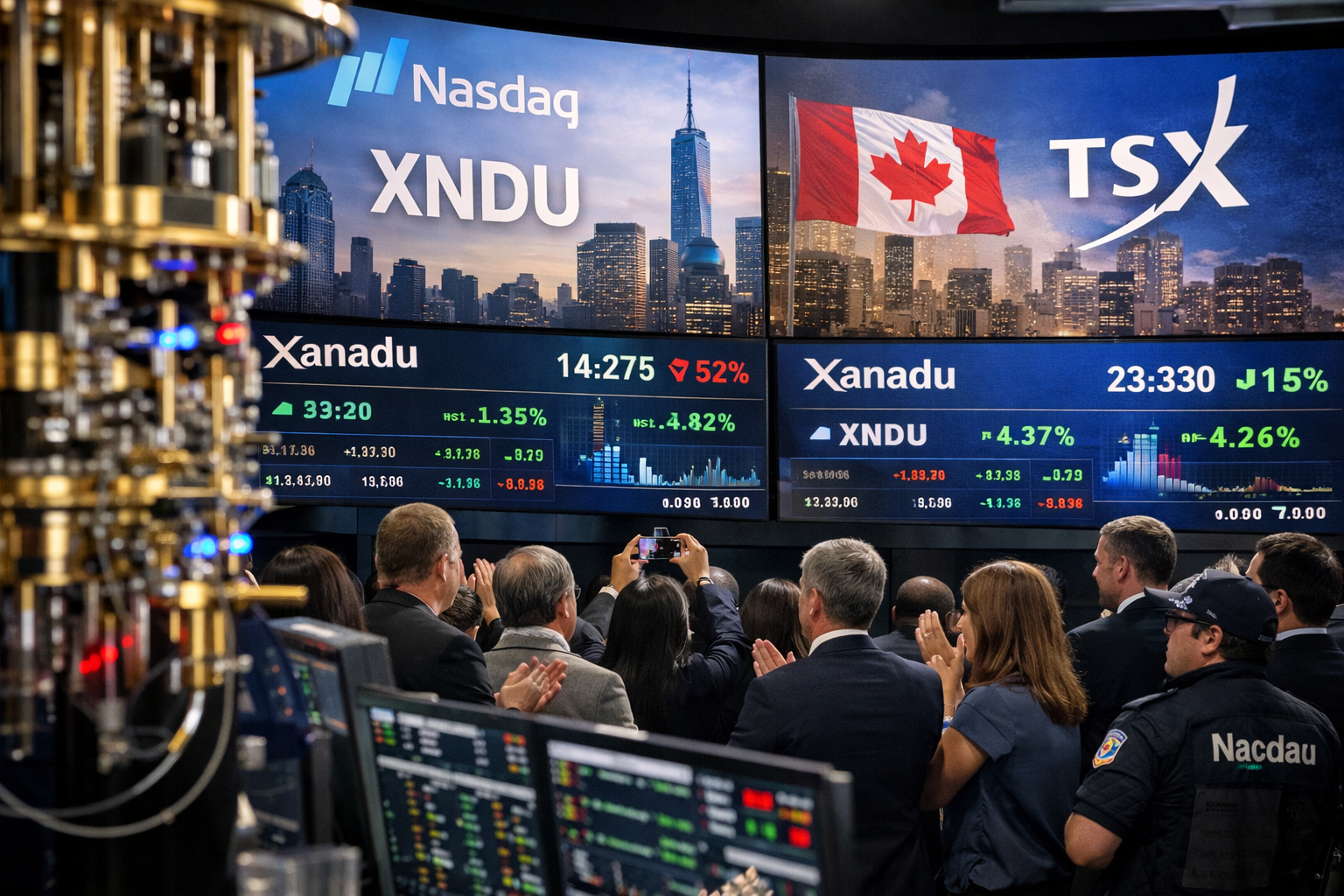
The artificial intelligence trade that powered markets for much of the year is showing visible cracks. U.S. technology stocks, particularly those closely tied to AI development and infrastructure, came under renewed pressure as investors reassessed lofty growth assumptions and escalating capital spending tied to AI projects. The pullback weighed heavily on the Nasdaq and spilled over into broader equity indices, signaling a shift in market psychology from optimism to scrutiny.
According to AP News, the sell-off reflects growing concern that while AI remains a powerful long-term theme, near-term valuations and spending demands may be outpacing earnings reality. For investors, the move marks a critical inflection point in how AI exposure is evaluated going forward.
From AI Euphoria to Earnings Reality
For much of the past year, AI-linked stocks benefited from aggressive multiple expansion as investors priced in transformative productivity gains and rapid revenue growth. Mega-cap technology companies and AI infrastructure providers became market leaders, driving index-level performance and dominating investor portfolios.
However, recent trading action suggests the market is recalibrating. Shares of several major U.S. tech firms declined sharply, dragging the Nasdaq lower as investors reacted to rising costs, slower monetization timelines, and cautious commentary around AI-related capital expenditures.
AP News reported that concerns are mounting over whether the scale of current AI investments—particularly in data centers, advanced chips, and cloud infrastructure—will generate sufficient near-term returns. This has prompted profit-taking and sector rotation, especially among stocks that had rallied most aggressively.
Why This Matters for Investors
The AI sell-off is not merely a technical correction; it reflects a deeper shift in investor priorities. Markets are moving away from rewarding ambition alone and toward demanding measurable financial performance.
As interest rates remain elevated, capital has become more selective. High-growth narratives must now compete with tangible metrics such as free cash flow, margin expansion, and balance-sheet strength. For AI-linked companies still in heavy investment mode, this environment presents a challenge.
The sell-off also highlights concentration risk. AI stocks have represented a significant portion of recent index gains, meaning pullbacks can have outsized effects on market benchmarks. Investors with heavy exposure to a narrow group of AI leaders may be experiencing higher volatility than anticipated.
Capital Spending and Margin Pressure in Focus
One of the central investor concerns is the scale of spending required to support AI ambitions. Building and maintaining AI infrastructure requires massive investments in semiconductors, power, cooling systems, and specialized talent.
While companies have emphasized long-term strategic benefits, analysts are increasingly questioning near-term margin implications. Several research firms, including McKinsey in recent industry outlooks, have noted that AI-driven productivity gains may take longer to materialize than markets initially expected.
This gap between spending and payoff has become a focal point for investors reassessing risk-reward dynamics across the tech sector.
Future Trends to Watch
Despite the current pullback, AI is far from losing relevance. Instead, the market appears to be entering a more disciplined phase. Several trends are worth monitoring:
- Shift toward profitable AI exposure: Investors may favor companies with established revenue streams that are integrating AI into existing products rather than building from scratch.
- Infrastructure selectivity: Hardware and semiconductor firms with pricing power and strong order visibility may prove more resilient than speculative AI software names.
- Earnings-driven leadership: Stock performance is likely to hinge more on quarterly results and guidance rather than thematic positioning alone.
- Broader tech rotation: Capital may rotate into less crowded areas of technology, including cybersecurity, enterprise software, and digital infrastructure with steadier cash flows.
Key Investment Insight
The recent AI-linked sell-off reinforces the importance of fundamentals. Investors may benefit from re-weighting AI exposure toward companies demonstrating profitability, strong cash flow, and disciplined capital allocation, while trimming positions driven primarily by long-term narratives. In the near term, fundamentals—not hype—are likely to dictate performance.
Diversification within technology and a balanced mix of growth and defensive characteristics can help manage volatility as the AI trade matures.
For daily analysis that cuts through market noise and highlights what truly matters for investors, stay informed with MoneyNews.Today—your trusted source for timely insights on AI, technology, and global markets.