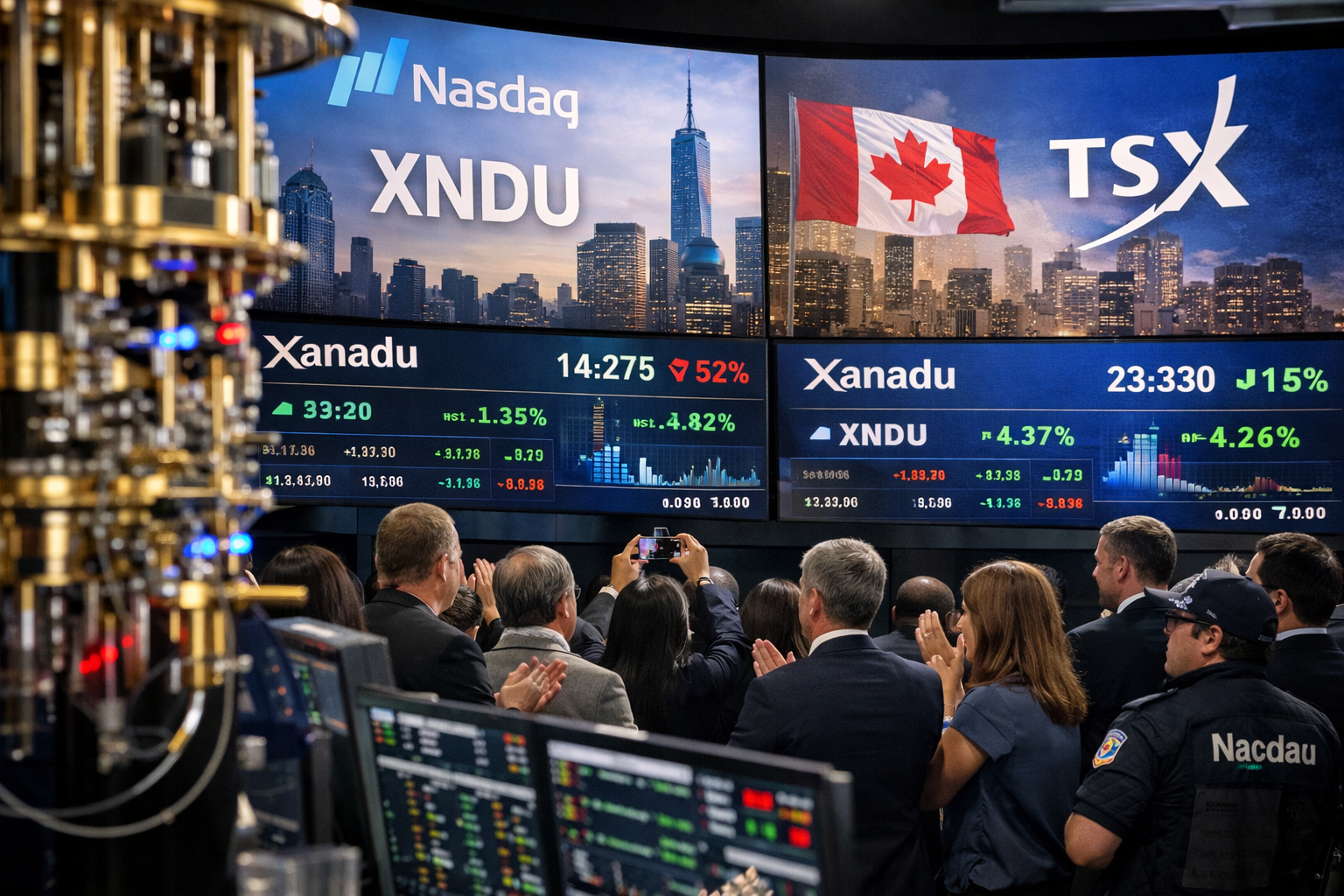
Bitcoin is once again commanding investor attention, holding near psychologically important price levels even as macro uncertainty and policy speculation continue to drive sharp week-to-week swings. At the same time, a quieter but potentially more consequential development is unfolding in the background: the Nasdaq Crypto Index has been rebranded and aligned with CME Group, a move that could significantly strengthen institutional access, transparency, and benchmarking across digital assets.
Together, these trends highlight a maturing crypto market that is still volatile, still macro-sensitive, but increasingly supported by traditional financial infrastructure.
Why This Matters for Investors
Bitcoin’s ability to stabilize around the $90,000 level, as reported by major market trackers and covered by Reuters and Bloomberg, reflects resilient demand despite ongoing uncertainty around global monetary policy and regulation. Risk-on sentiment in equities and easing fears of aggressive rate tightening have supported speculative assets, yet institutional investors remain selective, focusing on liquidity, custody, and risk management rather than outright directional bets.
The parallel development involving Nasdaq and CME Group speaks directly to this shift. CME is already the world’s largest regulated crypto derivatives marketplace, with Bitcoin and Ether futures volumes used by hedge funds, asset managers, and corporate treasuries. By aligning the Nasdaq Crypto Index with CME’s market infrastructure and data standards, the industry is taking another step toward integrating digital assets into the same analytical and risk-management frameworks used for equities, rates, and commodities.
For portfolio managers, benchmarks matter. They shape index funds, structured products, performance attribution, and asset-allocation models. A more transparent, institution-grade crypto index can accelerate the development of diversified crypto investment vehicles and improve confidence among allocators who previously viewed the asset class as operationally opaque.
Bitcoin’s Macro Sensitivity Remains
Despite growing institutionalization, Bitcoin continues to behave like a high-beta macro asset. Its recent consolidation reflects competing forces: expectations of eventual monetary easing, which typically support scarce assets, and caution ahead of key policy decisions and regulatory developments in the U.S. and Europe.
According to analysts quoted by Bloomberg, flows into spot and futures markets suggest long-term holders remain constructive, while short-term traders are quick to reduce exposure when volatility spikes. This dynamic explains why prices can hold key levels yet still experience abrupt multi-day corrections.
From a strategic standpoint, Bitcoin’s role is evolving. It is increasingly viewed as a hybrid asset—part digital commodity, part alternative risk asset, and part long-duration macro hedge. That complexity makes reliable benchmarks and derivatives markets essential for institutions seeking to size positions, hedge exposures, and manage volatility.
The Significance of the Nasdaq–CME Alignment
The rebranding of the Nasdaq Crypto Index in partnership with CME Group is more than cosmetic. It signals a convergence between traditional market structure and digital assets, similar to the evolution of commodity markets in the 1990s when standardized indices and futures transformed institutional participation.
CME’s involvement brings established governance, transparent pricing, and regulatory oversight—features that pension funds, insurers, and large asset managers require before allocating capital at scale. As Reuters has noted in previous coverage of crypto derivatives growth, regulated futures and options markets are often a prerequisite for the launch of ETFs, index-linked notes, and other institutional products.
A robust, widely accepted crypto index could also support:
- Index-tracking funds and structured products for diversified digital-asset exposure.
- Risk-parity and multi-asset strategies that incorporate crypto alongside equities, bonds, and commodities.
- Improved price discovery and volatility management, reducing fragmentation across exchanges.
Future Trends to Watch
Several developments will determine whether this structural progress translates into sustained capital inflows:
- Regulatory Clarity in the U.S. and Canada: Guidance on custody, stablecoins, and exchange oversight will influence how quickly large institutions can scale exposure.
- Growth in Crypto Derivatives and Options: Rising open interest on CME is a leading indicator of institutional participation.
- Index Adoption: The use of the Nasdaq Crypto Index in ETFs, notes, or pension-eligible products would mark a significant milestone.
- Correlation with Traditional Assets: Monitoring Bitcoin’s relationship with equities and real rates will remain critical for portfolio construction.
Key Investment Insight
Crypto markets are still driven by macro forces and sentiment cycles, but the underlying market structure is steadily professionalizing. For investors, this means that volatility is likely to persist, yet the tools to measure, hedge, and allocate to digital assets are becoming more sophisticated and institution-friendly.
A prudent strategy is to track not only price levels but also infrastructure signals: index adoption, derivatives volumes, and regulatory milestones. These factors often precede broader institutional flows and can provide early insight into when crypto transitions from a tactical trade to a more strategic allocation.
Stay connected with MoneyNews.Today for daily, in-depth coverage of the digital asset market, macro trends, and the institutional developments shaping the future of crypto investing.