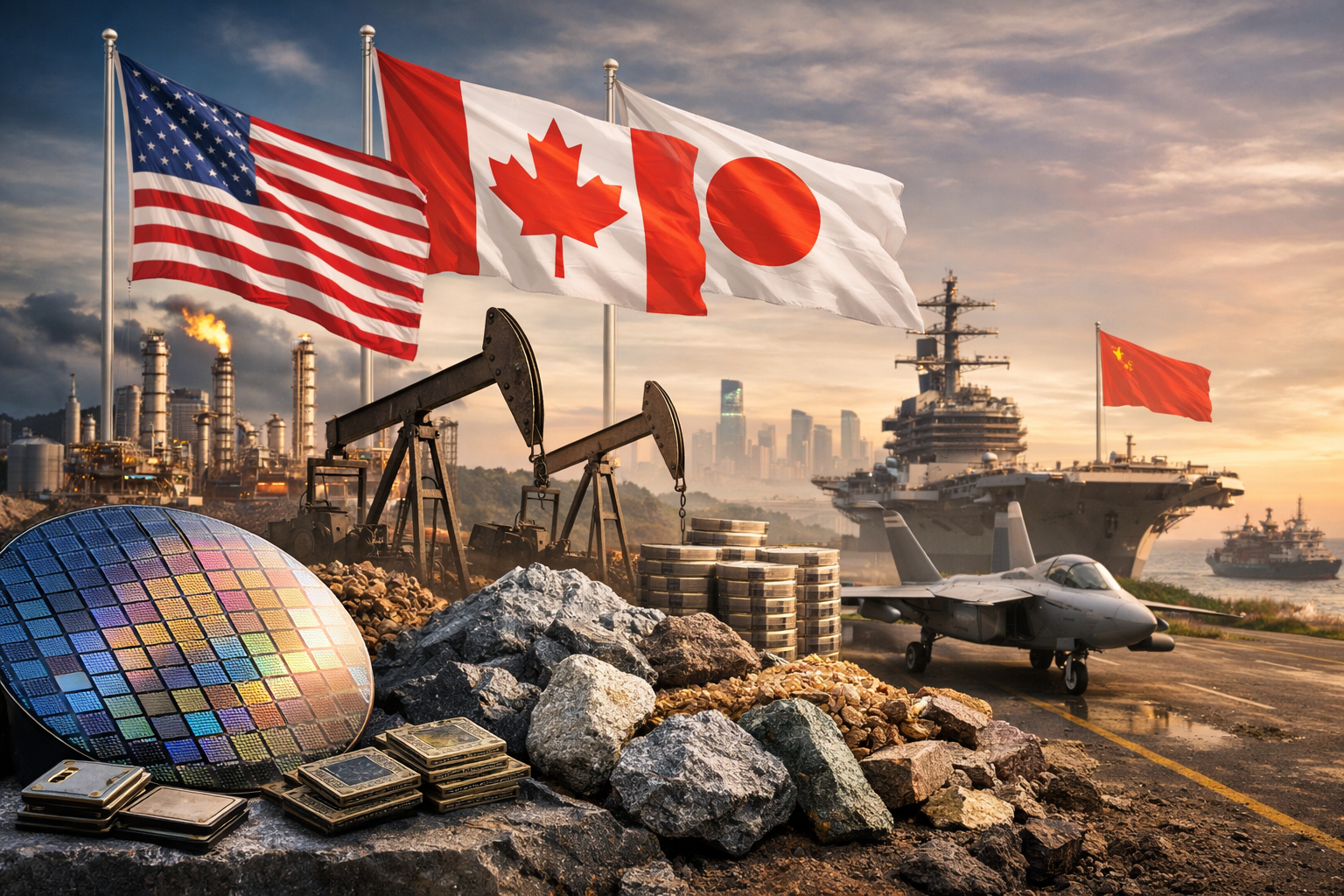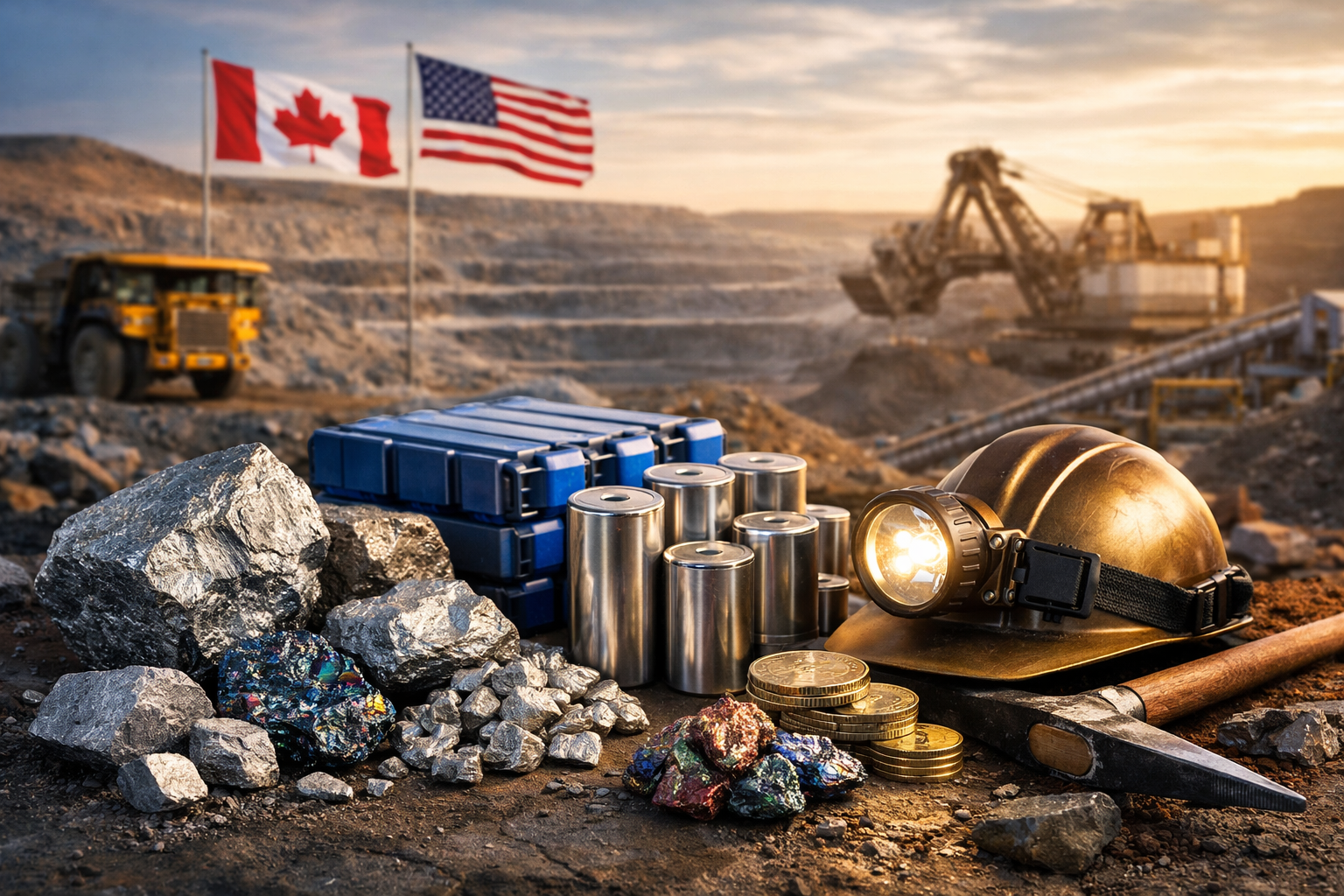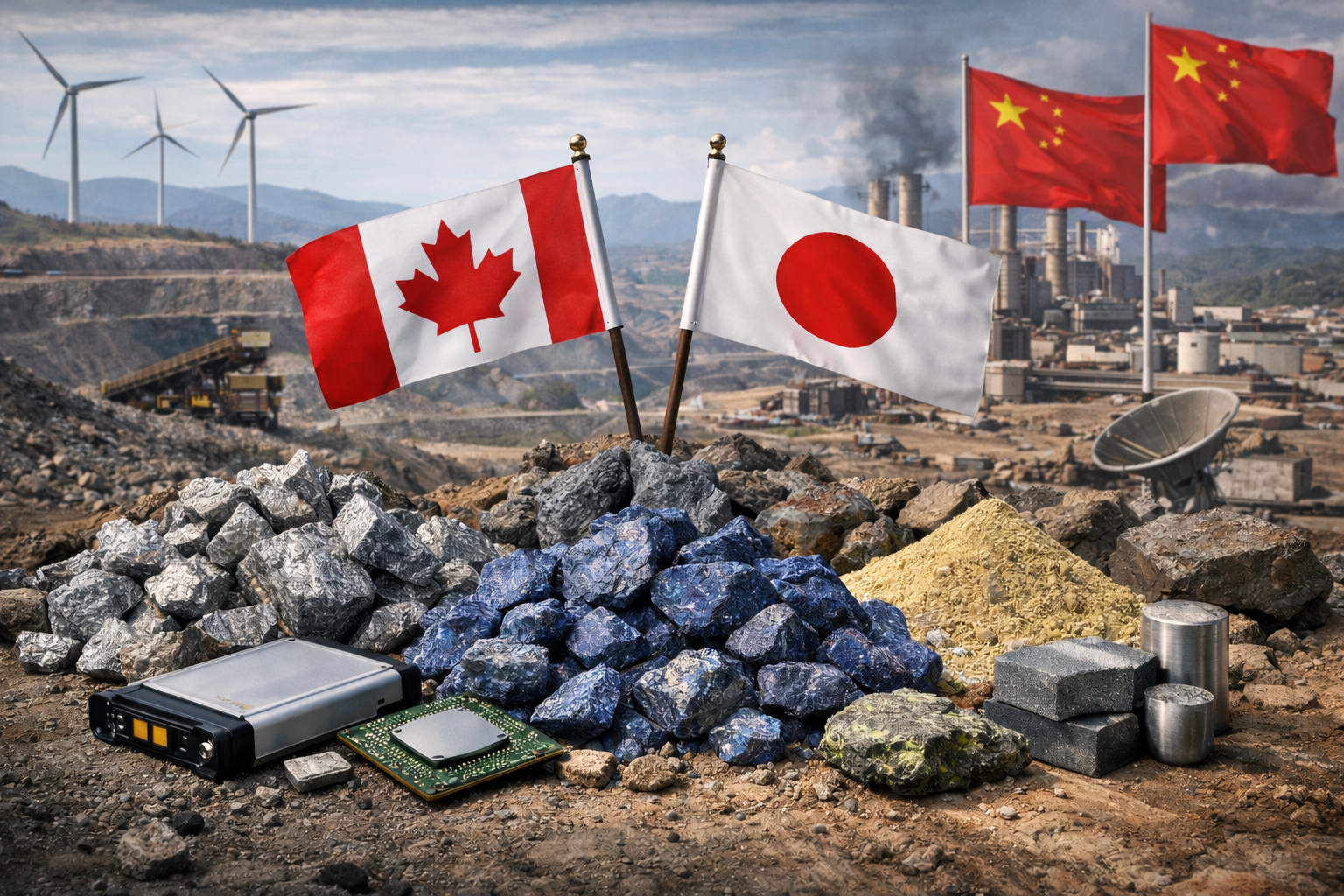
A new geopolitical battleground is emerging—not over oil or traditional energy resources, but over the minerals powering the technologies of the future. From electric vehicles and renewable energy systems to semiconductors and defense equipment, the global race to secure critical minerals is rapidly reshaping international alliances and investment strategies.
In response to growing concerns over supply chain vulnerabilities, Canada is expanding strategic partnerships with allied nations to strengthen access to critical minerals and reduce dependence on China. According to reporting from Reuters, the initiative reflects a broader shift among democratic economies seeking to secure the materials essential to next-generation technologies and industrial growth.
The move underscores a major transformation in global economic policy. Governments are increasingly treating critical minerals not just as commodities, but as strategic assets tied to national security, technological leadership, and long-term economic competitiveness.
For investors, this geopolitical shift highlights an important trend: government policy is becoming a powerful force shaping resource markets and supply chains.
The Global Race for Critical Minerals
Critical minerals have become one of the most strategically important resources in the modern economy. These materials—including lithium, cobalt, nickel, rare earth elements, and graphite—are essential components in technologies ranging from batteries and semiconductors to aerospace systems and advanced electronics.
Demand for these minerals is expected to surge over the coming decades as countries accelerate the transition toward clean energy and digital infrastructure.
However, global supply chains remain heavily concentrated.
China currently dominates the processing and refining of many critical minerals used in advanced technologies. According to the International Energy Agency, China controls significant portions of global refining capacity for lithium, cobalt, and rare earth elements.
This concentration has raised concerns among Western governments about supply security and geopolitical leverage.
Canada’s expanding alliances aim to diversify supply chains and ensure reliable access to these resources.
The strategy reflects a broader international effort among countries including the United States, Australia, and Japan to build alternative mineral supply networks.
Canada’s Growing Role in the Critical Minerals Economy
Canada is uniquely positioned to play a central role in the global critical minerals landscape.
The country possesses vast reserves of minerals essential to modern technologies, including lithium, nickel, cobalt, graphite, and rare earth elements. These resources are concentrated in regions such as Ontario, Quebec, and northern territories rich in mineral deposits.
Recognizing this strategic advantage, the Canadian government has introduced policies designed to strengthen domestic mining and processing capabilities.
The nation’s Critical Minerals Strategy, launched by Government of Canada, focuses on accelerating exploration, supporting mining development, and building domestic supply chains for battery materials and advanced manufacturing.
These policies aim to position Canada as a key supplier to allied economies seeking secure access to critical resources.
Strategic partnerships with international allies are a central part of this approach.
Through agreements with countries such as Australia and the United States, Canada is working to develop integrated supply chains that connect mineral extraction with processing, manufacturing, and technology development.
Why This Matters for Investors
The growing geopolitical focus on critical minerals has significant implications for investors across multiple sectors.
Government policies—including subsidies, strategic partnerships, and export controls—are increasingly influencing the direction of capital flows within the global resource economy.
Mining and Exploration Companies
Companies involved in the exploration and production of critical minerals could benefit from rising demand and increased government support.
Mining projects tied to lithium, nickel, cobalt, and rare earth elements are attracting strong interest as countries seek to expand domestic supply.
Many of these companies are listed on Canadian exchanges, making the country a major hub for critical minerals investment.
Battery Supply Chains
Electric vehicles and energy storage systems require large quantities of battery metals, including lithium, nickel, and cobalt.
As governments invest in domestic battery supply chains, companies involved in mineral extraction, refining, and battery manufacturing may experience significant growth opportunities.
Semiconductor Manufacturing
Critical minerals also play an important role in semiconductor production, which has become another strategic industry for global economies.
Governments are increasingly supporting semiconductor manufacturing through subsidies and industrial policy initiatives aimed at reducing reliance on overseas production.
Defense and Aerospace
Many advanced defense technologies rely on rare earth elements and other critical materials.
As geopolitical competition intensifies, governments may increase spending to secure supply chains for defense-related materials.
This could create long-term demand for companies operating in the mining and advanced materials sectors.
The Strategic Shift Away From Supply Chain Dependence
The push to secure critical mineral supply chains reflects a broader shift in global economic policy.
For decades, globalization encouraged countries to rely on international markets for raw materials and manufacturing inputs. However, recent disruptions—from trade conflicts to pandemic-era supply shortages—have prompted governments to rethink these strategies.
Today, many nations are prioritizing supply chain resilience and domestic industrial capacity.
This shift has been particularly evident in sectors considered vital to economic security, including semiconductors, battery technology, and clean energy infrastructure.
According to research from consulting firm McKinsey & Company, demand for critical minerals could increase dramatically over the next decade as global electrification and decarbonization efforts accelerate.
Lithium demand alone may grow several-fold as electric vehicle adoption expands worldwide.
These structural trends are likely to influence investment flows into mining, energy transition technologies, and advanced manufacturing.
Future Trends to Watch
Several key developments could shape the future of the global critical minerals market.
Government Subsidies and Industrial Policy
Governments around the world are introducing financial incentives designed to support domestic mining, processing, and manufacturing.
These policies could create major opportunities for companies involved in critical mineral supply chains.
Strategic Resource Alliances
International partnerships between resource-rich nations and manufacturing economies are likely to expand.
These alliances aim to ensure reliable access to minerals while reducing geopolitical risk.
Growth of Electric Vehicle Markets
Electric vehicles require significantly more minerals than traditional internal combustion vehicles.
As EV adoption accelerates, demand for lithium, nickel, cobalt, and graphite could rise sharply.
Supply Chain Transparency
Investors are increasingly paying attention to environmental, social, and governance (ESG) considerations in mining operations.
Companies with responsible sourcing practices and sustainable production methods may gain competitive advantages as supply chains evolve.
Key Investment Insight
The growing geopolitical focus on critical minerals highlights a powerful investment theme: resources essential to advanced technologies are becoming strategic assets in the global economy.
Investors should pay close attention to industries positioned at the intersection of geopolitics, energy transition, and industrial policy.
Potential areas of opportunity include:
- Critical minerals mining companies
- Battery materials producers
- Semiconductor supply chain firms
- Renewable energy infrastructure developers
Government policies will likely continue shaping the trajectory of these industries, making regulatory developments and international partnerships important factors for investors to monitor.
As the global competition for resources intensifies, companies positioned within secure and diversified supply chains could emerge as long-term winners.
The global economy is entering a new era where geopolitics, technology, and resource markets are deeply interconnected. For investors navigating this rapidly evolving landscape, staying informed about policy shifts and strategic alliances is essential.
Follow the latest market developments, industry insights, and global investment trends with MoneyNews.Today, your trusted destination for daily investor intelligence and financial news.