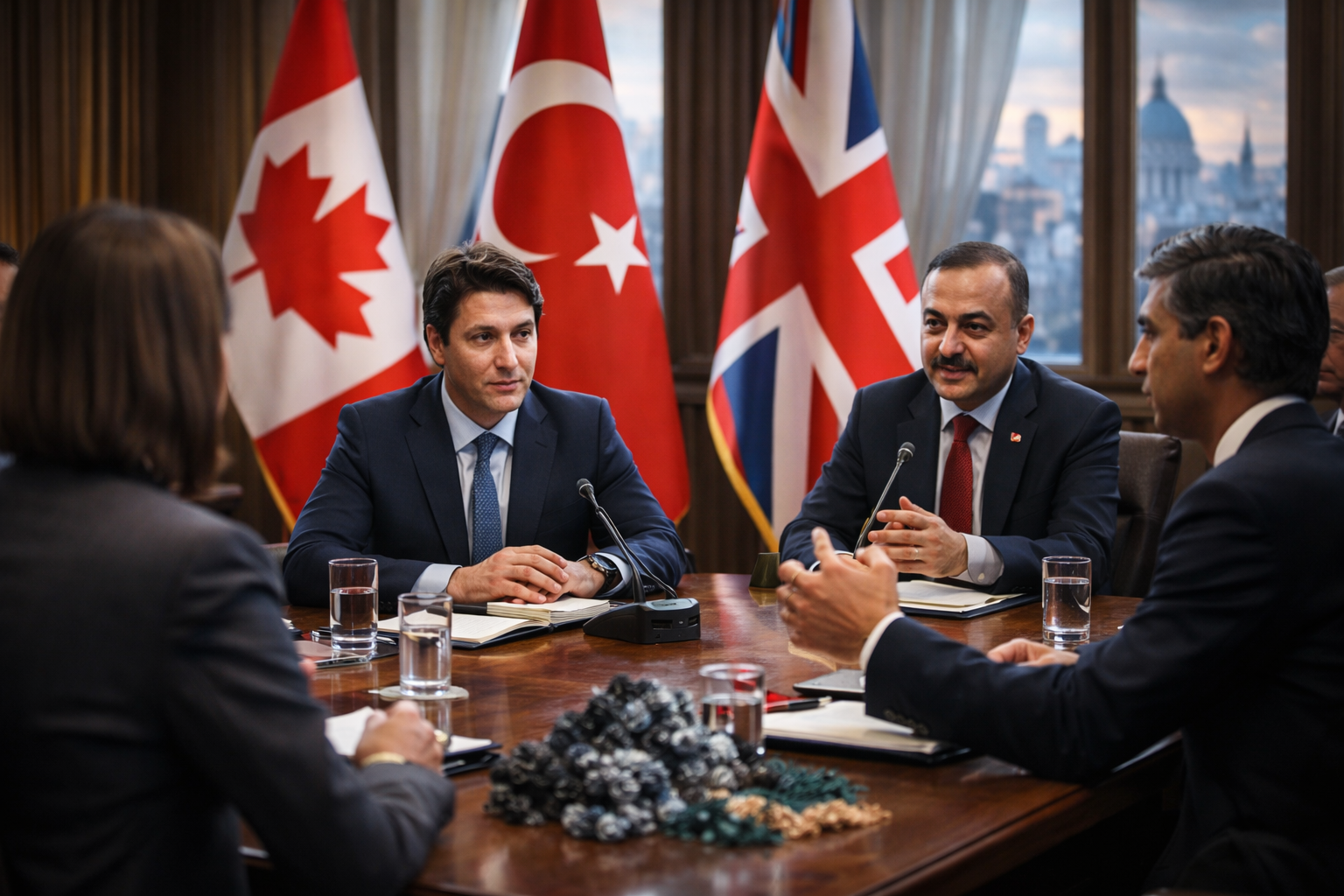
Global markets are once again being shaped by geopolitics. From rising oil prices to shifting trade alliances, investors are increasingly watching diplomatic developments as closely as economic data. Against this backdrop, Canada is moving to reinforce its global relationships, signaling a strategic effort to navigate an increasingly uncertain geopolitical landscape.
According to an official release from the Government of Canada, the country’s Foreign Affairs leadership is engaging with international partners in both Europe and the Middle East to address evolving global security issues and strengthen economic cooperation. These diplomatic discussions—taking place in countries such as Türkiye and the United Kingdom—come at a time when geopolitical tensions, particularly in the Middle East, are affecting global energy markets, commodity supply chains, and investor sentiment.
For investors, the developments highlight an important reality: diplomatic strategy is increasingly intertwined with economic outcomes. From energy prices to defense spending and trade flows, geopolitical relationships are becoming a key driver of market trends.
Diplomacy and Markets Are Becoming Closely Linked
Over the past decade, geopolitics has re-emerged as a major force shaping global markets.
Conflicts, sanctions, shifting alliances, and trade disputes are influencing everything from commodity prices to supply chains and currency movements. Investors are now factoring geopolitical developments into their investment decisions more than at any time since the early 2000s.
Canada’s latest diplomatic engagements reflect this evolving environment. Government officials have emphasized the need to work closely with allies to address global challenges ranging from regional conflicts to economic stability.
According to the official statement from the Government of Canada, discussions with international partners are expected to cover several critical issues, including:
- Global security developments
- Economic cooperation and trade relationships
- Energy market stability
- Supply chain resilience
These discussions are taking place as tensions in several regions—including the Middle East and Eastern Europe—continue to influence commodity markets and global trade routes.
For investors, diplomatic activity can often serve as an early indicator of future policy changes that may affect industries such as energy, defense, technology, and infrastructure.
Energy Markets Remain at the Center of Global Tensions
One of the most immediate economic impacts of geopolitical developments is being felt in global energy markets.
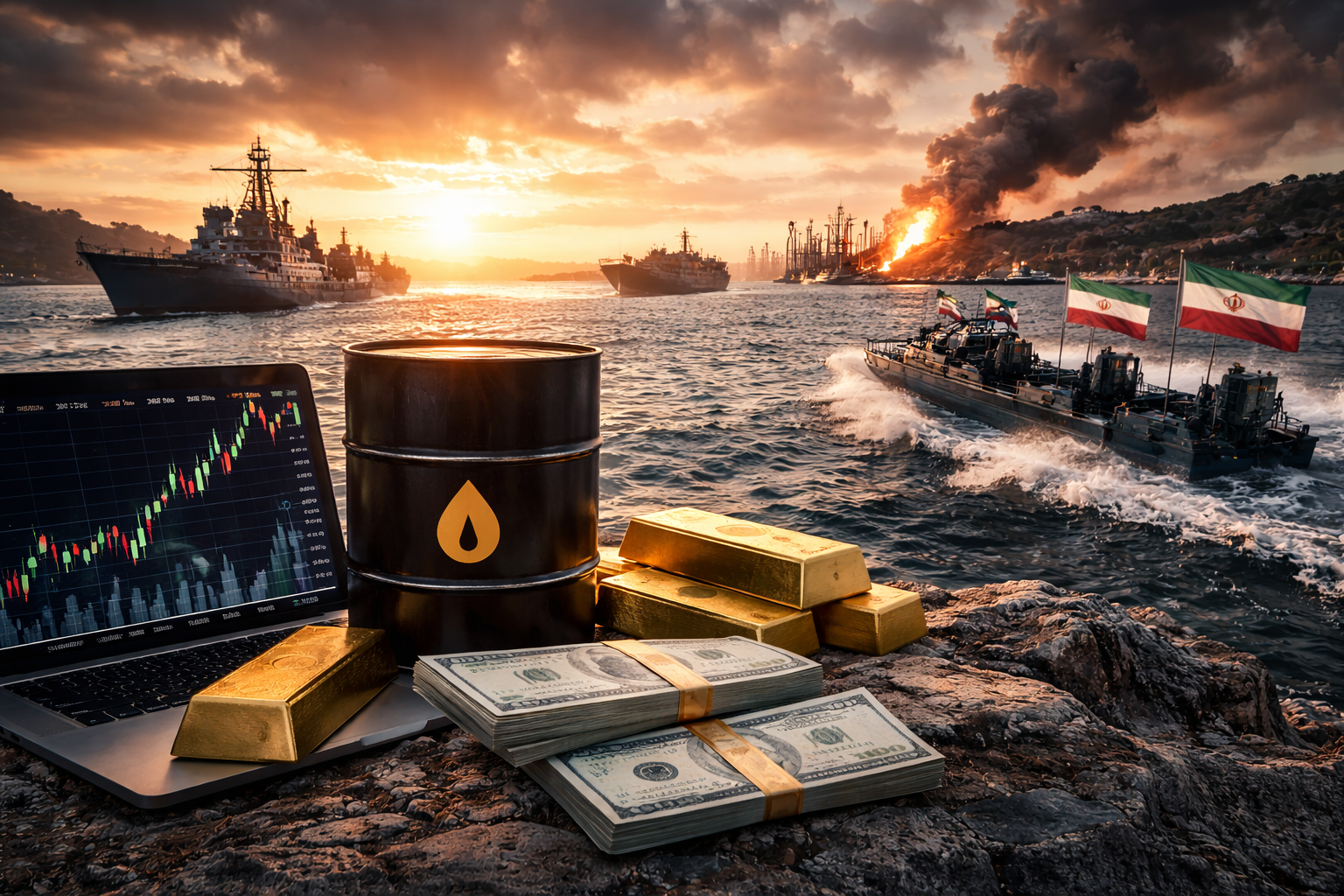
Oil prices have already surged in recent weeks as tensions in the Middle East raised concerns about potential disruptions to supply routes. Even small disruptions in major energy-producing regions can have an outsized impact on prices due to the tight balance between global supply and demand.
Canada, as one of the world’s largest energy producers, has a significant stake in how these dynamics evolve.
Major Canadian energy companies—including Suncor Energy, Canadian Natural Resources, and Cenovus Energy—are closely tied to global oil price movements. Rising crude prices can boost revenues and profitability for these firms, but they also introduce volatility across financial markets.
For policymakers, maintaining strong diplomatic relationships can help ensure stability in energy trade routes and international cooperation on supply issues.
Investors often monitor these diplomatic engagements because they may signal future agreements related to energy production, infrastructure development, or strategic reserves.
Trade and Supply Chains Are Another Key Focus
Beyond energy markets, global supply chains have become a major focus of diplomatic discussions.
The COVID-19 pandemic exposed vulnerabilities in global logistics networks, while geopolitical tensions have further complicated trade relationships.
In response, many governments—including Canada—are working to strengthen partnerships with allied nations to ensure reliable access to critical goods and raw materials.
These efforts include collaboration on:
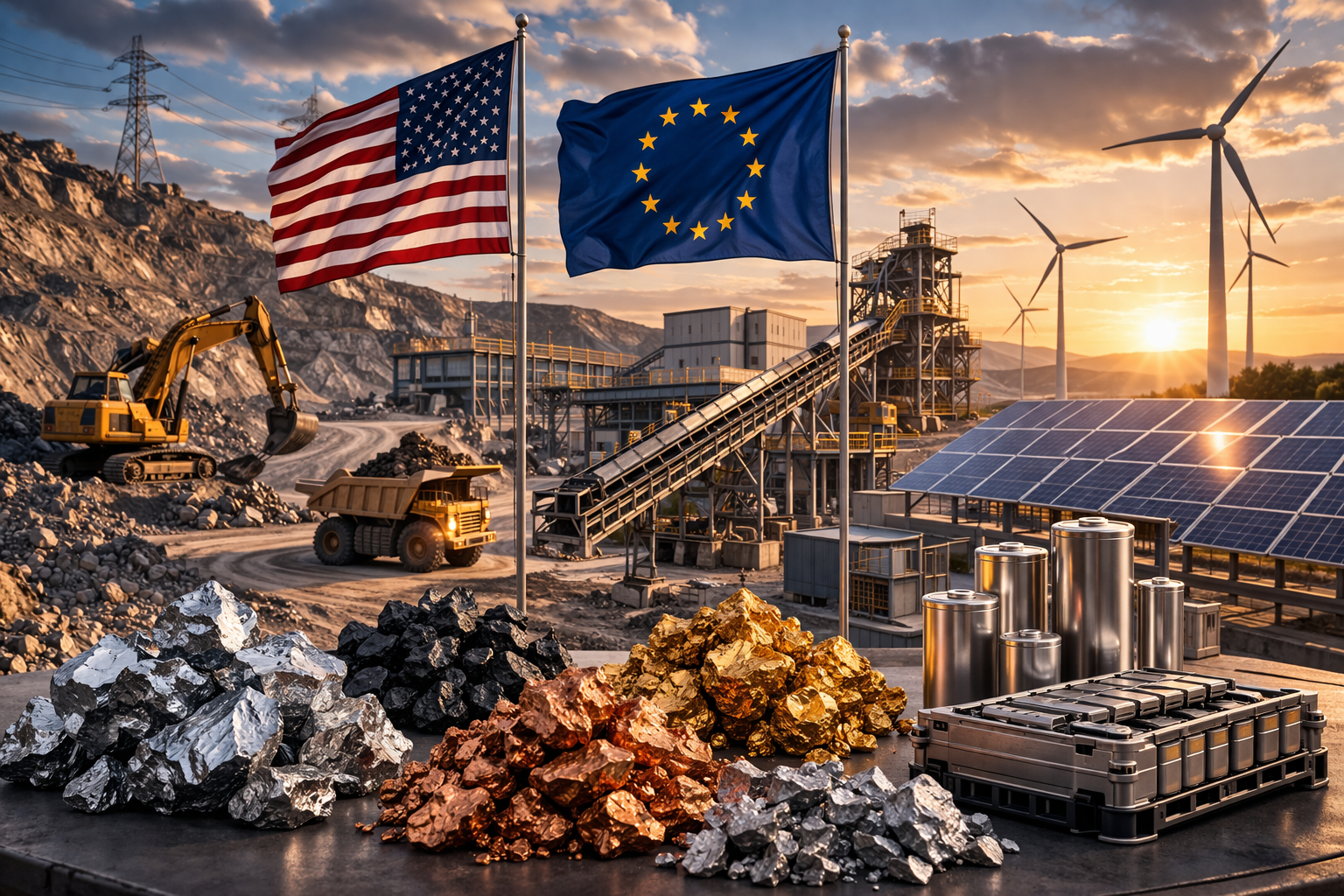
- Critical minerals used in advanced technologies
- Semiconductor supply chains
- Transportation and logistics infrastructure
- Advanced manufacturing capabilities
Canada is particularly well positioned in the global supply chain conversation due to its vast natural resources and close economic ties with major economies.
The country plays a key role in the production of commodities such as oil, uranium, nickel, and lithium—materials essential to energy systems, electric vehicles, and technology manufacturing.
Diplomatic partnerships aimed at securing these supply chains could have long-term implications for mining companies, infrastructure investments, and manufacturing sectors.
Defense and Security Spending Could Rise
Another area closely tied to geopolitical tensions is defense spending.
As security concerns rise globally, governments are increasing investments in defense infrastructure, military technology, and intelligence capabilities.
Canada has already signaled its intention to strengthen its defense commitments, particularly in cooperation with allied nations.
Defense spending tends to have ripple effects across several industries, including:
- Aerospace manufacturing
- Advanced electronics and communications systems
- Cybersecurity technology
- Logistics and transportation infrastructure
These sectors often benefit from government contracts and long-term procurement programs tied to national security initiatives.
For investors, defense-related spending can create opportunities in companies involved in aerospace engineering, advanced materials, and technology development.
Why Investors Are Paying Attention
The growing connection between geopolitics and financial markets has become a major theme in global investing.
Analysts at firms such as Bloomberg Intelligence and McKinsey have highlighted how geopolitical fragmentation is reshaping trade patterns and investment flows.
Rather than relying on purely globalized supply chains, companies and governments are increasingly prioritizing partnerships with trusted allies.
This trend—often referred to as “friend-shoring”—is influencing decisions about where companies build factories, source raw materials, and develop infrastructure.
Canada’s diplomatic engagement with countries such as Türkiye and the United Kingdom reflects this broader shift toward strengthening alliances in an uncertain global environment.
For investors, these developments can influence several key market areas:
- Commodity prices
- Defense industry growth
- Global trade patterns
- Currency fluctuations
Monitoring diplomatic developments can provide valuable insights into potential policy shifts and economic opportunities.
Future Trends to Watch
Several geopolitical trends could shape markets over the coming years.
Increasing Strategic Alliances
Countries are likely to deepen economic partnerships with allied nations to secure supply chains and trade routes.
Rising Defense Investments
Higher defense spending could support growth in aerospace, technology, and cybersecurity sectors.
Commodity Market Volatility
Geopolitical tensions may continue to influence oil, natural gas, and metals markets.
Infrastructure and Energy Cooperation
International partnerships could lead to new projects in energy infrastructure, including pipelines, LNG facilities, and renewable energy systems.
Each of these developments has the potential to influence global investment flows and sector performance.
Key Investment Insight
For investors, geopolitical developments are no longer a background factor—they are becoming a central driver of market dynamics.
Canada’s diplomatic engagements highlight how governments are working to navigate a complex global environment where security concerns, economic strategy, and resource competition intersect.
Investors may want to pay close attention to sectors that are particularly sensitive to geopolitical trends, including:
- Energy producers benefiting from oil price movements
- Defense and aerospace companies tied to rising security spending
- Mining firms supplying strategic commodities
- Infrastructure companies involved in global supply chain development
Understanding how diplomatic relationships shape economic policy can help investors anticipate shifts in market opportunities.
As geopolitical developments continue to influence markets, staying informed about the intersection of diplomacy and economics is becoming increasingly important for investors.
For deeper analysis of the global forces shaping commodities, energy markets, and international investment trends, stay connected with MoneyNews.Today, your trusted source for daily investor insights and financial news.