Clean-energy supply chains are facing a new wave of geopolitical pressure. As the U.S. tightens oversight of solar equipment linked to China, a major Canadian solar-panel producer has taken decisive action: restructuring its ownership to transfer assets from its Chinese subsidiary into Canadian hands. According to Bloomberg, the strategic shift aims to preserve the company’s access to the crucial U.S. renewable-energy market — a market increasingly defined by sanctions, trade restrictions, and heightened scrutiny under Washington’s evolving stance toward China.
The move highlights a growing pattern across North America’s clean-tech ecosystem. Energy manufacturers with any degree of China exposure are rethinking corporate structures, sourcing models, and supply-chain footprints amid intensifying U.S.–China policy tensions. For investors, this transition signals both risk and opportunity.
A Strategic Reshoring Move as U.S. Scrutiny Intensifies
The U.S. government has significantly ramped up enforcement of trade rules tied to solar imports from China. This includes:
- The Uyghur Forced Labor Prevention Act (UFLPA), which allows U.S. Customs to block goods suspected of being produced with forced labor.
- Tariff enforcement and anti-dumping rules, particularly on photovoltaic cells and modules made in China.
- Increased audits and supply-chain tracing requirements, especially for firms seeking incentives under the Inflation Reduction Act (IRA).
For a Canadian solar manufacturer with production ties to China, these tightening rules created a clear risk: even indirect exposure could jeopardize shipments to the U.S., which represents one of the fastest-growing solar markets globally.
Restructuring the company’s Chinese operations into Canadian ownership accomplishes two objectives:
- Reduces the perception of Chinese control, improving compliance visibility.
- Safeguards eligibility for U.S. market access, including IRA-related procurement categories and federal/state solar programs.
This type of corporate restructuring — while complex — is becoming an increasingly common strategy among global clean-tech players navigating U.S.–China tensions.
Why This Matters for Investors
1. Clean-tech supply chains are being redrawn
According to the International Energy Agency (IEA), China currently controls more than 80% of global solar module manufacturing and a substantial share of polysilicon production. As U.S. policy continues to pressure Chinese-linked supply, companies must either diversify or risk losing North American market access.
The Canadian firm’s restructuring exemplifies how manufacturers are adjusting in real time.
2. U.S. policy is shaping investment flows
Washington’s clean-energy incentives — particularly under the IRA — are strongly biased toward domestic or allied-nation supply chains. Companies capable of demonstrating:
- transparent sourcing,
- non-China-based ownership structures,
- and fully auditable supply chains
may see stronger demand from U.S.-based developers, utilities, and federal contractors.
This creates potential upside for firms that successfully reorganize to comply.
3. Companies slow to adapt face downside risks
Manufacturers that retain major Chinese operational ties could face:
- blocked shipments,
- disqualification from IRA-related incentive programs,
- punitive tariffs,
- or reputational risk with U.S. utilities and EPCs seeking “safe” procurement partners.
Investors should monitor earnings calls, corporate filings, and trade disclosures for signals that solar and clean-tech firms are repositioning their supply chains.
Broader Geopolitical Context: Shifting U.S.–China Trade Lines
Trade tensions between the U.S. and China have escalated sharply over the past five years — and solar technology sits at the center of the conflict. The Biden administration has repeatedly emphasized its goal of reducing “strategic dependency” on China for critical technologies including:
- solar panels,
- batteries,
- rare earth minerals,
- and grid hardware.
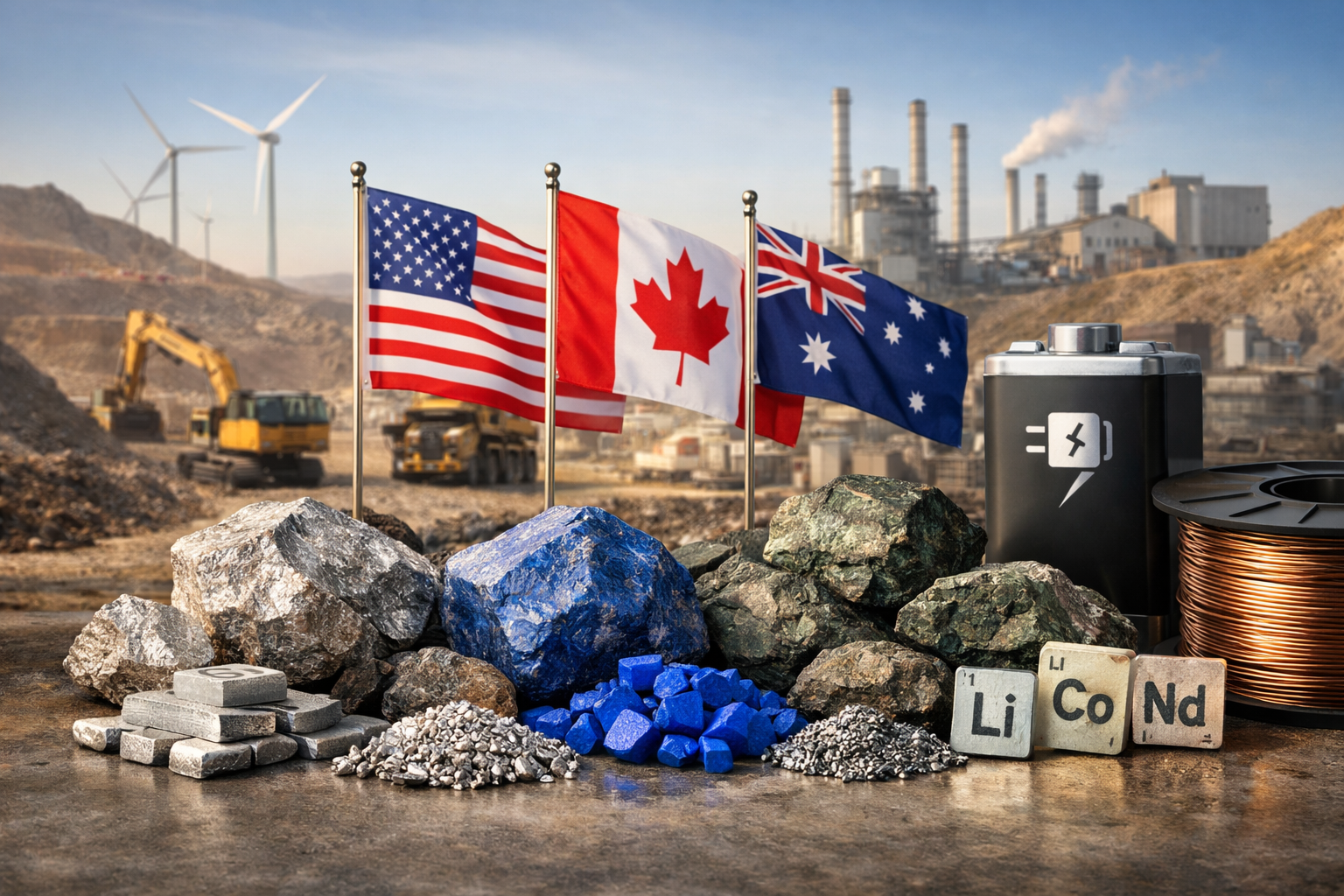
Canada, as a U.S. ally with strong trade ties and aligned regulatory frameworks, is positioned to benefit from supply-chain “friend-shoring.”
The Canadian government has also been encouraging domestic clean-tech manufacturing through tax credits, investment incentives, and support for renewable energy projects — giving firms additional motivation to localize assets.
Future Trends to Watch
1. Surge in M&A and asset transfers
Expect more companies — not just in solar but in batteries and EV components — to restructure or divest from Chinese-linked units to maintain U.S. market access.
2. Growing premium for compliant supply chains
Developers and utilities may increasingly prefer suppliers with transparent, audited, non-China-based operations, creating competitive advantages for those who meet U.S. requirements.
3. Potential for Canadian clean-tech expansion
As the U.S. pushes for diversified sources of solar hardware, Canada could emerge as a key manufacturing hub — especially if Ottawa aligns further with U.S. industrial policy.
4. Increased regulatory clarity by 2026
Analysts expect more formalized rules around tracing, trade compliance, and solar component audits, reducing uncertainty but elevating compliance costs.
Key Investment Insight
The restructuring by this Canadian solar manufacturer is not an isolated corporate maneuver — it is a clear signal of where clean-tech markets are heading. Investors should watch for companies actively reshaping their supply chains to align with U.S. regulatory expectations. Those that successfully re-shore or reorganize for compliance stand to gain improved market access, potentially stronger pricing power, and reduced political risk.
As clean-energy demand accelerates through the rest of the decade, the winners will be the firms that navigate geopolitical tension with agility, transparency, and strategic foresight.
Stay tuned with MoneyNews.Today for daily insights on how global policy shifts are shaping tomorrow’s investment landscape.