A pullback in commodities is pressuring Canadian equities in the near term, underscoring the volatility facing resource-heavy markets even during otherwise strong years. As energy and metals prices retreat, the Toronto Stock Exchange (TSX) has come under renewed pressure—yet beneath the surface, long-term fundamentals tied to electrification and artificial intelligence-driven infrastructure remain firmly in place.
For investors, the divergence between short-term market weakness and longer-term structural demand is becoming a defining theme across the metals and mining sector.
Commodities Cool After a Strong Run
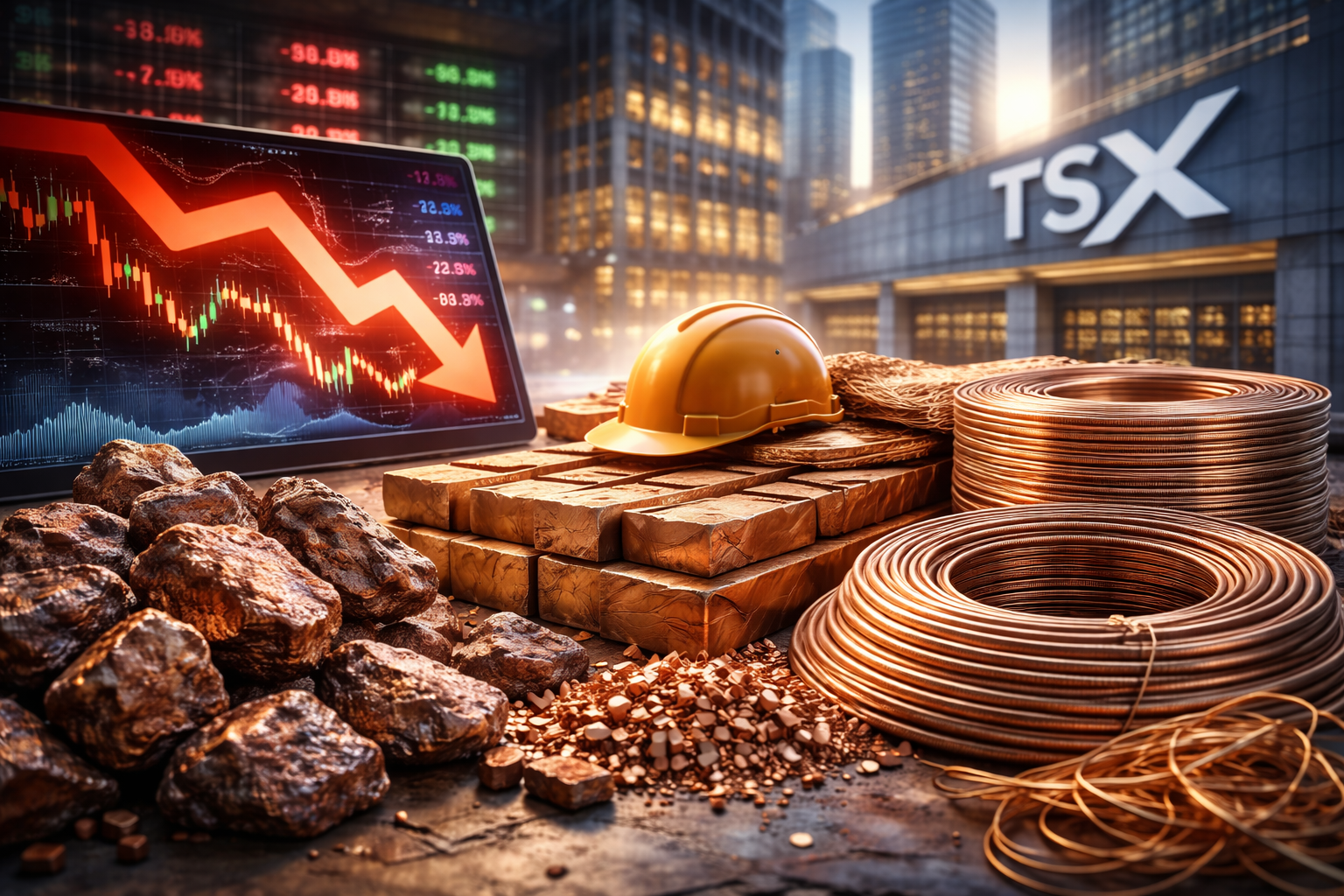
According to Reuters, the TSX has slipped as declines in energy and metals weigh on index performance, despite Canadian equities remaining on track for solid annual gains. Resource stocks, which make up a significant portion of the TSX, tend to magnify commodity price swings, making the index particularly sensitive to shifts in oil and base metals markets.
Recent weakness in crude oil prices and profit-taking in metals have contributed to the pullback. However, analysts note that this move follows a strong multi-month rally, suggesting consolidation rather than a fundamental reversal.
In the U.S., mining and materials stocks have shown similar patterns, reflecting broader uncertainty around global growth expectations and near-term demand signals.
Why This Matters for Investors
The current market environment highlights a familiar challenge for metals and mining investors: balancing cyclical volatility with long-term structural opportunity.
On one hand, commodities remain vulnerable to short-term macro factors such as interest rates, currency movements, and economic data. On the other, demand drivers tied to electrification, AI infrastructure, and energy transition are increasingly viewed as durable and multi-decade in nature.
For investors with exposure to Canadian and U.S. miners, this means price fluctuations can obscure the underlying investment case—particularly for metals like copper, which sit at the intersection of traditional industrial demand and emerging technology trends.
Copper Remains a Strategic Metal
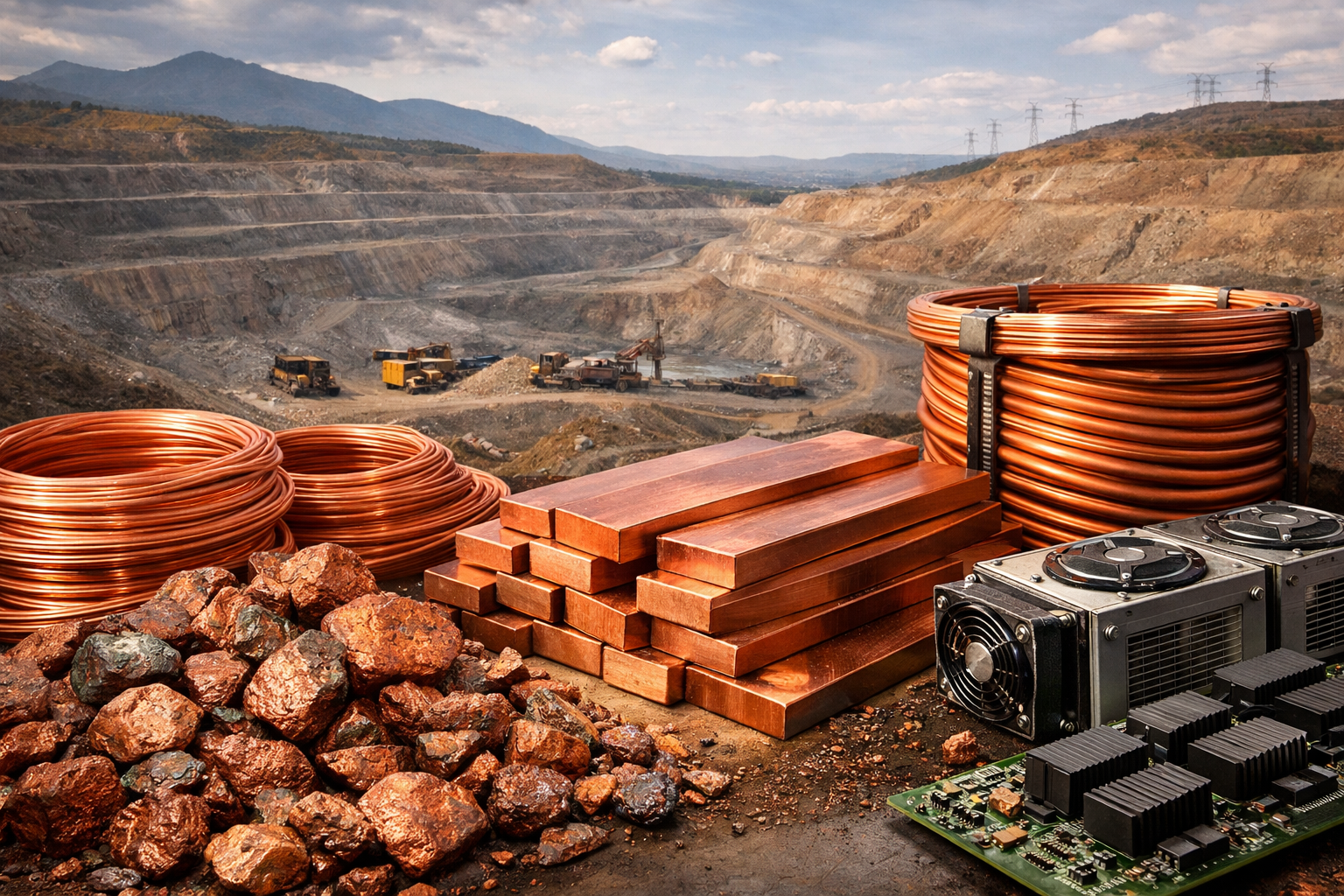
Despite recent price softness, copper markets remain structurally tight, supported by rising demand from AI data centers, renewable energy systems, and electric vehicle infrastructure. Industry analysts cited by Reuters have pointed to constrained mine supply, declining ore grades, and lengthy project development timelines as key factors limiting new output.
According to estimates from global research firms, copper demand linked to electrification and digital infrastructure is expected to grow steadily through the end of the decade. AI-driven data centers, for example, require significant copper for power distribution and cooling systems, while grid upgrades and renewable installations further strain supply.
This dynamic helps explain why many long-term investors continue to view copper as a strategic asset, even during periods of near-term price volatility.
Canada and the U.S. in Focus
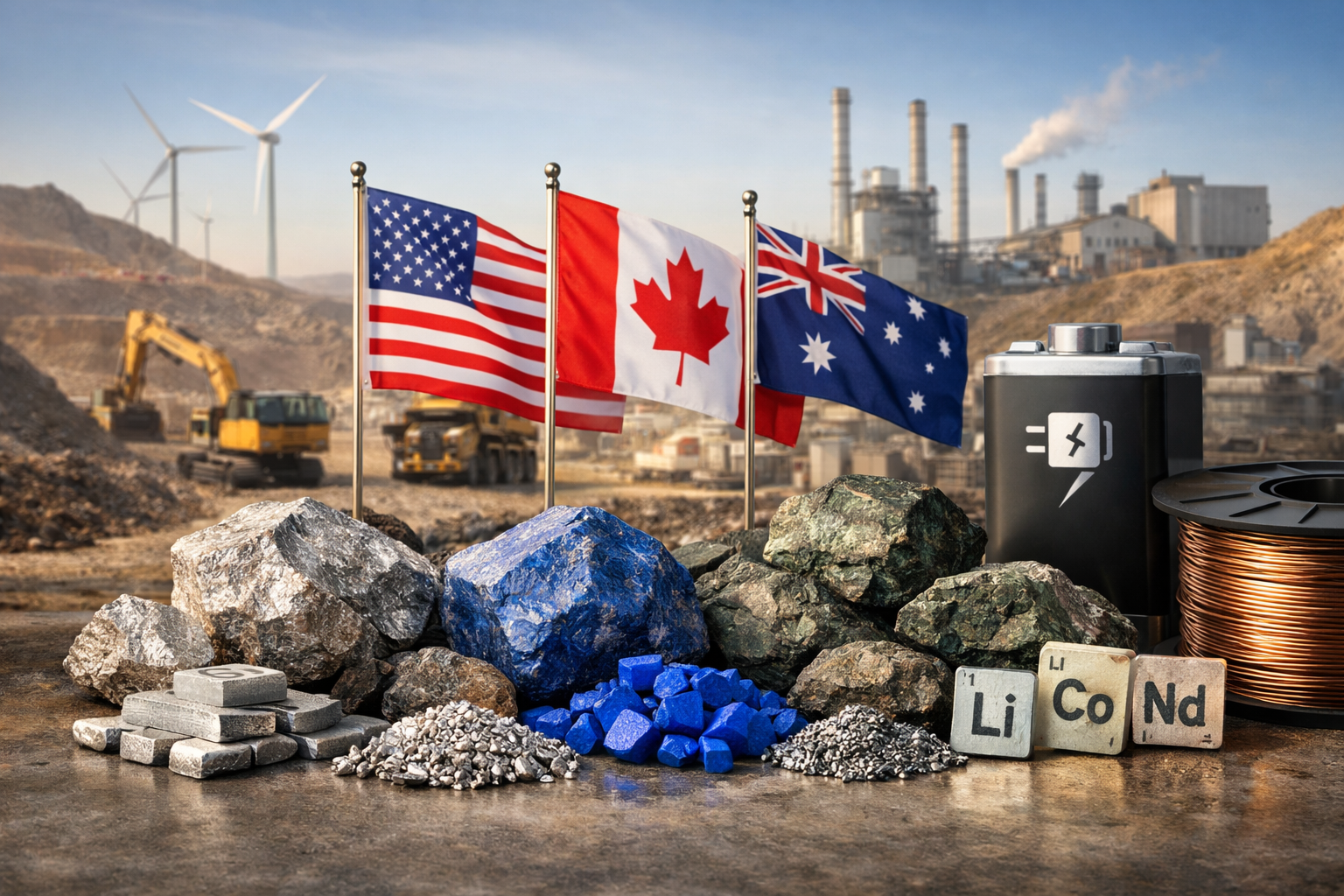
Canada and the United States are increasingly prioritizing domestic and allied supply chains for critical minerals. Government initiatives aimed at securing access to copper and other essential materials are reinforcing long-term demand expectations, particularly as geopolitical tensions and supply chain risks remain elevated.
In Canada, mining companies benefit from established infrastructure and policy support, while U.S. producers are seeing renewed interest tied to reshoring and infrastructure spending. According to official government releases and policy commentary, critical minerals are now central to national economic and security strategies.
For investors, this policy backdrop adds an additional layer of support to metals tied to advanced manufacturing and digital transformation.
Future Trends to Watch
Looking ahead, several developments could shape the metals and mining outlook:
Infrastructure Investment: Continued spending on power grids, transportation, and digital infrastructure could sustain demand for base metals despite economic slowdowns.
AI and Data Center Expansion: The rapid growth of AI workloads is driving significant electricity and materials requirements, reinforcing copper’s role in the tech ecosystem.
Supply Constraints: Limited new mine development and regulatory hurdles could keep supply tight, supporting prices over the long term even as short-term fluctuations persist.
However, investors should remain alert to cyclical risks, including slower global growth, stronger currencies, or shifts in monetary policy that could pressure commodity prices in the near term.
Risks and Volatility Ahead
Metals and mining equities remain inherently volatile. Price swings in underlying commodities can quickly translate into equity performance, and operational risks—such as cost inflation or project delays—can amplify market reactions.
Analysts often recommend a diversified approach, balancing exposure across producers, developers, and royalty or streaming companies to manage risk while maintaining upside to structural demand themes.
Key Investment Insight
Short-term weakness in commodities is weighing on Canadian and U.S. mining stocks, but the long-term investment case for metals tied to electrification and AI infrastructure—particularly copper—remains compelling. Investors may consider using periods of volatility to reassess exposure to high-quality producers aligned with long-term demand trends, while maintaining disciplined risk management.
As markets navigate shifting macro signals and evolving resource dynamics, metals and mining remain a critical lens for understanding the future of technology and infrastructure. Stay with MoneyNews.Today for daily, investor-focused insights on commodities, global markets, and the forces shaping tomorrow’s economy.