Copper is once again commanding global market attention as prices climb toward historic highs, reigniting investor interest in industrial metals at a time when macro uncertainty remains elevated. Often viewed as a barometer of global economic health, copper’s latest surge reflects a powerful mix of shifting import dynamics, tariff-driven arbitrage, and structurally tight supply — factors that are reshaping how investors think about commodities in 2026.
As reported by Yahoo Finance, copper prices have been propelled higher by increased import demand and pricing distortions across regions, pushing the metal closer to record territory. This move comes alongside renewed interest in traditional safe havens like gold, highlighting how investors are increasingly positioning for both growth and inflation protection.
What’s Driving Copper’s Latest Rally
The recent rally in copper is not the result of a single catalyst but rather a convergence of global forces. One key driver is tariff arbitrage, where traders and manufacturers rush to secure copper ahead of potential trade restrictions or pricing changes. This has boosted near-term demand and tightened availability in key markets.
At the same time, infrastructure spending remains resilient across major economies. Electrification projects, renewable energy expansion, electric vehicle adoption, and grid upgrades all require substantial copper inputs. According to industry data frequently cited by Bloomberg and global mining analysts, clean energy and electrification alone are expected to account for a growing share of copper demand over the next decade.
Supply, however, has struggled to keep pace. Aging mines, declining ore grades, labor disruptions, and regulatory hurdles in major producing countries have constrained output growth, reinforcing the bullish supply-demand imbalance.
Why This Matters for Investors
For investors, copper’s move toward record highs carries broader implications beyond the metals market. Historically, rising copper prices have been associated with periods of economic expansion and increased capital investment. The current rally suggests that despite geopolitical uncertainty and uneven global growth, underlying demand for industrial inputs remains strong.
This dynamic is particularly relevant as investors reassess portfolio positioning in early 2026. While equities continue to attract inflows, commodities are regaining attention as inflation hedges and diversification tools. Copper, in particular, sits at the intersection of growth and protection — benefiting from infrastructure demand while offering insulation against currency debasement and rising costs.
Yahoo Finance notes that increased interest in industrial metals is occurring alongside steady demand for gold, indicating that investors are not choosing between risk-on and defensive assets, but rather blending both strategies.
Import Shifts and Global Trade Implications
Changes in global trade flows are amplifying copper’s price action. Importers are adjusting sourcing strategies in response to geopolitical tensions, evolving trade policies, and supply chain reconfiguration. This has led to regional price dislocations and accelerated buying, especially in markets seeking to secure long-term supply.
Such behavior can exacerbate short-term price spikes while also reinforcing longer-term structural tightness. Analysts caution that these dynamics can increase volatility, particularly if trade negotiations or tariff frameworks shift unexpectedly.
For mining companies and producers, higher prices are supportive — but execution risk remains. Cost inflation, permitting delays, and political risk in resource-rich regions continue to weigh on long-term project development.
How Copper Fits into the 2026 Commodity Landscape
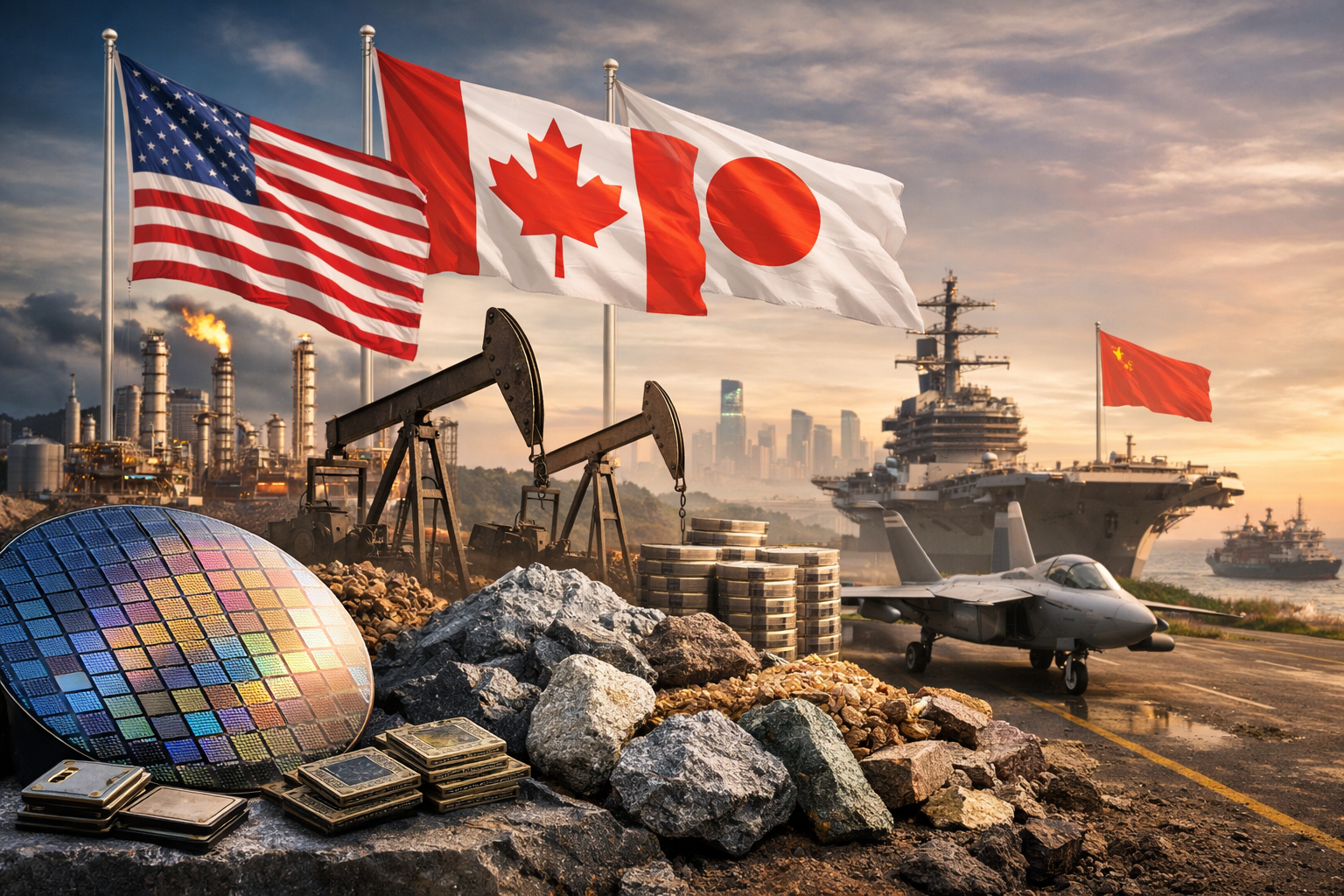
Copper’s strength is part of a broader trend across commodities, where industrial metals are increasingly viewed as strategic assets rather than cyclical trades. Governments worldwide are prioritizing domestic supply chains for critical materials, while investors recognize the role of metals in enabling energy transition goals.
McKinsey and other consulting firms have highlighted that global copper demand could significantly outpace supply growth later this decade without substantial new investment. That outlook is already influencing long-term price expectations and equity valuations within the mining sector.
However, higher prices alone do not guarantee smooth performance. Supply chain constraints, logistical bottlenecks, and environmental regulations could introduce sharp swings, making disciplined exposure essential.
Risks Investors Should Watch
Despite the bullish narrative, risks remain. A slowdown in global growth, particularly in major manufacturing hubs, could dampen demand. Additionally, sudden policy shifts — such as tariff rollbacks or trade agreements — could unwind some of the arbitrage-driven price pressures.
Supply-side surprises, including faster-than-expected mine expansions or strategic stockpile releases, could also cap upside. Investors should remain alert to these variables, especially as copper trades near historically significant levels.
Key Investment Insight
Rising copper prices underscore the strategic importance of industrial metals in portfolios positioned for infrastructure demand and inflation protection. Investors may benefit from selective exposure to copper producers, diversified mining companies, or commodity-linked instruments — while remaining mindful of supply constraints and trade-driven volatility.
For ongoing coverage of commodities, global markets, and investor-focused analysis, stay connected with MoneyNews.Today, your trusted source for daily financial insights and market intelligence.