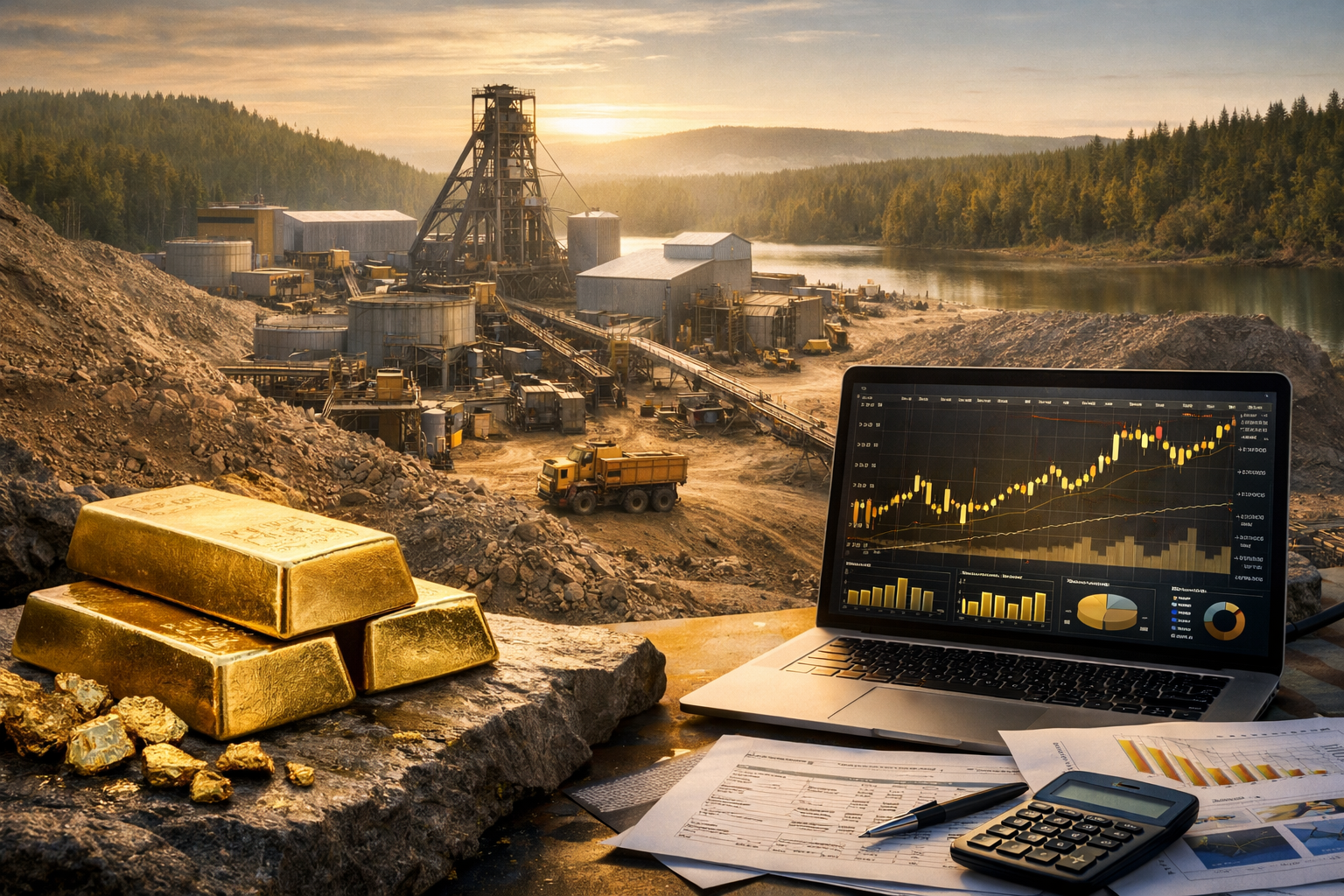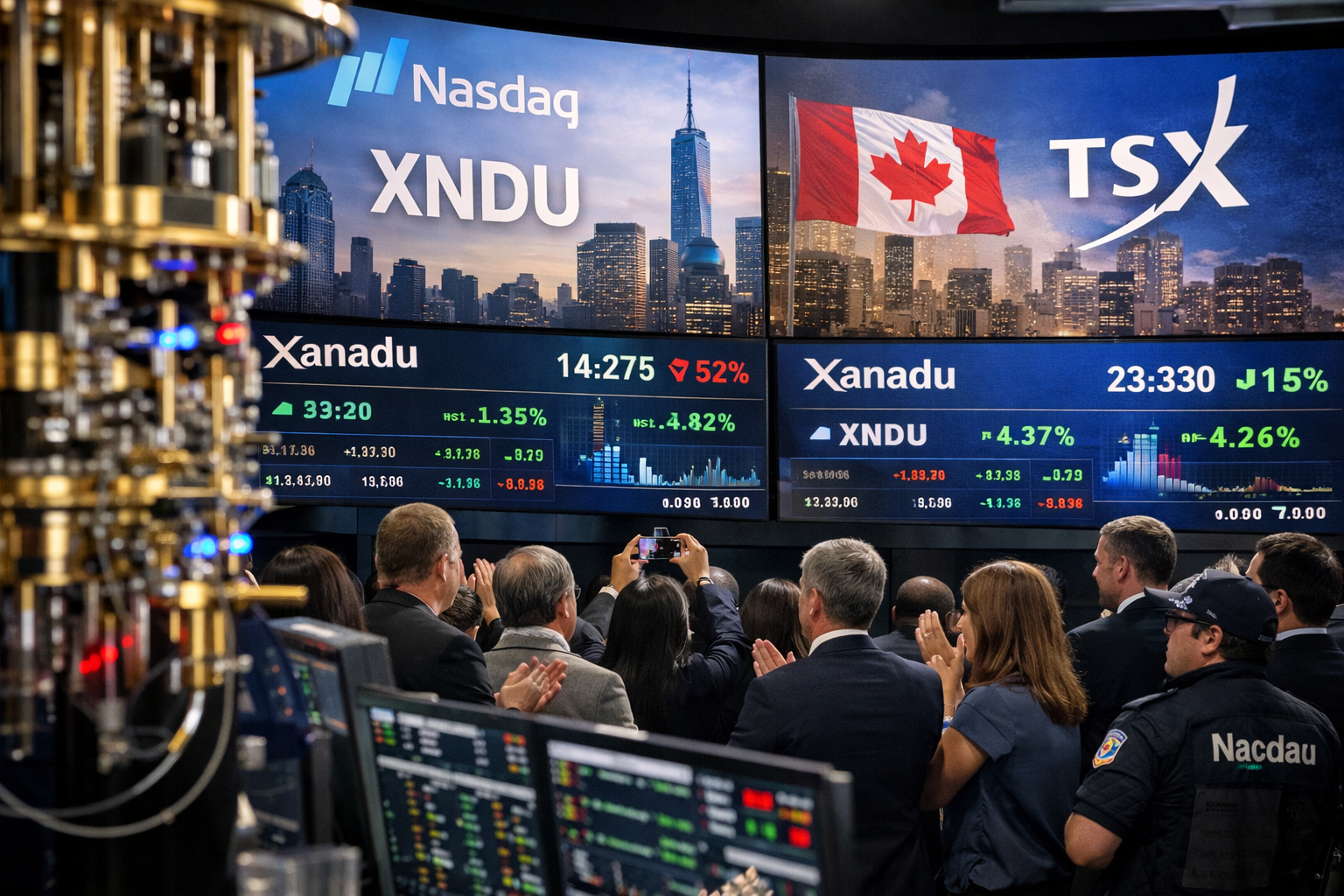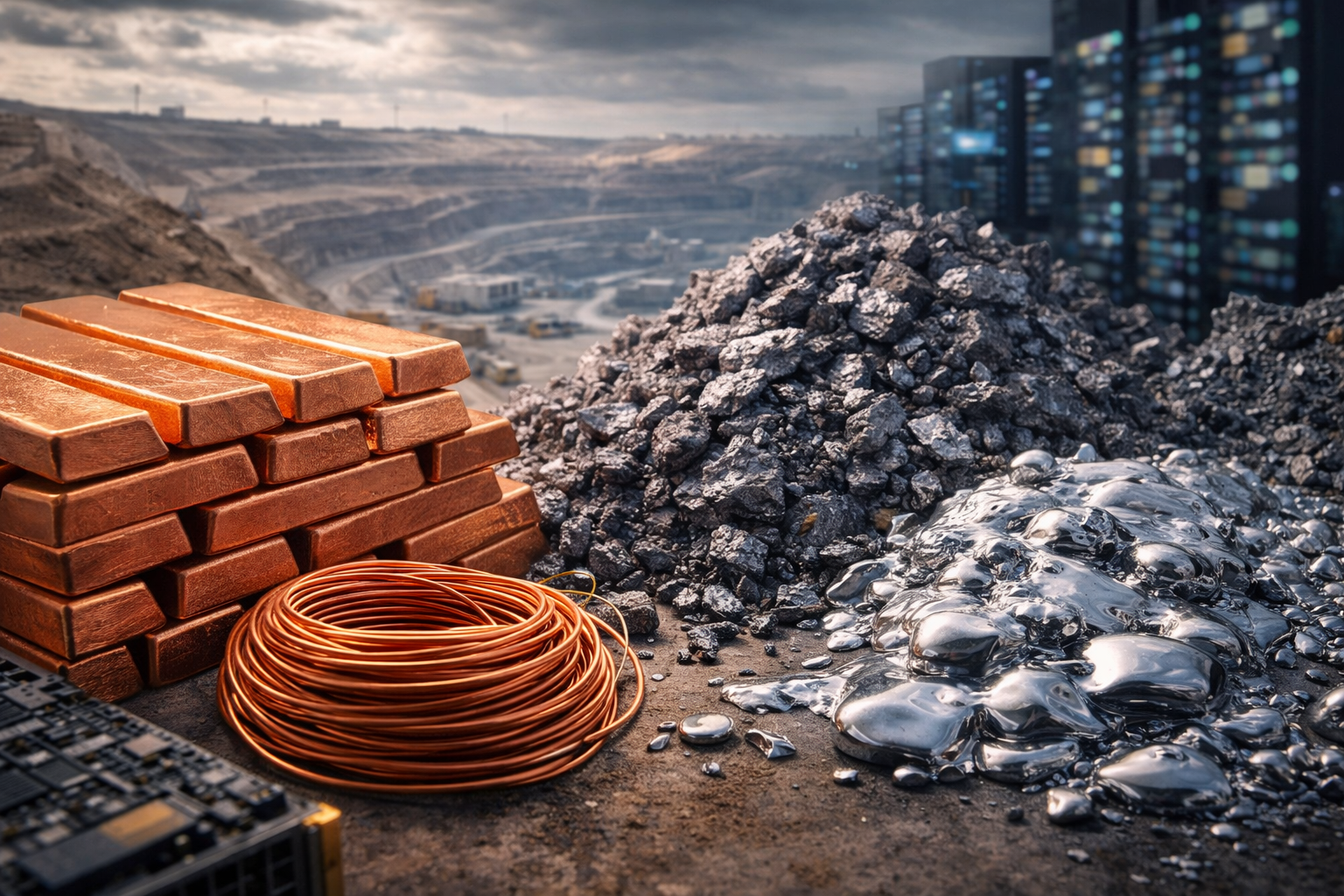
Artificial intelligence may be transforming software and cloud computing, but behind the scenes another industry is rapidly gaining strategic importance: critical minerals mining.
From advanced semiconductors to AI data centers and defense technologies, the global surge in computing power is fueling an equally powerful demand for specialized metals such as gallium, germanium, and copper. As AI infrastructure expands worldwide, governments and corporations are racing to secure reliable supplies of these essential materials.
According to reporting from Reuters and industry mining reports, the rising demand for semiconductor-related metals is already reshaping global supply chains and accelerating acquisitions across the mining sector.
For investors, the shift highlights a powerful long-term theme: the AI revolution is not just a technology story—it is also a resources story.
The Hidden Materials Powering the AI Boom
Artificial intelligence systems require enormous computing power. Training advanced models, operating cloud-based AI platforms, and manufacturing high-performance chips all depend on materials that enable the electronics industry to function.
Several metals have become especially critical to this ecosystem.
Gallium is used in semiconductor compounds that enable high-frequency and high-efficiency electronics. These materials are essential in technologies ranging from AI chips to telecommunications equipment.
Germanium plays a crucial role in fiber optics, infrared technologies, and specialized semiconductors used in advanced electronics.
Copper, meanwhile, remains the backbone of modern electrification. AI data centers, power infrastructure, and semiconductor fabrication facilities all rely heavily on copper wiring and electrical components.
As AI adoption accelerates, demand for these materials is increasing rapidly.
Industry analysts cited in mining sector reports note that AI data centers alone can require vast quantities of copper for electrical infrastructure and cooling systems. Meanwhile, semiconductor fabrication relies on a variety of rare and specialty metals that are often produced in limited quantities globally.
Strategic Supply Chains Are Becoming a National Priority
The growing importance of semiconductor-related minerals has elevated them from industrial commodities to strategic resources.
Governments around the world are increasingly focused on securing supply chains for these materials. Many countries view access to critical minerals as essential for maintaining technological leadership and national security.
The United States, Canada, and European nations have all launched initiatives aimed at strengthening domestic supply chains for critical minerals.
In North America, the U.S. government has introduced policies encouraging domestic mining and refining through legislation such as the CHIPS and Science Act and other industrial initiatives focused on technology resilience.
These policies are designed to reduce reliance on foreign sources of key materials while supporting the growth of domestic semiconductor manufacturing.
The geopolitical dimension of critical minerals has become particularly evident in recent years as global supply chains face increasing fragmentation.
Mergers and Acquisitions Accelerate Across the Mining Sector
As demand for critical minerals rises, mining companies are increasingly pursuing acquisitions to secure valuable assets.
Industry analysts report a growing wave of strategic deals involving projects rich in semiconductor-related metals. Exploration companies with deposits of gallium, germanium, and other specialty minerals are attracting greater attention from larger mining firms and investors.
According to Reuters and industry data, mining companies are particularly focused on:
- securing deposits in politically stable jurisdictions
- expanding production capacity for semiconductor-related minerals
- developing projects near major manufacturing hubs
These strategies reflect the growing recognition that resource security is becoming a key competitive advantage.
For investors, this consolidation trend could create opportunities in both established producers and emerging exploration companies.
Copper: The Backbone of the AI Infrastructure Economy
While gallium and germanium play critical roles in specialized semiconductor technologies, copper remains one of the most important metals supporting the AI economy.
AI data centers are among the most energy-intensive facilities ever built. These massive computing hubs require enormous electrical infrastructure to power thousands of high-performance processors.
Copper is essential in:
- power distribution systems
- cooling infrastructure
- networking hardware
- semiconductor fabrication facilities
Industry analysts frequently refer to copper as “the metal of electrification.”
As AI adoption accelerates across industries—from finance and healthcare to autonomous systems—the demand for electricity and computing infrastructure is expected to grow substantially.
That trend could significantly boost long-term demand for copper.
According to research cited in industry reports, global copper demand could rise sharply over the next decade as electrification and digital infrastructure expand simultaneously.
Why Investors Are Paying Attention
For investors, the surge in demand for critical minerals reflects a powerful structural trend shaping global markets.
The AI boom is creating new demand across multiple industries, including:
- semiconductor manufacturing
- data-center construction
- advanced electronics production
- telecommunications infrastructure
- defense technology development
Each of these sectors relies heavily on specialized metals and minerals.
As a result, mining companies that control deposits of strategic materials may benefit from long-term demand growth.
Analysts also point out that supply constraints could further support higher prices for certain critical minerals.
Unlike commodities such as oil or iron ore, many specialty metals are produced in relatively small quantities and often require complex extraction and refining processes.
Developing new mines can take years or even decades, meaning supply growth may struggle to keep pace with rising demand.
Future Trends Investors Should Watch
The expanding role of critical minerals in the technology economy highlights several trends investors should monitor closely.
Growing Demand for Semiconductor Metals
As semiconductor production expands globally, demand for gallium, germanium, and related materials is likely to increase.
Expansion of AI Infrastructure
The construction of new data centers and AI computing facilities could drive sustained demand for copper and other industrial metals.
Government Support for Mining Projects
Governments may continue introducing incentives to encourage domestic production of critical minerals.
Rising Exploration Activity
Exploration companies developing projects containing semiconductor-related metals could attract increased investor attention.
Key Investment Insight
The global AI boom is creating a powerful ripple effect across industries—and the mining sector may be one of the biggest beneficiaries.
Critical minerals used in semiconductors and advanced electronics are becoming increasingly valuable as artificial intelligence infrastructure expands.
Investors should consider monitoring companies involved in:
- exploration and production of semiconductor-related metals
- copper mining and electrification infrastructure
- refining and processing of specialty minerals
- supply chain technologies supporting critical resources
Companies positioned within these supply chains may benefit from the long-term growth of AI, semiconductor manufacturing, and advanced technology industries.
The Resource Economy Behind the AI Revolution
The rapid growth of artificial intelligence is often discussed in terms of software, algorithms, and computing power.
Yet behind every AI breakthrough lies a vast network of mines, processing facilities, and industrial supply chains delivering the materials that make advanced technology possible.
As demand for AI infrastructure continues to grow, critical minerals are likely to play an increasingly central role in global markets.
For investors seeking to understand the deeper forces shaping the technology economy, the mining sector offers valuable insights—and potential opportunities.
Stay informed with MoneyNews.Today for daily investor insights, market analysis, and the latest trends shaping global industries.