The global macro environment just delivered a stress test—and crypto didn’t flinch.
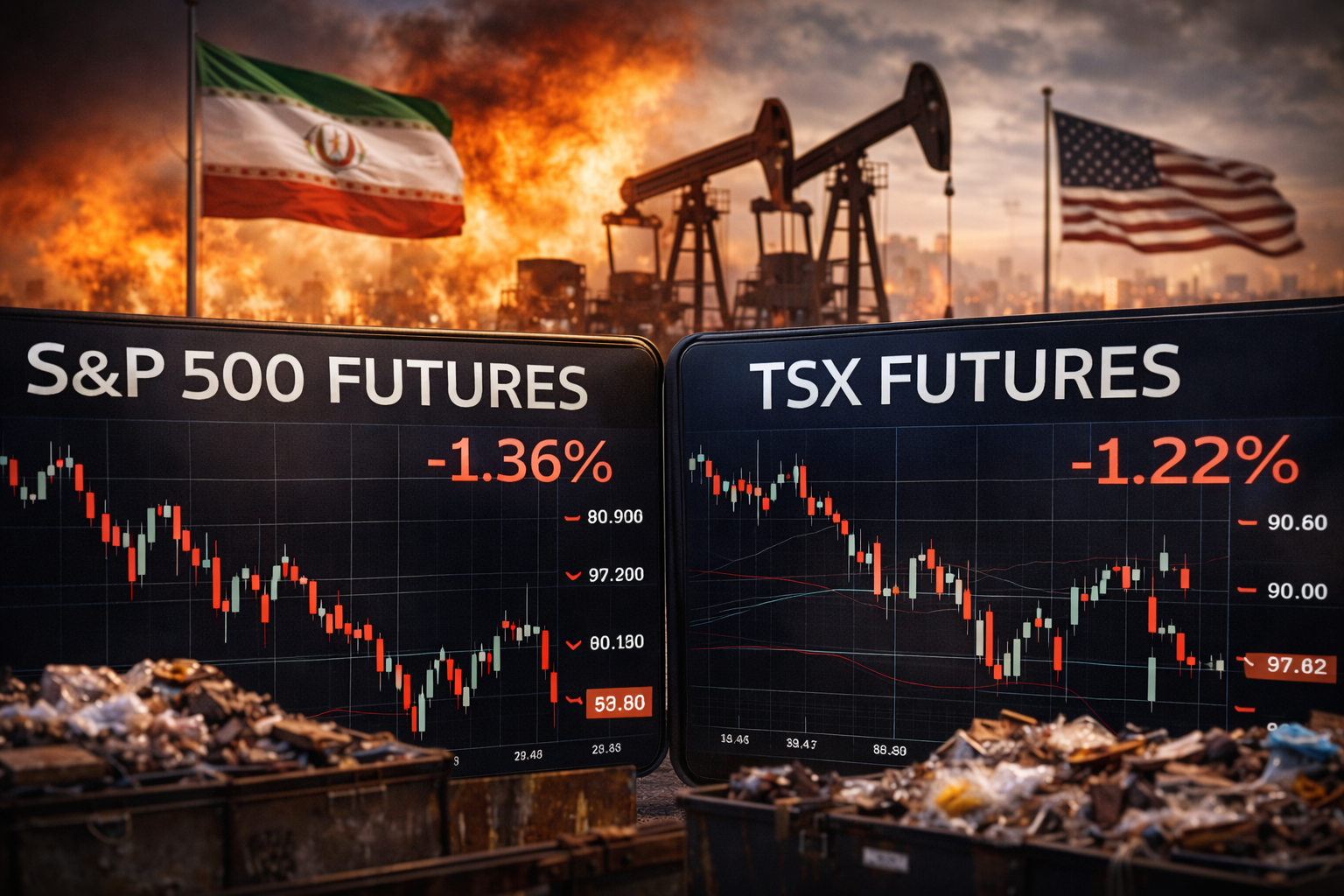
As geopolitical tensions escalated sharply following renewed U.S.–Iran friction, oil prices surged and equity markets turned volatile. Traditionally, such macro shocks trigger broad risk-off behavior, sending speculative assets lower. But this time, something different happened: Bitcoin held its ground.
While global equities wavered and energy markets spiked, crypto markets showed relative resilience, signaling a potential shift in how digital assets behave under stress. According to reports from Reuters and Investing.com (April 13, 2026), Bitcoin’s stability amid rising geopolitical risk is drawing increased attention from institutional investors.
For markets, this may mark the beginning of a deeper structural change.
A Real-Time Stress Test for Crypto Markets
The latest geopolitical escalation sent shockwaves through traditional financial markets. Oil prices jumped sharply on fears of supply disruption, while equities reflected uncertainty around inflation and global growth.
Historically, crypto assets have behaved like high-beta risk trades, often declining alongside equities during macro stress. But in this instance, Bitcoin and broader crypto markets displayed unexpected stability.
Rather than selling off aggressively, Bitcoin remained relatively range-bound—suggesting that:
- Selling pressure was limited
- Institutional positioning may be absorbing volatility
- Crypto is no longer purely retail-driven
This divergence is subtle, but significant.
Why This Matters for Investors
The implications of crypto’s resilience go beyond short-term price action. It raises a fundamental question: Is crypto evolving into a macro asset class with a distinct role in portfolios?
1. Institutional Flows Are Changing Market Behavior
Over the past year, institutional participation in crypto has increased meaningfully. The rise of regulated investment vehicles, improved custody solutions, and clearer regulatory frameworks have made digital assets more accessible to large capital allocators.
As a result:
- Market depth has improved
- Volatility is being dampened during shocks
- Price movements are increasingly driven by macro flows
Bitcoin’s ability to hold steady during geopolitical stress suggests that institutional capital may now be acting as a stabilizing force.
2. Crypto as a Liquidity-Sensitive Macro Asset
One of the most important shifts underway is how crypto correlates with global liquidity.
Traditionally, investors have viewed Bitcoin as:
- A speculative asset
- A hedge against fiat debasement
- A proxy for tech risk sentiment
But recent market behavior suggests a more nuanced reality. Crypto is increasingly responding to:
- Central bank liquidity conditions
- Real interest rates
- Global capital flows
In this framework, Bitcoin behaves less like a speculative instrument and more like a liquidity-sensitive macro hedge—similar in some ways to gold, but with higher volatility and growth potential.
3. Decoupling From Equities: Signal or Noise?
The key development investors are watching is whether crypto can decouple from traditional risk assets, particularly equities.
During previous market shocks, Bitcoin often moved in tandem with tech stocks. But the current divergence—however modest—suggests that:
- Crypto may be carving out its own demand drivers
- Portfolio diversification benefits could be increasing
- Correlation structures are evolving
If sustained, this decoupling could have major implications for asset allocation strategies.
The Role of Energy Markets and Inflation Expectations
The oil surge tied to geopolitical tensions is not just a headline—it’s a macro catalyst.
Higher energy prices feed directly into:
- Inflation expectations
- Central bank policy outlooks
- Real interest rates
For crypto, this creates a complex dynamic.
On one hand, rising inflation concerns can support the narrative of Bitcoin as a hedge against fiat currency erosion. On the other, higher interest rates and tighter liquidity conditions can pressure risk assets.
The fact that Bitcoin held steady amid this tension suggests that market participants are reassessing its role.
Credible Signals From the Market
According to Reuters coverage on April 13, 2026, crypto markets showed measured reactions compared to traditional assets following the geopolitical escalation. Meanwhile, Investing.com data highlighted that Bitcoin’s volatility remained contained relative to prior macro events.
This aligns with broader industry observations:
- Volatility compression during stress events
- Increased participation from long-term holders
- Reduced leverage-driven liquidations
Together, these signals point toward a maturing market structure.
Future Trends to Watch
As crypto continues to evolve, several key trends will determine whether this resilience is temporary—or transformational.
Structural Institutional Adoption
Institutional involvement is likely to deepen, particularly if crypto continues to demonstrate stability during macro shocks. Pension funds, sovereign wealth funds, and asset managers are closely watching these dynamics.
Regulatory Clarity as a Catalyst
Ongoing regulatory developments in the U.S. and globally will play a crucial role in shaping market structure. Clearer frameworks could accelerate institutional inflows and further stabilize markets.
Integration With Traditional Finance
The lines between crypto and traditional finance are blurring. As digital assets become more integrated into mainstream financial systems, their behavior may increasingly reflect hybrid characteristics—part risk asset, part macro hedge.
Volatility as an Opportunity
Even as markets mature, crypto is unlikely to lose its volatility entirely. For active investors, this creates opportunities in:
- Options strategies
- Arbitrage trades
- Tactical allocation shifts
Risks Investors Should Consider
Despite encouraging signs, investors should remain cautious:
- Macro tightening: If liquidity conditions deteriorate sharply, crypto could still face downside pressure
- Geopolitical escalation: Further instability could trigger broader risk-off sentiment
- Regulatory surprises: Unexpected policy changes remain a key risk factor
Crypto’s evolution does not eliminate risk—it changes its nature.
Key Investment Insight
Crypto is no longer just a speculative trade—it’s becoming a macro-sensitive asset with evolving portfolio relevance.
The current market behavior suggests that:
- Institutional flows are reshaping price dynamics
- Correlations with equities may be weakening
- Crypto could play a role as a diversifier in multi-asset portfolios
For investors, the key is not just whether crypto rises or falls—but how it behaves relative to other assets.
Monitoring correlation trends, liquidity conditions, and institutional positioning will be critical in identifying the next phase of opportunity.
The Bigger Picture
What we’re witnessing is not just resilience—it’s a potential redefinition.
Crypto markets are being tested in real time by macro shocks, and their response is beginning to challenge long-held assumptions. If Bitcoin continues to hold firm during periods of stress, it could fundamentally alter how investors view digital assets.
That shift won’t happen overnight—but the signals are emerging.
Stay with MoneyNews.Today for daily, data-driven insights as we track the intersection of crypto, macroeconomics, and global markets—helping you stay ahead in an increasingly complex investment landscape.