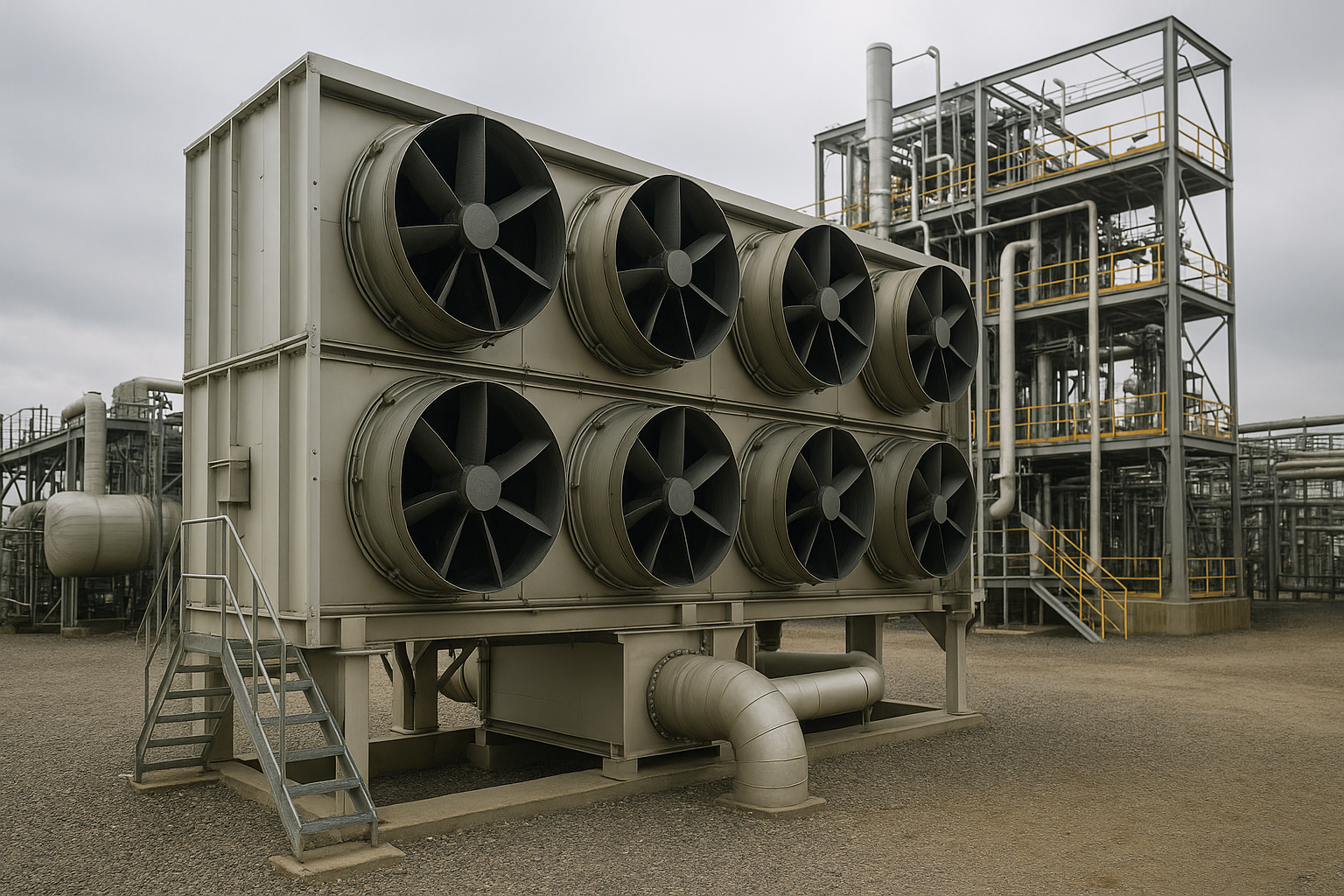
Deep Sky, a Canadian carbon-removal project developer, has officially initiated operations of its new Direct Air Capture (DAC) facility in Canada, marking a significant milestone in climate-tech innovation. This facility is designed to capture carbon dioxide (CO₂) directly from the atmosphere, a cutting-edge approach in the global effort to combat climate change. The project is being developed in collaboration with aerospace giant Airbus, reflecting increasing corporate and institutional commitments to decarbonization and sustainability infrastructure.
As governments and businesses worldwide accelerate their climate commitments, investments in technologies like DAC are gathering momentum, opening a promising frontier for investors in emerging clean technologies.
Why This Development Matters for Investors
Carbon capture and removal technologies, particularly DAC, are increasingly viewed as essential components in achieving net-zero emissions targets. Unlike traditional carbon capture methods that focus on emissions at the source, DAC systems actively remove CO₂ already present in the atmosphere, addressing both historical and ongoing emissions.
Deep Sky’s Canadian facility represents one of the most advanced commercial deployments of DAC technology, highlighting Canada’s growing role in climate-tech innovation and clean infrastructure development. The collaboration with Airbus, a leader in sustainable aviation, signals strong market validation and potential pathways for scaling these solutions globally.
Core Analysis: The Emerging DAC Market and Investment Potential
The Growing Importance of Carbon Removal
To meet global climate goals, experts agree that emission reductions alone won’t suffice — atmospheric carbon removal is necessary. The International Energy Agency (IEA) estimates that by 2050, the world will need to remove between 5 to 10 gigatonnes of CO₂ annually, with DAC playing a critical role.
Technological and Corporate Momentum
Deep Sky’s project leverages advancements in DAC to improve efficiency and reduce costs, making commercial viability more attainable. Collaboration with major corporations like Airbus exemplifies how private-sector players are integrating carbon removal into broader sustainability strategies.
Policy and Financial Drivers
Government policies, including Canada’s clean technology incentives and U.S. Inflation Reduction Act provisions, are boosting funding and support for carbon removal projects. Institutional investors are increasingly directing capital toward climate tech startups and infrastructure funds focused on decarbonization solutions.
Future Trends to Watch
- Scaling DAC Capacity: Continued technological improvements and cost reductions will be critical to scaling DAC solutions. Monitoring pilot projects and commercial rollouts will offer insight into the sector’s trajectory.
- Integration with Carbon Markets: The development of robust carbon credit markets can incentivize DAC adoption, creating revenue streams for project developers and investors alike.
- Corporate Sustainability Commitments: As companies pledge net-zero targets, demand for carbon removal services is expected to surge, potentially driving strategic partnerships and M&A activity in the sector.
- Government Policy Evolution: Tracking regulatory frameworks and subsidies will be essential for assessing investment risks and opportunities in carbon capture technologies.
Key Investment Insight
For investors, Deep Sky’s launch represents a tangible step forward in the commercialization of carbon removal technology—a sector poised for substantial growth amid rising climate commitments. Allocating capital to clean-tech firms specializing in DAC and related infrastructure may offer attractive risk-adjusted returns as global decarbonization efforts intensify.
Investors should consider exposure to climate tech innovation funds, venture capital portfolios focused on sustainability, or individual companies advancing carbon removal solutions. However, given the nascent nature of DAC technologies, careful evaluation of technological scalability, regulatory landscape, and market adoption timelines is advised.
Stay connected with MoneyNews.Today for ongoing analysis and updates on emerging industries shaping the future of sustainable investing.