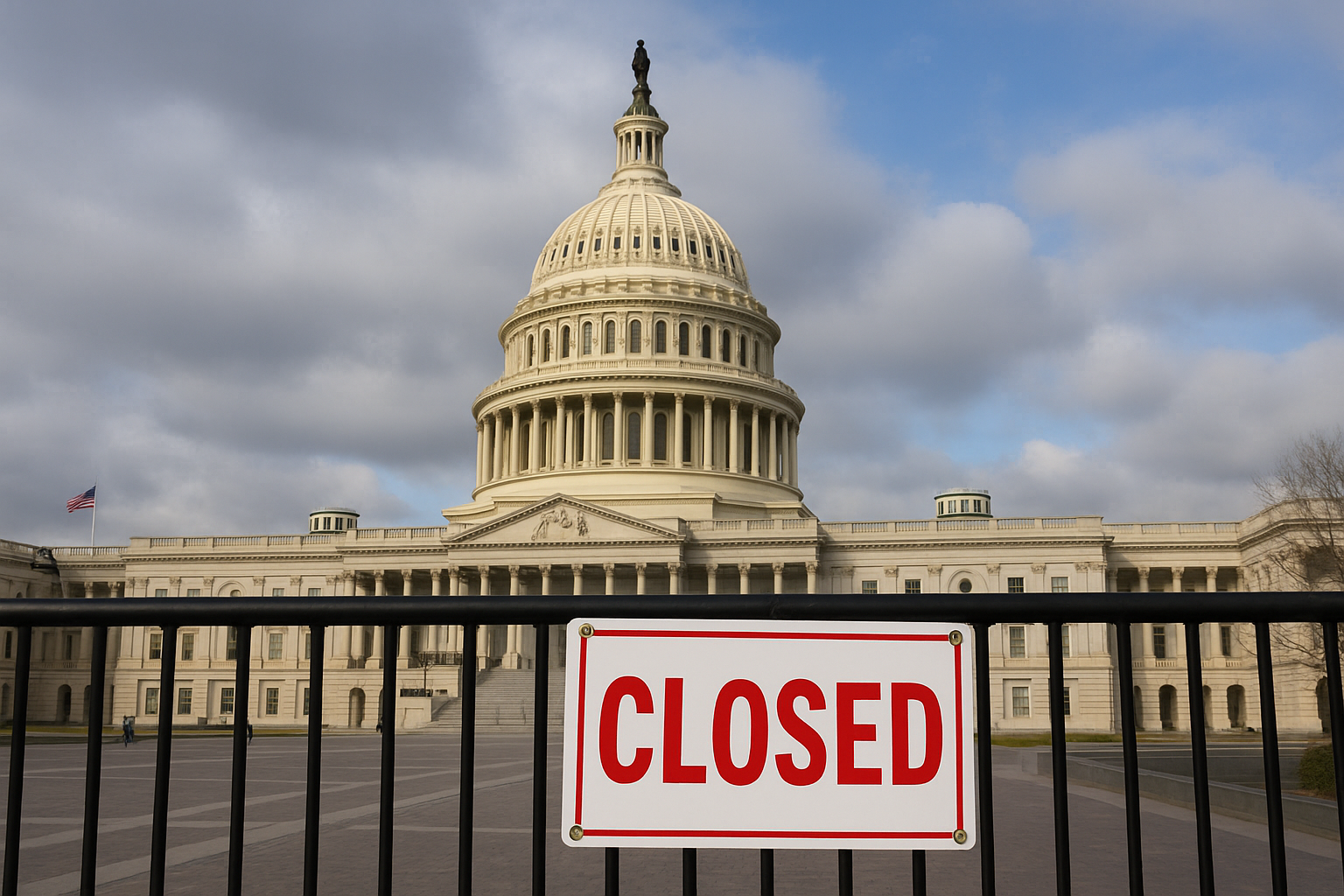
As the U.S. federal government shutdown stretches past its 30-day mark, financial markets are beginning to reflect growing unease over Washington’s deepening political gridlock. In a move stirring both outrage and momentum, President Donald Trump publicly urged the Senate to eliminate the filibuster rule, calling it an outdated procedural barrier standing in the way of critical legislation needed to end the impasse.
The shutdown, now one of the longest in U.S. history, has disrupted federal services, delayed pay for hundreds of thousands of government employees, and injected fresh uncertainty into markets already navigating inflation, high interest rates, and slowing growth. The President’s demand to remove the filibuster — a Senate rule requiring 60 votes to advance most legislation — underscores the administration’s growing frustration with Congressional inertia.
A Political Stalemate With Economic Consequences
According to Reuters and CBS News, the White House’s standoff with Congress centers on competing fiscal priorities, particularly over spending and immigration provisions tied to the budget. The deadlock has shuttered non-essential government functions and delayed key programs including federal contracts, small-business loans, and infrastructure funding.
Economists warn the longer the shutdown persists, the greater its drag on the U.S. economy. Moody’s Analytics estimates that each week of closure subtracts 0.1 percentage points from GDP growth, while Goldman Sachs forecasts a material impact on Q4 consumer sentiment if back pay for furloughed workers remains delayed into November.
For investors, the shutdown’s ripple effects are spreading across multiple sectors. Retail, aerospace and defense, transportation, and government contracting firms face stalled payments and delayed project timelines. Meanwhile, reduced consumer confidence and lower discretionary spending threaten Q4 earnings forecasts for several S&P 500 companies.
Why This Matters for Investors
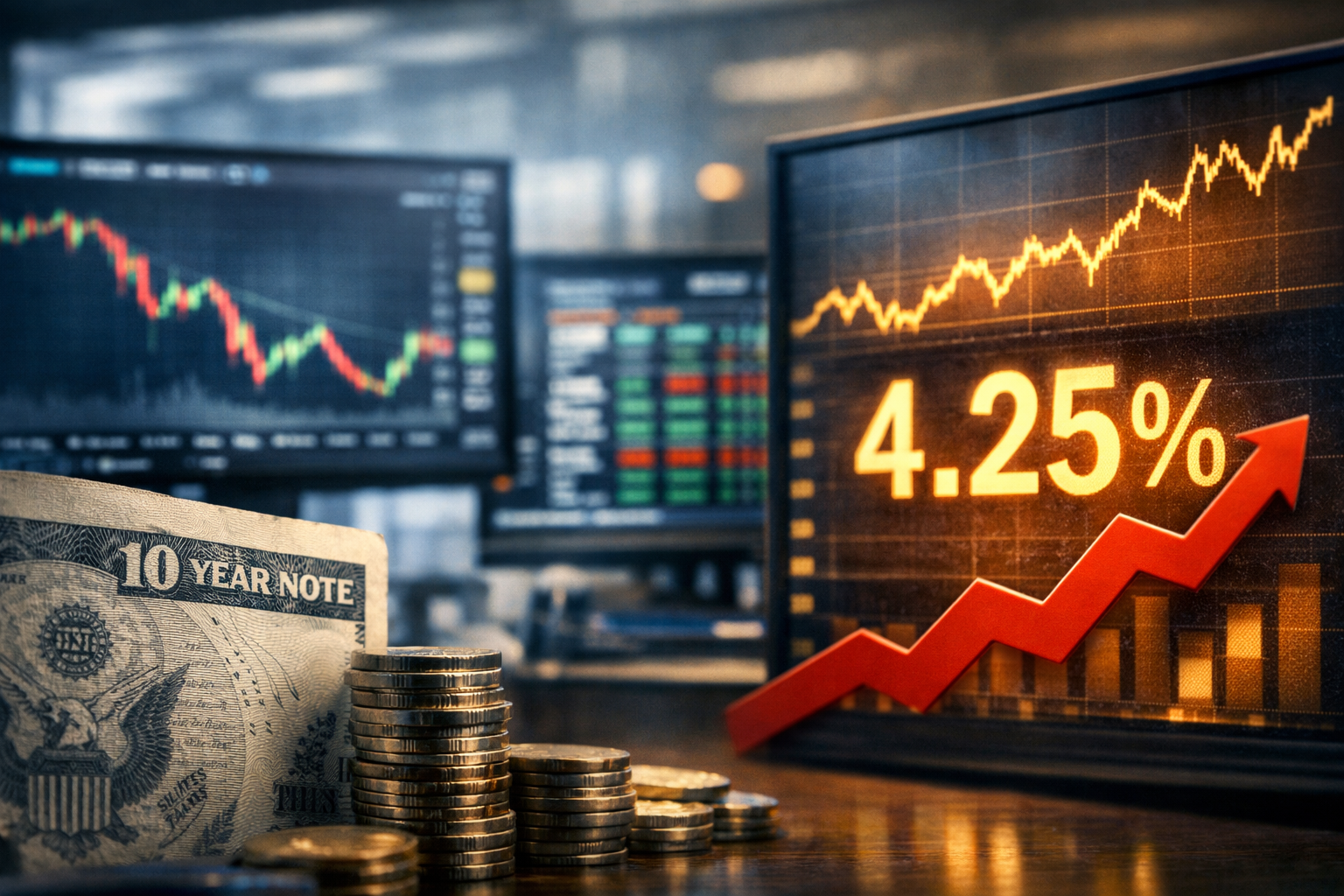
Market participants are closely watching whether the shutdown morphs into a wider fiscal crisis. With the Treasury’s cash reserves tightening and broader debates over deficit spending intensifying, prolonged inaction could trigger renewed volatility in Treasury yields and equity markets.
Historically, government shutdowns have produced short-term market pullbacks followed by recoveries once a deal is struck. However, this episode is complicated by a fragile macroeconomic backdrop — inflation persistence, high borrowing costs, and political brinkmanship that could influence future fiscal stimulus and tax reform.
If the filibuster is eliminated, as President Trump suggests, it could reshape legislative dynamics in Washington. The rule’s removal would lower the threshold for passing bills, potentially enabling swift fiscal or regulatory action — a double-edged sword for investors. Faster approvals could mean accelerated infrastructure and defense spending, but also increased volatility if major tax, environmental, or trade policies shift abruptly.
Market Reactions and Sentiment
Wall Street’s initial reaction has been muted but cautious. The S&P 500 slipped modestly this week as investors digested the prolonged impasse, while the VIX volatility index ticked higher, reflecting hedging activity. The U.S. dollar remains steady, supported by global demand for safe assets amid uncertainty in Europe and Asia.
Financial strategists at Morgan Stanley noted that “political dysfunction is emerging as a non-trivial macro risk” — particularly if the shutdown disrupts government data releases used by the Federal Reserve to guide monetary policy. The absence of fresh economic data could complicate the Fed’s December rate decisions, injecting uncertainty into bond and equity pricing models.
Future Trends to Watch
- Debt Ceiling and Fiscal Policy Battles: The shutdown foreshadows tougher confrontations ahead over debt-limit negotiations and long-term spending caps.
- Consumer Sentiment Indexes: Watch University of Michigan and Conference Board readings for signs of household spending pullback.
- Defense and Infrastructure Stocks: Any eventual compromise could unleash pent-up spending; firms such as Lockheed Martin, Raytheon Technologies, and Caterpillar may see delayed but robust rebounds.
- Regulatory Shifts Post-Filibuster: If the Senate rule is removed, expect faster policy movement on energy, healthcare, and financial regulation.
Key Investment Insight
Investors should prepare for short-term volatility and long-term policy shifts. While shutdown-related selloffs can create tactical buying opportunities in consumer and defense sectors, the broader takeaway is clear: political instability is now a structural market risk.
Consider defensive positioning in utilities, healthcare, and staples, while maintaining flexibility to capitalize on cyclical rebounds once fiscal clarity returns. Fixed-income investors should watch for short-dated Treasury dislocations as liquidity tightens during the funding freeze.
The unfolding situation in Washington is not just a political drama — it’s a real-time stress test of market confidence and fiscal governance. Whether the filibuster falls or negotiations break through, investors must weigh policy volatility as a key variable in portfolio strategy heading into 2026.
Stay tuned with MoneyNews.Today for daily investor intelligence — where political headlines meet market-moving insights.