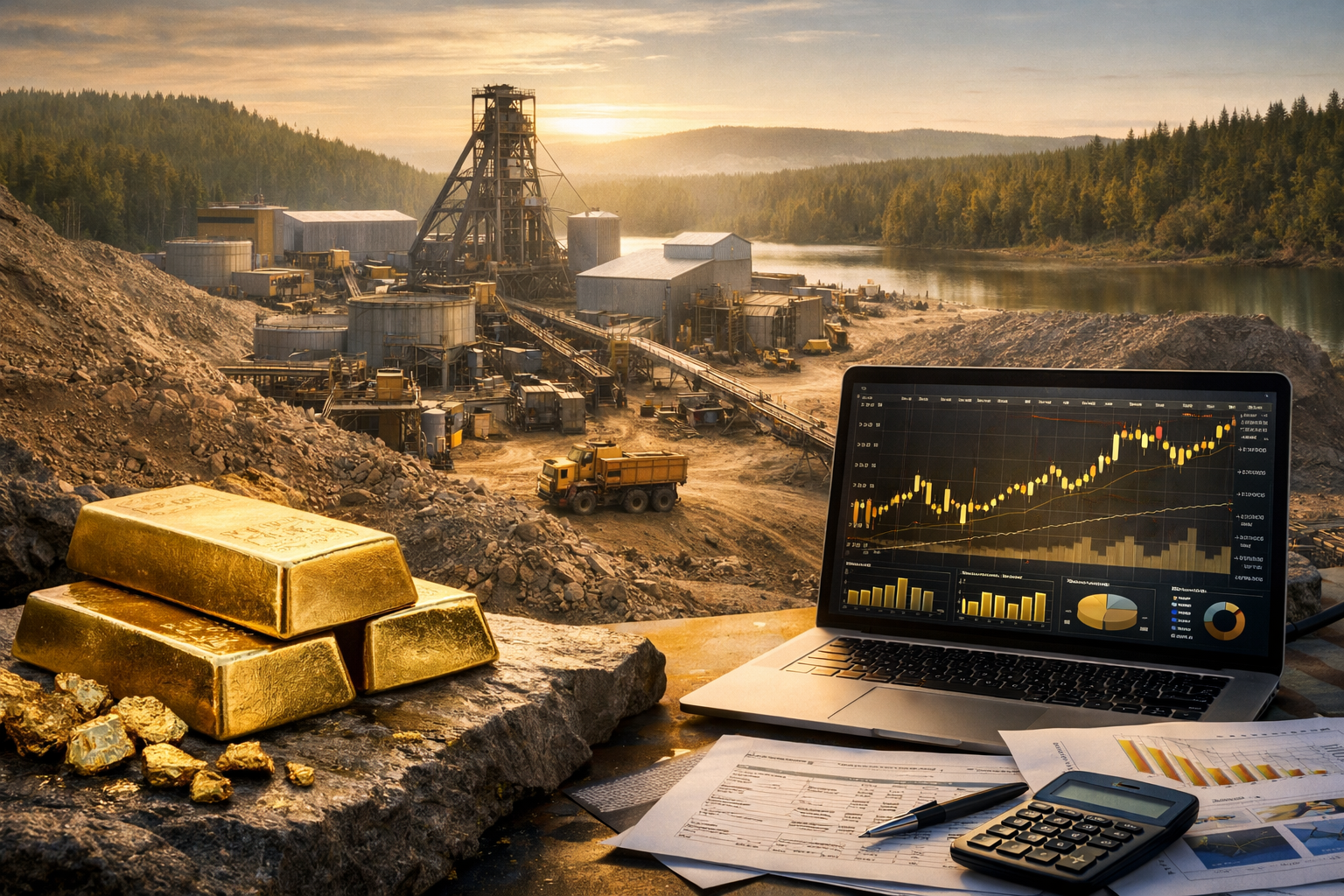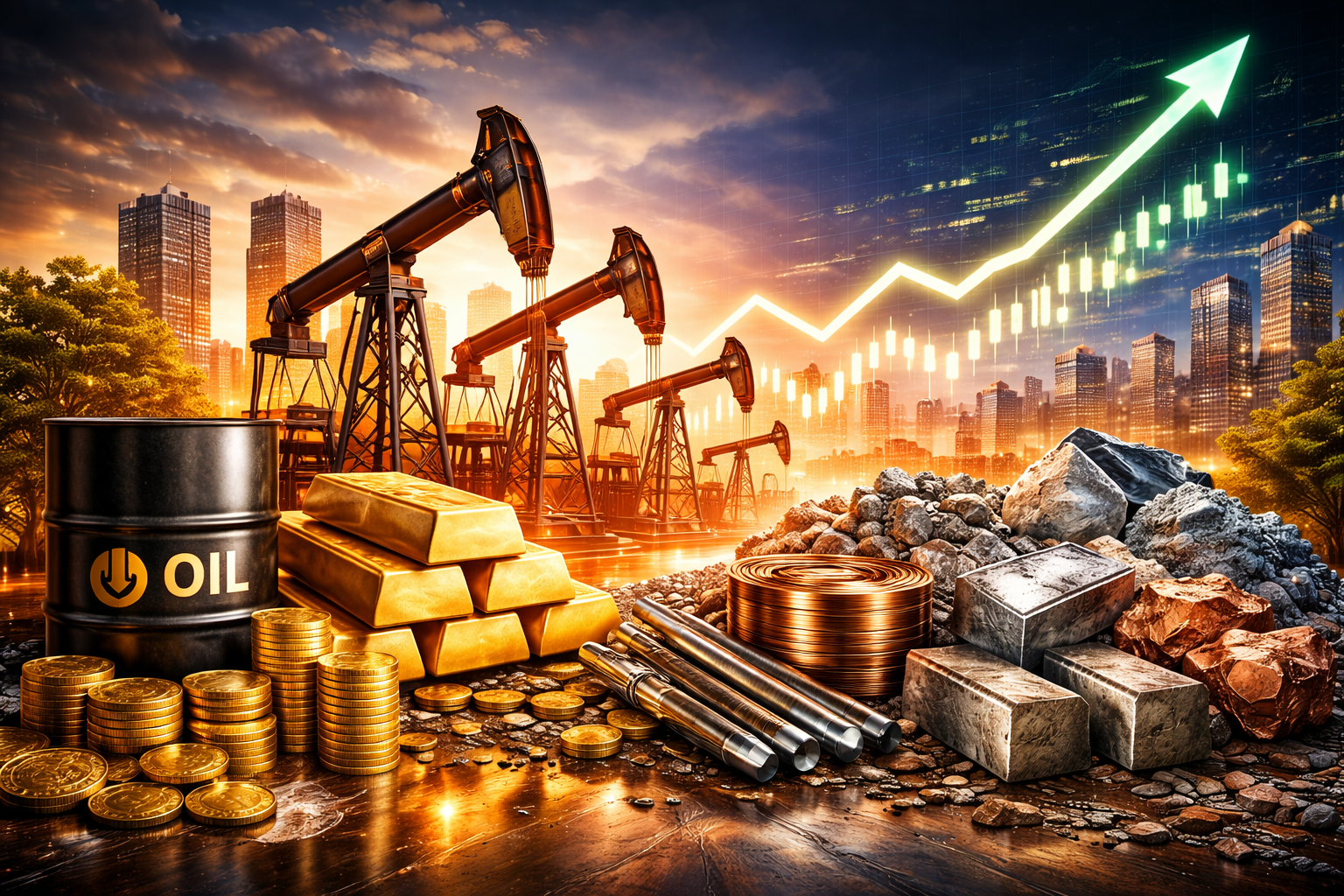
Hard-asset markets are back in focus as easing geopolitical tensions and resilient commodity demand fuel a renewed rally across energy and metals equities. In North America, investors responded swiftly to signals that U.S. tariff threats linked to Greenland and European trade relations were being dialed back, helping lift risk appetite and drive gains in cyclical sectors. The rebound was particularly visible in Canada’s resource-heavy TSX, where energy producers and mining stocks led the advance, underscoring the sector’s dual role as both a growth engine and a macro hedge.
According to Reuters, the retreat from aggressive trade rhetoric reduced fears of supply-chain disruption and retaliatory measures, prompting a broad reassessment of risk across commodity-linked assets. For investors, the episode once again highlighted how closely energy and metals prices—and the equities tied to them—track shifts in geopolitical sentiment and global growth expectations.
Why This Matters for Investors
Commodity markets sit at the intersection of geopolitics, inflation, and economic growth. When political uncertainty eases, expectations for industrial activity and cross-border trade often improve, supporting demand for oil, copper, iron ore, and other key inputs. At the same time, ongoing structural themes—such as the global energy transition, infrastructure spending, and the electrification of transport—continue to underpin long-term demand for critical metals.
In Canada, where energy and mining companies account for a significant portion of the benchmark index, the recent rally reflected both improved macro sentiment and confidence in underlying fundamentals. Energy stocks gained as oil prices stabilized and investors priced in steadier global demand, while base-metal producers benefited from optimism around manufacturing and construction activity in the United States and Asia.
Gold, traditionally a safe-haven asset, traded in a more mixed fashion. While geopolitical risks have eased for now, lingering concerns over inflation, fiscal deficits, and central-bank policy continue to provide a floor under precious metals. This divergence highlights an important dynamic for investors: different segments of the commodity complex respond differently to shifts in risk sentiment and monetary expectations.
Geopolitical Signals and the Risk Premium
Markets have repeatedly shown that even incremental clarity on trade and foreign policy can have an outsized impact on cyclical assets. Bloomberg analysis of past trade-tension episodes indicates that energy and industrial metals equities often outperform in the weeks following a de-escalation, as risk premiums compress and earnings expectations stabilize.
The recent pullback from tariff threats has reduced the probability of near-term disruptions to global energy flows and mining supply chains. For oil and gas producers, this translates into improved visibility on export demand and pricing. For miners, particularly those supplying copper, nickel, and lithium, it supports the investment case tied to electric vehicles, renewable energy infrastructure, and grid expansion.
Structural Demand: Beyond the Relief Rally
While geopolitical relief has provided a short-term catalyst, longer-term fundamentals remain equally important. Research from the International Energy Agency and McKinsey highlights that global demand for energy and critical minerals is set to grow steadily through the end of the decade, driven by population growth, urbanization, and the transition toward low-carbon technologies.
Copper and other base metals are central to this narrative, given their role in power transmission, data centers, and electric vehicles. Similarly, natural gas and oil continue to play a critical role in balancing energy systems during the transition, supporting cash flows for established producers.
For investors, this combination of cyclical recovery and structural growth creates a compelling backdrop for the sector. It also explains why energy and mining equities often attract capital during periods when markets seek both inflation protection and exposure to real-asset growth.
Future Trends to Watch
Several developments will shape the outlook for metals and energy stocks in the coming months:
- Global Growth Indicators: Manufacturing PMIs and infrastructure spending plans will offer clues about near-term demand for industrial commodities.
- OPEC+ and Supply Discipline: Production decisions will influence oil price stability and, by extension, energy equity performance.
- Critical Minerals Policy: Government incentives and strategic-stockpile initiatives in the U.S. and Canada could support domestic mining investment.
- Inflation and Interest Rates: Persistently high inflation or shifts in central-bank policy would likely renew interest in commodities as a hedge.
Key Investment Insight
Energy and metals equities occupy a unique position in diversified portfolios. They provide exposure to economic expansion when growth accelerates, while also offering partial protection against inflation and geopolitical shocks. The recent rally following tariff de-escalation illustrates how quickly sentiment can swing in their favor when risk premiums fall.
For investors, a balanced approach may involve diversified exposure across energy producers, base-metal miners, and precious-metal names, either through select equities or broad-based ETFs. Monitoring geopolitical developments, commodity price trends, and capital-expenditure plans will be essential for timing entries and managing risk.
Stay connected with MoneyNews.Today for daily, in-depth analysis of commodity markets, geopolitics, and the investment opportunities shaping the global metals and energy landscape.