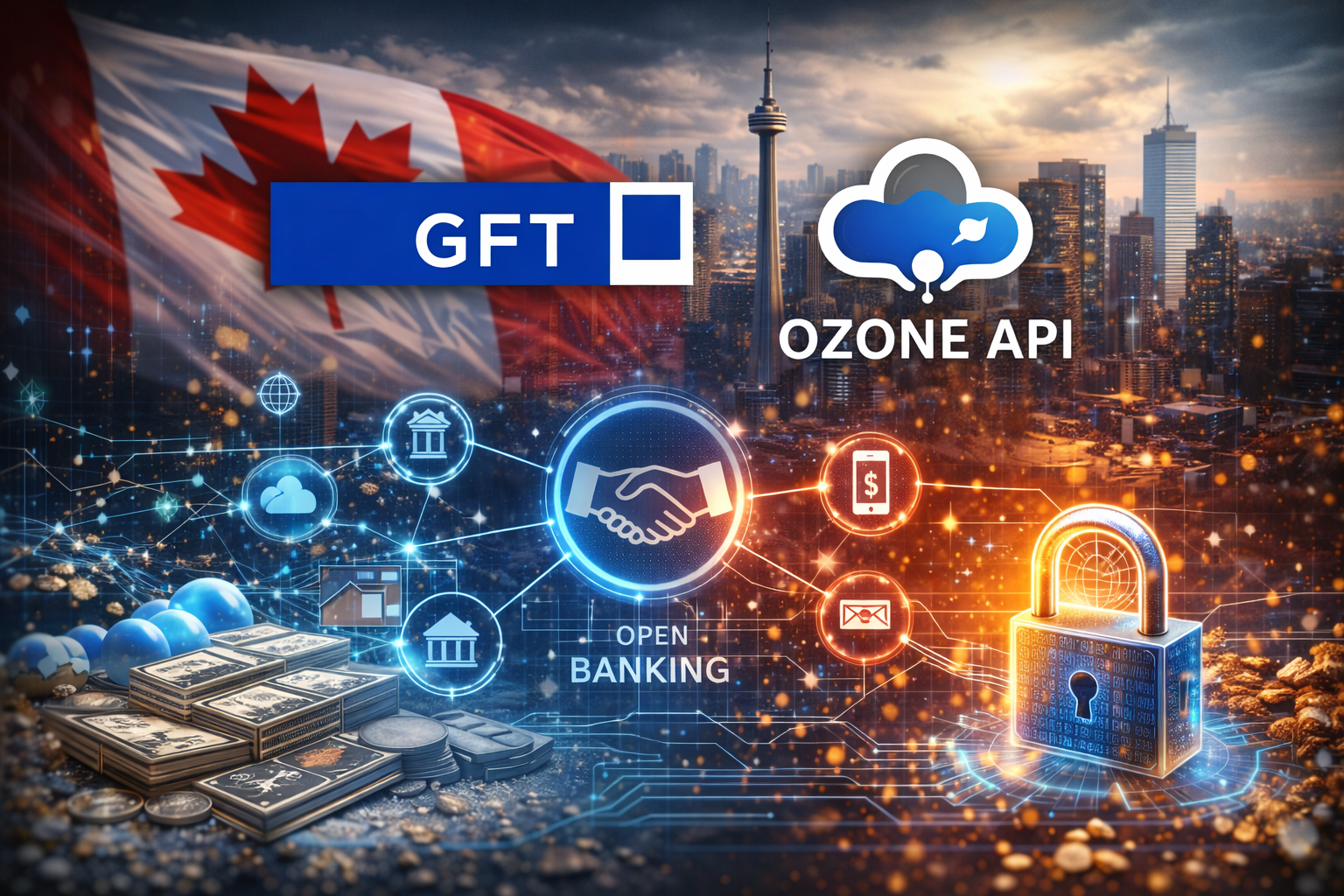
A wave of digital transformation is sweeping through global financial services, and open banking is fast becoming one of the most powerful structural shifts reshaping how consumers, banks, and fintech firms interact. In Canada, where regulatory frameworks and data-sharing standards are moving closer to full implementation, the announcement that GFT Technologies has partnered with Ozone API is being closely watched by investors as a signal that the country’s open-banking ecosystem is entering a more commercial and scalable phase.
The collaboration combines GFT’s strengths in artificial intelligence, cloud, and large-scale data transformation with Ozone API’s purpose-built open-banking platform, which is already used by banks and regulators in Europe and other advanced markets. Together, the firms aim to help Canadian financial institutions accelerate compliance, improve interoperability, and build new digital products that rely on secure, standardized access to customer-permissioned data.
Why This Matters for Investors
Open banking is not just a regulatory checkbox; it is an infrastructure layer that can unlock entirely new revenue pools. According to analysis from McKinsey and the World Economic Forum, markets that have successfully implemented open-banking frameworks have seen rapid growth in API-driven services, embedded finance, and data-enabled credit and wealth products. In the UK and parts of the EU, these ecosystems have supported the rise of digital lenders, payment innovators, and personal-finance platforms, creating multi-billion-dollar opportunities for technology providers that supply connectivity, security, and analytics.
Canada is now moving along a similar path. The federal government has outlined phased implementation of consumer-driven banking, with accreditation, technical standards, and liability frameworks expected to be finalized in stages through 2026. Reuters and Bloomberg have both highlighted that major Canadian banks are stepping up investments in API layers, cloud modernization, and cybersecurity to prepare for this shift. The GFT–Ozone partnership directly targets this spending cycle, positioning both companies as enablers of the next generation of financial infrastructure.
The Strategic Role of GFT and Ozone API
GFT Technologies brings deep experience in digital transformation for tier-one banks, including AI-driven data platforms, cloud migration, and regulatory technology. Ozone API, meanwhile, is known for its standards-based open-banking solutions that support secure data sharing, consent management, and real-time monitoring. Its platform has been referenced by regulators and industry bodies in Europe as a benchmark for interoperability and compliance.
By combining these capabilities, the partnership aims to shorten implementation timelines for Canadian banks and reduce the operational risk associated with building open-banking frameworks in-house. From an investor’s perspective, this creates several potential value drivers:
- Recurring revenue models: API platforms and managed services typically generate subscription and usage-based fees, offering more predictable cash flows than traditional project-based IT work.
- High switching costs: Once banks integrate standardized open-banking infrastructure, changing providers can be complex and costly, supporting long-term client retention.
- Cross-sell opportunities: Open-banking data can feed AI-powered credit scoring, fraud detection, and personalized financial products, expanding the addressable market for analytics and cloud services.
Broader Market Implications
Global investment in open-banking and financial-data infrastructure continues to rise. Research cited by Bloomberg Intelligence estimates that spending on API management, data security, and consent platforms could grow at double-digit annual rates over the next five years as more jurisdictions mandate data portability. In Canada, this trend intersects with a broader push toward digital identity, real-time payments, and embedded finance across retail, small business, and capital markets.
For publicly traded investors, the opportunity is not limited to the two companies involved in this partnership. Systems integrators, cybersecurity firms, cloud service providers, and fintech platforms that build on open-banking rails may all benefit as adoption accelerates. Banks themselves could see margin expansion over time if data-driven services lead to better customer acquisition, lower fraud losses, and more efficient product distribution.
Key Investment Insight
Open banking should be viewed as a long-term structural theme rather than a short-term regulatory headline. The GFT–Ozone API partnership underscores that Canadian institutions are moving from planning to execution, which historically has been the phase when technology spending and vendor revenues begin to scale. Investors may want to monitor:
- Technology firms with strong exposure to API management, data security, and financial-services cloud infrastructure.
- Canadian and global fintech enablers positioned to monetize data sharing through payments, lending, and wealth platforms.
- Banks that are early adopters of open-banking standards and could gain competitive advantage through faster product innovation and ecosystem partnerships.
As geopolitical uncertainty, interest-rate shifts, and competitive pressure continue to reshape financial markets, structural digital trends such as open banking offer a clearer, multi-year growth narrative anchored in regulation, technology, and changing consumer behavior.
For daily, data-driven insights into how developments like these are shaping investment opportunities across global markets, stay connected with MoneyNews.Today, your trusted source for timely and actionable financial intelligence.