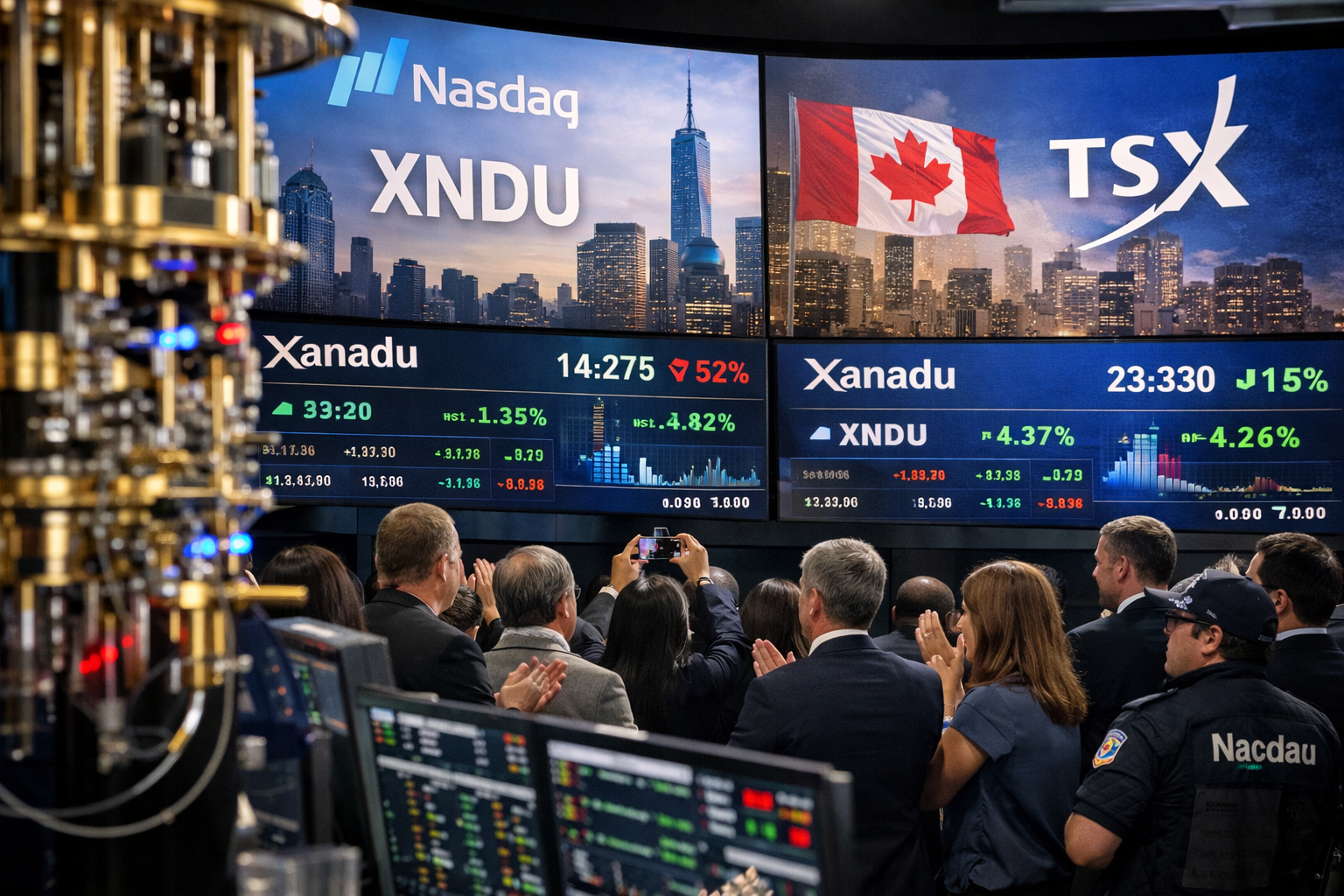
After weeks of uneven performance, global equity markets are once again finding leadership in technology. From Wall Street to Asia, tech stocks are driving gains as investor optimism around artificial intelligence makes a comeback. Semiconductor shares, in particular, are regaining momentum, helping lift broader indices and signaling that risk appetite may be stabilizing despite persistent macroeconomic cross-currents.
According to AP News, Asian equity markets advanced alongside strength in technology names, reflecting renewed confidence that AI-driven growth remains intact even after recent market pullbacks. For investors navigating a complex global landscape, the return of tech leadership is an important signal — but one that requires careful positioning.
Why Technology Is Reasserting Market Leadership
Technology has long served as a bellwether for risk sentiment, and its recent resurgence suggests investors are selectively leaning back into growth. Semiconductors led the charge, supported by expectations that AI-related demand for advanced chips, data centers, and high-performance computing will remain strong into next year.
This rebound follows a period of consolidation that flushed out some speculative excess. As volatility cooled, investors began reassessing fundamentals rather than momentum alone. The result has been a renewed focus on companies with pricing power, scale, and direct exposure to AI infrastructure — a theme echoed across global markets.
AP News reported that Asian tech shares benefited from this shift, underscoring the global nature of the AI trade. From U.S. chipmakers to Asian manufacturing and supply-chain players, the technology ecosystem is once again moving in sync.
Why This Matters for Investors
The return of tech leadership carries broader implications for portfolios. Technology remains one of the most influential sectors in global indices, meaning its performance often shapes overall market direction. When tech leads, risk assets tend to follow.
However, today’s environment is very different from the ultra-loose monetary conditions that fueled earlier tech rallies. Interest rates remain elevated, liquidity is tighter, and investors are far more sensitive to earnings quality and valuation discipline. That makes the current rebound more selective and potentially more durable — but also more vulnerable to disappointment.
For investors, this means technology exposure should be intentional, not indiscriminate. The days of buying “anything AI-related” appear to be fading, replaced by a more nuanced approach focused on fundamentals.
Semiconductors at the Core of the AI Trade
Semiconductors continue to sit at the heart of AI optimism. Advanced chips are essential for training and deploying AI models, and demand from cloud providers, enterprises, and governments remains strong. Industry research from firms such as McKinsey has consistently highlighted compute power as a key bottleneck in AI adoption, reinforcing the long-term importance of chipmakers and related suppliers.
That said, valuations in parts of the semiconductor space are elevated, leaving little room for execution missteps. This has prompted investors to favor market leaders with strong balance sheets, diversified customer bases, and visibility into future demand over smaller or more speculative players.
The recent rebound suggests confidence that earnings growth can support current prices — but it also raises the bar for upcoming results and guidance.
Technology Beyond Chips: A Broader Ecosystem
While semiconductors are leading headlines, the broader technology sector is also benefiting from renewed optimism. Software, cloud services, and networking companies tied to AI deployment are seeing increased attention as investors look for complementary exposure.
Bloomberg and other financial outlets have noted that enterprise spending on AI-enabled software and infrastructure remains resilient, even as companies scrutinize costs elsewhere. This dynamic supports the view that AI is transitioning from experimentation to implementation — a shift with meaningful implications for revenue stability.
Global tech leadership, as reflected in Asian market gains, highlights how interconnected this ecosystem has become. Hardware, software, and services are increasingly moving together as AI adoption scales.
Future Trends to Watch
Several factors will shape whether the tech-led rally can extend:
- Earnings follow-through: Upcoming results and guidance will test whether optimism is justified.
- Interest-rate expectations: Any shift in central bank tone could impact tech valuations disproportionately.
- AI spending signals: Updates from hyperscalers and enterprises will be closely watched.
- Geopolitical and supply-chain risks: These remain key variables for global tech manufacturers.
Monitoring these signals will help investors determine whether the rally is consolidating into a trend or approaching resistance.
Key Investment Insight
Technology remains a primary driver of global risk assets, but success in this environment depends on selectivity. Investors may benefit from balanced exposure to diversified tech leaders and robust semiconductor companies with clear AI linkages, while avoiding overconcentration in speculative names. In a market shaped by both opportunity and uncertainty, disciplined positioning within the technology sector remains essential.
Stay ahead of global market shifts with MoneyNews.Today, your trusted source for daily technology insights, AI-driven market trends, and investor-focused analysis.