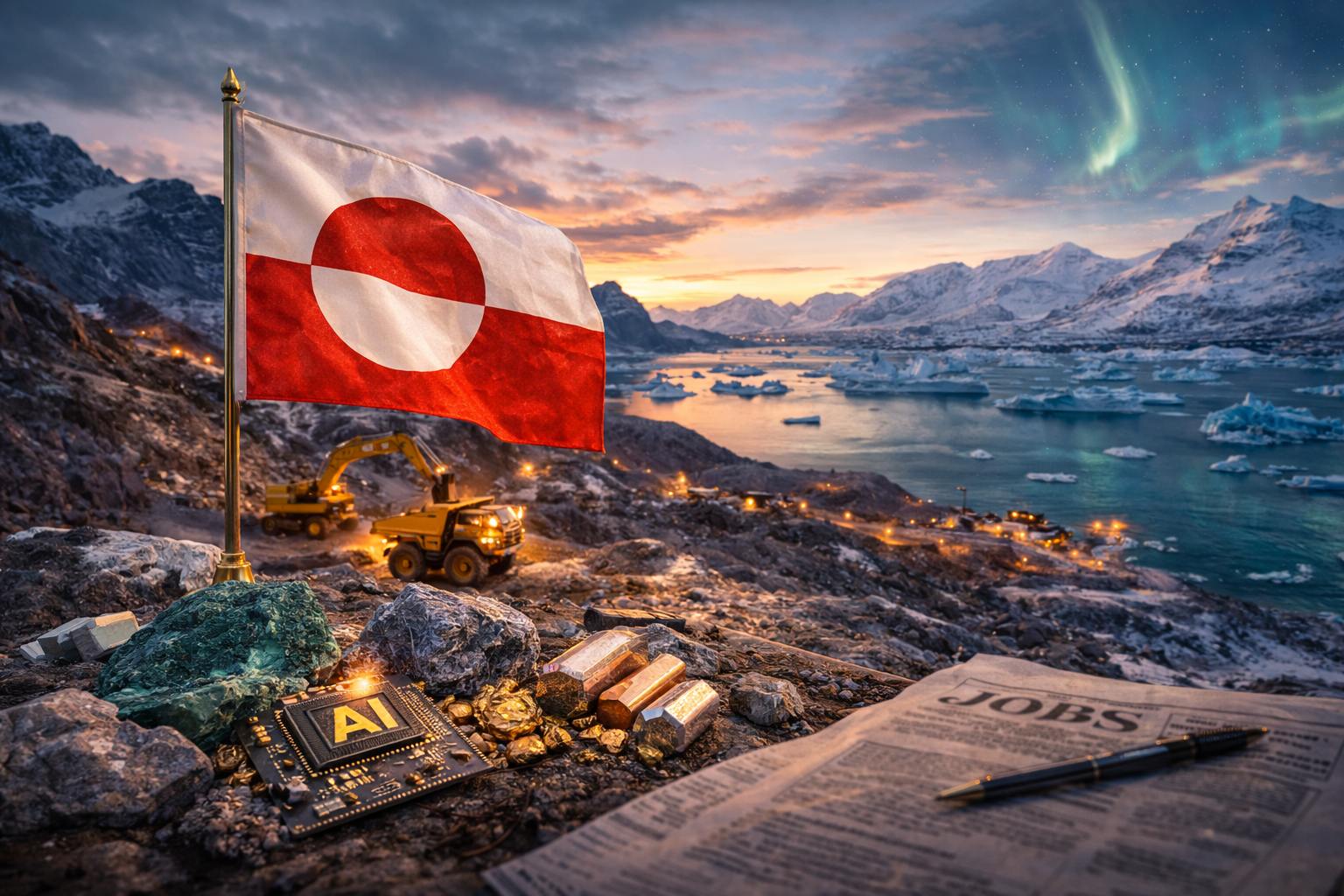
As global powers race to secure critical minerals for artificial intelligence, defense systems, and clean energy infrastructure, an unlikely region is moving rapidly up the investor watchlist: Greenland.
According to Reuters, investor interest in Greenland’s mineral sector has surged as geopolitical narratives surrounding Arctic resource security intensify. At the annual Prospectors & Developers Association of Canada (PDAC) convention — the world’s largest mining conference — Greenland’s delegation actively promoted exploration opportunities, positioning the Arctic territory as a strategic alternative source of high-value metals.
For investors, this development is more than a regional story. It underscores a powerful trend reshaping global capital flows: geopolitics is increasingly dictating where mining investment goes.
A Strategic Arctic Awakening
Greenland, an autonomous territory within the Kingdom of Denmark, has long been known for its vast untapped mineral resources. These include rare earth elements, zinc, uranium, graphite, and other critical inputs vital to advanced electronics, electric vehicles, renewable energy systems, and defense technologies.
However, until recently, commercial activity remained relatively limited due to infrastructure challenges, environmental considerations, and political sensitivities.
That dynamic appears to be shifting.
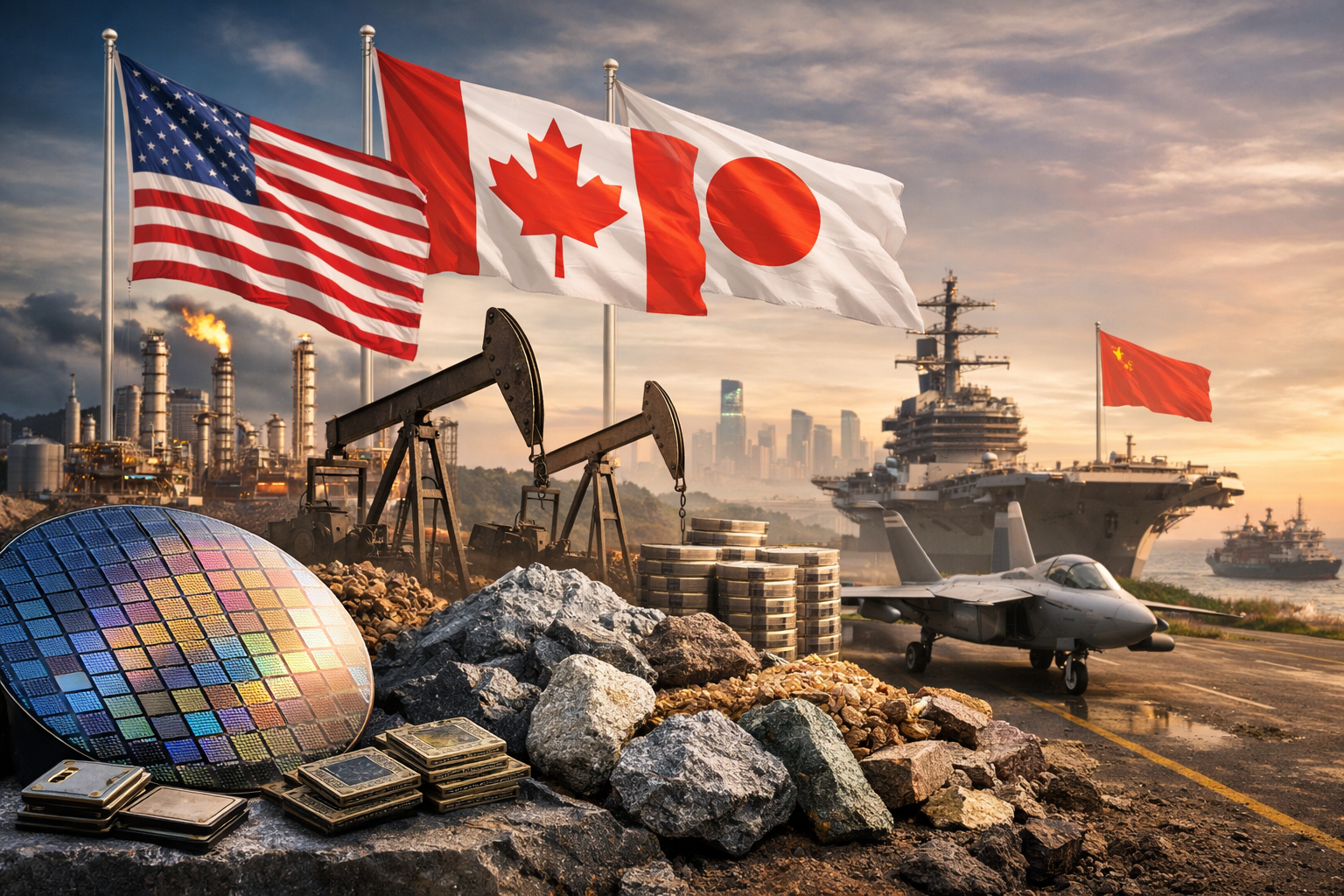
Reuters reports that interest has accelerated amid growing political rhetoric in the United States about Arctic security and strategic mineral independence. Governments and corporations are seeking diversified supply chains that reduce reliance on dominant producers — particularly China, which currently controls a significant share of global rare earth processing.
The Arctic is no longer just a climate conversation. It is becoming a resource competition arena.
Why This Matters for Investors
1. Critical Minerals Are a Geopolitical Priority
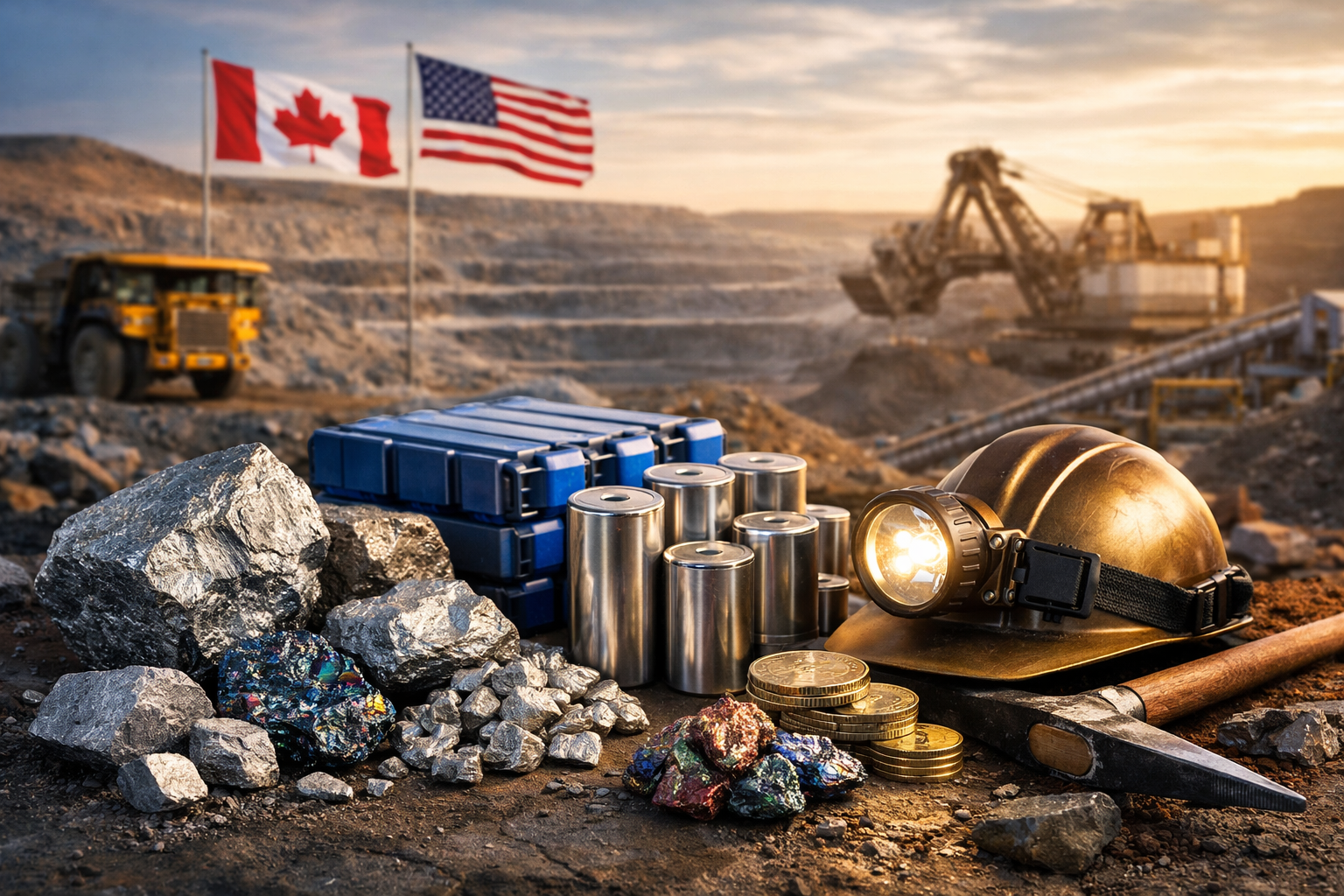
Western governments have increasingly classified minerals such as rare earths, lithium, graphite, and cobalt as strategic assets. The U.S. Geological Survey has repeatedly highlighted supply concentration risks in its annual critical minerals assessments.
China dominates global rare earth processing and maintains strong influence over battery material supply chains. This concentration has prompted the U.S., Canada, and European nations to accelerate alternative sourcing strategies.
Greenland’s resource base fits squarely into this diversification effort.
If Arctic projects move from exploration to development, capital could flow toward:
- Rare earth extraction
- Battery-grade mineral production
- Defense-linked metal supply chains
For investors, early-stage exposure to strategic mining jurisdictions can offer asymmetric upside — albeit with higher risk.
2. PDAC as a Catalyst Event
The spotlight at PDAC is significant. The conference attracts thousands of mining executives, institutional investors, and government officials from around the world.
When a jurisdiction receives elevated attention at PDAC, it often signals increased deal flow, exploration partnerships, and financing discussions.
Greenland’s active participation this year suggests:
- Growing institutional openness to Arctic mining
- Potential cross-border joint ventures
- Increased government-backed project support
Investors often look to PDAC announcements as early indicators of funding cycles in the mining sector.
The Resource Opportunity
Greenland’s geological potential is substantial.
Publicly available data from geological surveys indicate deposits of:
- Rare earth elements critical for magnets used in wind turbines and electric vehicles
- Zinc and base metals tied to industrial production
- Graphite and other battery inputs
- Uranium deposits, subject to political approval
As global EV adoption accelerates and defense budgets expand across NATO-aligned countries, demand for secure mineral supply chains continues to grow.
Consulting research from firms like McKinsey has projected significant growth in demand for battery metals and rare earths over the coming decade, particularly as energy transition targets intensify.
If Greenland can successfully develop economically viable extraction and export infrastructure, it could emerge as a key Western-aligned supplier.
The Risks: Infrastructure and Policy
Opportunity in frontier markets rarely comes without complexity.
Greenland’s challenges include:
- Harsh climate conditions
- Limited transportation infrastructure
- Environmental scrutiny
- Regulatory and political sensitivity
Mining development requires significant upfront capital expenditure, often years before revenue generation. Arctic logistics increase cost structures relative to more established mining regions.
Additionally, environmental considerations play an outsized role in Greenlandic politics. Past projects have faced public resistance, particularly involving uranium extraction.
Investors must weigh geological promise against execution risk.
Geopolitics as a Capital Driver
One of the most important lessons from this development is the growing influence of geopolitics on mining investment.
Historically, capital flowed primarily toward regions with favorable geology and cost structures. Today, supply chain security is equally influential.
Governments are increasingly:
- Offering incentives for domestic or allied sourcing
- Funding feasibility studies
- Supporting processing facilities
- Encouraging strategic mineral stockpiling
This shift transforms certain jurisdictions from speculative plays into strategic priorities.
Greenland’s location — geographically closer to North America and Europe than to Asia — enhances its appeal in this new framework.
Market Implications Beyond Greenland
The rise in Arctic mining interest reflects broader trends that investors should monitor:
Diversification from China
Western economies are actively reducing overreliance on single-country supply chains for critical inputs.
Defense-Driven Demand
Increased global military spending supports sustained demand for specialty metals used in aerospace and defense technologies.
Clean Energy Acceleration
Battery and renewable infrastructure expansion continues to support demand for lithium, graphite, and rare earth elements.
Greenland represents a convergence point for all three themes.
Future Trends to Watch
1. Financing Announcements
Early-stage mining projects depend on capital markets. Watch for equity raises, strategic partnerships, or sovereign-backed funding tied to Greenland projects.
2. Infrastructure Development
Port expansions, road construction, and energy infrastructure will be essential for project viability.
3. Regulatory Developments
Changes in mining laws or environmental policy could significantly impact investor confidence.
4. Offtake Agreements
Long-term supply contracts with Western manufacturers would signal commercial validation.
Key Investment Insight
Greenland’s rising profile illustrates a broader principle: resource geopolitics is reshaping mining investment patterns.
Investors considering exposure to strategic minerals may evaluate:
- Diversified mining ETFs with critical mineral focus
- Junior explorers with assets in geopolitically aligned regions
- Established producers positioned to benefit from Western supply chain shifts
However, position sizing is critical. Frontier markets offer high upside potential but carry elevated execution and political risk.
A balanced approach — blending stable producers with selective exposure to emerging jurisdictions — may offer the most prudent path.
The Bigger Picture
The global energy transition, AI infrastructure buildout, and defense modernization programs all depend on secure access to raw materials.
As competition intensifies, regions once considered peripheral are becoming strategically central.
Greenland’s emergence in investor conversations reflects a structural shift: minerals are no longer just commodities — they are geopolitical assets.
Capital will continue flowing toward jurisdictions perceived as stable, allied, and resource-rich. The Arctic may be cold, but investor interest is heating up.
Stay ahead of global mining trends, geopolitical shifts, and capital market developments with MoneyNews.Today, your trusted source for actionable investor intelligence in an increasingly strategic resource landscape.