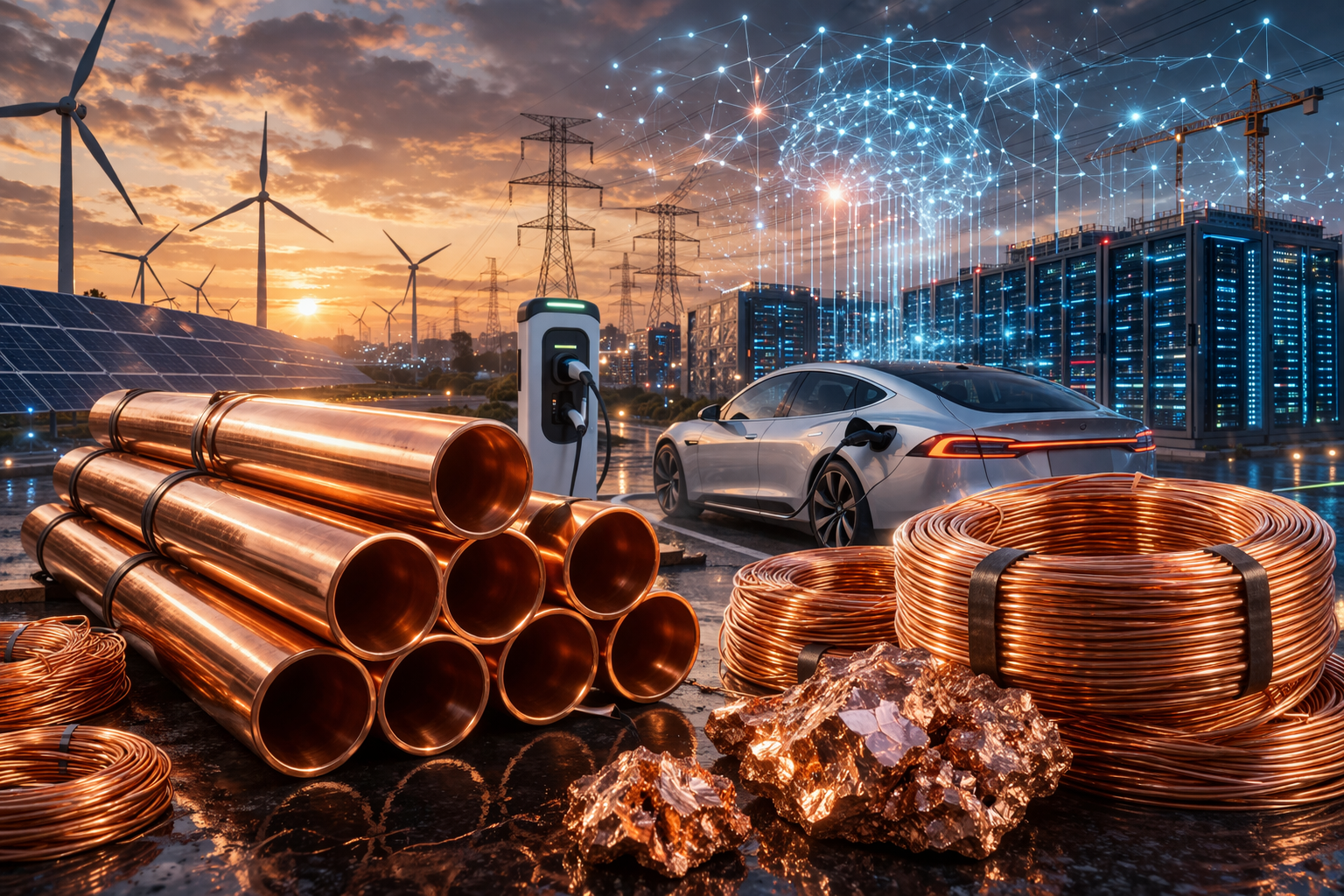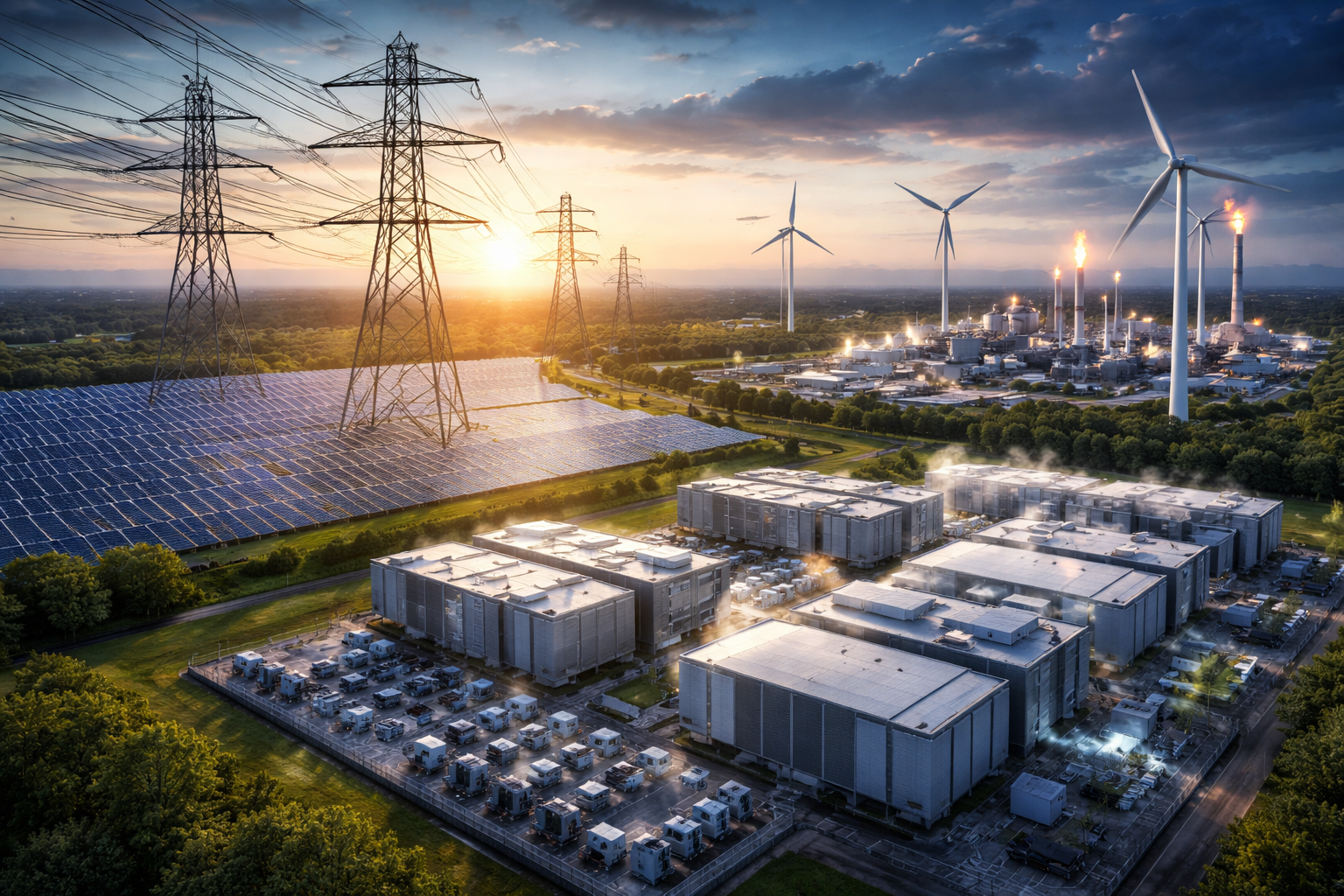
The artificial intelligence boom is no longer just about algorithms, chips, or software—it’s about power. And right now, power is becoming the single most critical constraint in the next phase of AI growth.
According to recent reporting from Bloomberg (via Investing.com, April 1, 2026), Microsoft is in advanced discussions with Chevron and Engine No.1 to develop a large-scale energy complex in Texas. The goal: secure the massive electricity capacity needed to fuel the company’s rapidly expanding AI data center footprint.
For investors, this is more than just another partnership headline—it’s a clear signal that the AI trade is evolving. The next winners may not just be the usual tech giants, but also the companies that can supply the energy, infrastructure, and materials needed to power the AI revolution.
The Shift: AI Moves From Software to Infrastructure
Over the past two years, the AI narrative has been dominated by software breakthroughs and semiconductor demand. Companies like Microsoft, Nvidia, and Google have driven market momentum as investors chased exposure to generative AI and large language models.
But the story is changing.
Microsoft’s reported talks with Chevron and Engine No.1 underscore a critical reality:
AI at scale requires enormous amounts of electricity.
Training and running advanced AI models demands high-performance computing clusters, which in turn require:
- Massive data centers
- Continuous power supply
- Cooling infrastructure
- Stable grid access
According to industry estimates from firms like McKinsey and the International Energy Agency (IEA), data center electricity demand could double or even triple by 2030, driven largely by AI workloads.
Microsoft’s projected $146 billion in AI-related capital expenditure highlights just how aggressive this expansion is becoming.
Why Texas—and Why Energy Partnerships?
The choice of Texas is strategic.
Texas offers:
- Abundant land for large-scale infrastructure
- A relatively flexible regulatory environment
- Access to both traditional and renewable energy sources
- A robust industrial base
By partnering with Chevron—one of the world’s largest energy companies—and Engine No.1, a firm known for its focus on energy transition and infrastructure, Microsoft is effectively vertically integrating its energy supply chain.
This is a major shift.
Instead of relying solely on public utilities or grid availability, hyperscalers are now exploring direct energy sourcing, including:
- Dedicated power plants
- Renewable energy farms
- Hybrid energy solutions
For investors, this raises an important question:
Are tech companies becoming energy companies?
Why This Matters for Investors
1. Energy Is Becoming the AI Bottleneck
While semiconductors were the primary constraint in early AI growth, energy is quickly emerging as the next bottleneck.
If companies cannot secure sufficient power, they cannot scale AI operations—no matter how advanced their models are.
This creates a new investment dynamic:
- Energy availability = AI growth capacity
- Power infrastructure = competitive advantage
2. A New Class of AI Winners Is Emerging
The AI value chain is expanding beyond tech.
Key beneficiaries now include:
- Energy producers (oil, gas, renewables)
- Utilities and grid operators
- Infrastructure developers
- Cooling and data center specialists
Chevron’s involvement is particularly notable. Traditionally seen as a fossil fuel giant, the company is now positioning itself as a critical enabler of AI infrastructure.
This reflects a broader trend where legacy industries are being re-rated as part of the AI ecosystem.
3. Capital Intensity Is Reshaping Tech Economics
The scale of AI investment is unprecedented.
Microsoft’s potential $146B spend is not just large—it signals a structural shift in how tech companies operate.
Historically, software companies benefited from:
- High margins
- Low capital requirements
- Scalable business models
AI is changing that.
Now, companies must invest heavily in:
- Physical infrastructure
- Energy supply
- Hardware ecosystems
This introduces:
- Higher upfront costs
- Longer return timelines
- Greater execution risk
For investors, this means valuations may increasingly depend on capital efficiency and execution, not just growth potential.
The Bigger Picture: AI Meets the Energy Transition
This deal also intersects with one of the biggest macro trends of the decade: the global energy transition.
AI demand is accelerating electricity consumption at a time when:
- Governments are pushing for decarbonization
- Renewable energy adoption is expanding
- Grid infrastructure is under pressure
This creates both opportunities and tensions.
On one hand:
- AI could drive investment into cleaner energy solutions
- Companies may prioritize renewable-powered data centers
On the other:
- Immediate power needs may rely on traditional energy sources
- Grid constraints could slow deployment
Engine No.1’s involvement suggests a potential hybrid approach—balancing traditional energy with transition strategies.
Future Trends to Watch
1. Direct Energy Ownership by Tech Giants
Expect more companies like Microsoft, Amazon, and Google to:
- Invest directly in energy projects
- Form joint ventures with energy firms
- Build dedicated power infrastructure
2. Data Center Geography Will Shift
Regions with:
- Cheap energy
- Stable grids
- Favorable regulation
will become AI infrastructure hubs.
Texas is an early example—but Canada, parts of the U.S. Midwest, and even international markets could follow.
3. Utilities Could See a Structural Re-Rating
Utilities, often considered slow-growth sectors, may become:
- High-demand infrastructure providers
- Key beneficiaries of AI expansion
This could drive:
- Increased capital inflows
- Valuation expansion
4. Commodities Will Play a Bigger Role
AI infrastructure requires:
- Copper (for electrical systems)
- Aluminum (for construction)
- Rare materials (for electronics)
This reinforces the growing narrative that AI is also a commodities story.
Credible Signals Backing the Trend
- Bloomberg (April 1, 2026): Reported Microsoft’s discussions with Chevron and Engine No.1 on a Texas energy complex
- McKinsey & Company: Projects significant growth in data center energy demand driven by AI
- International Energy Agency (IEA): Highlights rising electricity consumption from digital infrastructure
- Corporate disclosures: Microsoft’s projected $146B AI capex underscores the scale of investment
These are not isolated data points—they form a consistent picture of AI’s transition into a capital- and energy-intensive industry.
Key Investment Insight
The AI trade is entering its next phase—and it’s broader than most investors realize.
To position effectively, consider:
- Energy exposure: Oil, gas, and renewable companies tied to AI infrastructure
- Utilities: Grid operators and power providers benefiting from rising demand
- Industrial plays: Companies involved in data center construction and cooling
- Selective tech: Firms with clear monetization and infrastructure advantage
The biggest opportunity may lie in second-order beneficiaries—companies that enable AI rather than build it.
Microsoft’s potential energy partnership is more than a corporate deal—it’s a turning point in the AI narrative.
The market is moving from:
- Software → Infrastructure
- Growth → Execution
- Hype → Physical constraints
Investors who adapt to this shift early will be better positioned to capture the next wave of AI-driven returns.
For those still focused solely on software and chips, the message is clear:
follow the power.
Stay ahead of the markets with MoneyNews.Today—your trusted source for daily, high-impact investor insights.