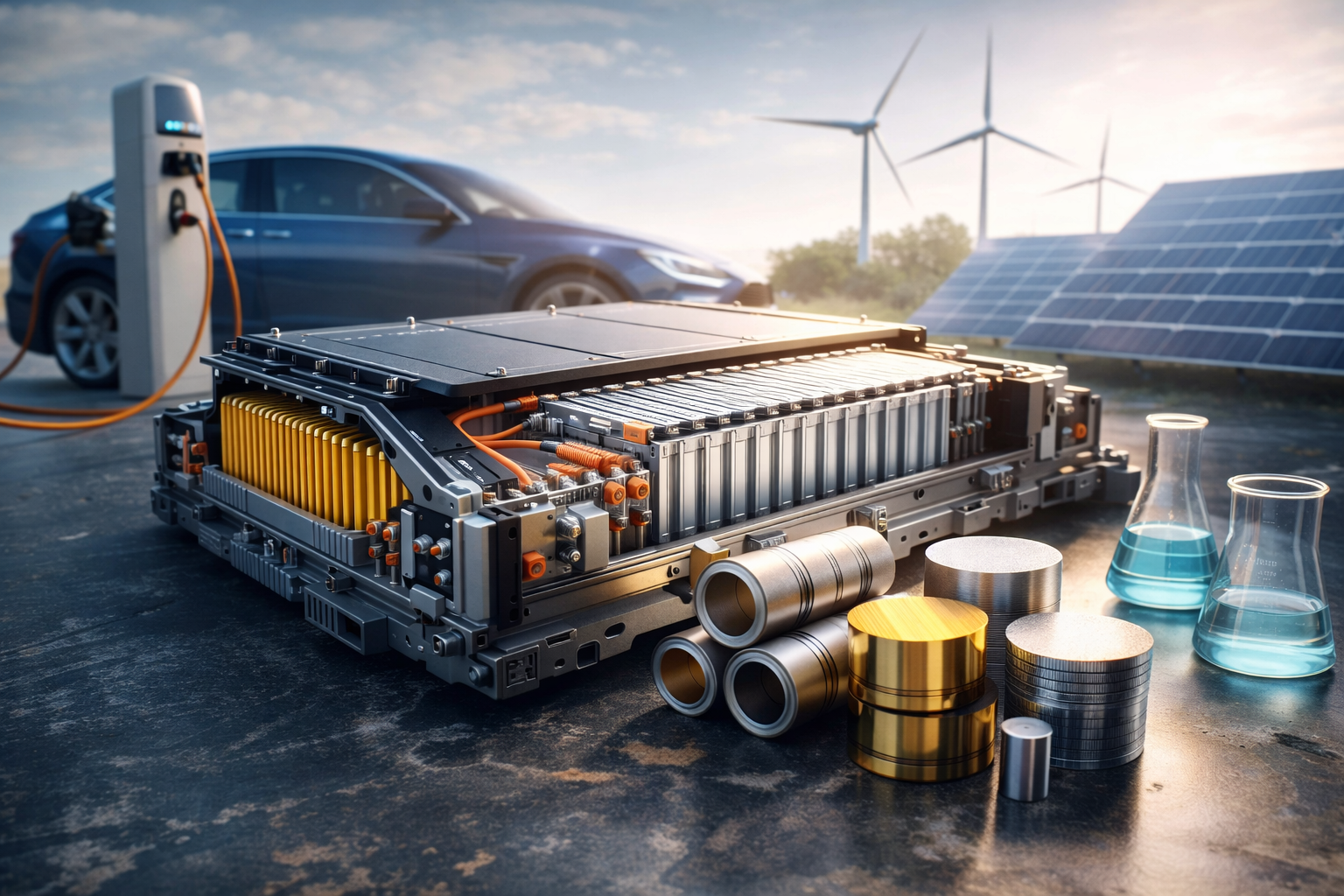
The race to power the future of transportation and energy is accelerating—and investors are watching closely.
As electric vehicles (EVs), renewable energy systems, and advanced mobility solutions expand worldwide, next-generation battery technology has become one of the most important innovation battlegrounds in the global economy. Companies developing advanced materials and breakthrough battery chemistries are attracting growing attention from investors seeking exposure to what could become the next major growth cycle in clean energy and electrification.
Among the companies pushing the frontier is SES AI, which is advancing lithium-metal battery technology designed to dramatically improve energy density and performance compared with traditional lithium-ion batteries. According to company announcements reported by Yahoo Finance and other industry sources, SES AI and similar innovators are working toward batteries capable of powering longer-range electric vehicles and even electric aviation systems.
For investors, the surge in battery innovation represents more than a technological breakthrough—it highlights a rapidly evolving sector that could reshape multiple industries, from automotive and energy storage to aerospace and defense.
The Global Race to Build Better Batteries
For more than a decade, lithium-ion batteries have powered the growth of electric vehicles and portable electronics. While the technology has improved significantly over time, analysts believe it may be approaching the limits of its performance potential.
That reality has triggered a global push to develop next-generation battery chemistries capable of delivering higher energy density, faster charging, and improved safety.
According to industry analysis from consulting firm McKinsey & Company, global demand for batteries is expected to grow more than threefold by the end of the decade, driven primarily by the expansion of EV adoption and grid-scale energy storage.
Battery demand could exceed 4 terawatt-hours annually by 2030, representing one of the fastest-growing segments in the global energy transition.
This surge in demand is driving massive investment across the battery ecosystem—from materials and chemistry innovations to manufacturing infrastructure and supply chains.
For investors, the result is a rapidly emerging industry filled with both opportunity and technological competition.
Why Lithium-Metal Batteries Are Generating Excitement
One of the most promising areas of research involves lithium-metal batteries, which replace the graphite anode used in conventional lithium-ion batteries with a lithium metal anode.
This seemingly small change could deliver dramatic performance improvements.
According to research cited by industry analysts and company announcements from SES AI, lithium-metal batteries could potentially offer:
- Higher energy density, enabling EVs to travel significantly longer distances on a single charge
- Faster charging speeds, reducing one of the biggest barriers to EV adoption
- Lower weight, which is particularly important for aviation and aerospace applications
These advantages are why lithium-metal technology is attracting attention from major automotive manufacturers and technology investors.
Companies across the industry are racing to commercialize the technology while addressing challenges such as battery lifespan, stability, and manufacturing scalability.
Advanced Materials: The Hidden Opportunity
While much of the public attention focuses on battery manufacturers, investors are also watching the advanced materials sector, which supplies the components required for next-generation batteries.
Battery performance depends heavily on materials used in:
- Cathodes
- Anodes
- Electrolytes
- Separators
Innovations in these areas can significantly improve energy storage capabilities and reduce production costs.
For example, researchers and companies are exploring materials such as:
- Silicon-rich anodes
- Solid-state electrolytes
- Lithium-metal electrodes
- High-nickel cathodes
These materials could unlock the next phase of battery performance improvements.
According to industry data highlighted by Bloomberg and other financial outlets, advanced battery materials represent one of the fastest-growing segments in the clean-energy supply chain, as manufacturers seek to increase energy density and reduce reliance on scarce resources.
Why Electric Vehicles Are Driving the Battery Boom
The electric vehicle industry remains the primary driver of battery innovation.
Global EV sales have surged in recent years, supported by government incentives, environmental regulations, and growing consumer demand. As automakers race to expand their electric fleets, battery performance has become one of the most important competitive factors.
Consumers consistently rank driving range and charging time among their top concerns when considering EV purchases. Breakthrough battery technologies could address both issues simultaneously.
This is why automakers and technology companies are investing billions of dollars into battery research and partnerships with emerging technology firms.
For example, many EV manufacturers are now exploring collaborations with battery startups to accelerate development timelines and secure access to next-generation technology.
These partnerships illustrate the strategic importance of batteries in the future of mobility.
Emerging Applications Beyond Electric Vehicles
While EVs dominate current demand, advanced batteries could unlock entirely new industries.
Electric Aviation
High-energy-density batteries are a key requirement for the development of electric aircraft and urban air mobility systems. Companies working on lithium-metal batteries believe the technology could eventually support short-haul electric aviation.
Grid-Scale Energy Storage
Renewable energy systems such as solar and wind require reliable storage solutions to manage fluctuations in power generation. Next-generation batteries could play a crucial role in stabilizing power grids and improving energy security.
Advanced Robotics and AI Infrastructure
The rapid expansion of robotics and autonomous systems may also increase demand for compact, high-performance energy storage solutions.
These emerging applications suggest that battery innovation could influence far more than just the automotive industry.
Why This Matters for Investors
The battery industry sits at the intersection of several powerful global megatrends:
- The electrification of transportation
- The transition to renewable energy
- The expansion of advanced manufacturing
- The rise of next-generation mobility technologies
Together, these forces are creating a multitrillion-dollar market opportunity.
However, the sector also carries significant risks.
Battery innovation cycles can be long and capital-intensive, and not every technology will reach commercial scale. Some companies may struggle to transition from laboratory breakthroughs to large-scale production.
For investors, understanding the broader ecosystem—from materials suppliers to battery developers and manufacturing partners—is essential when evaluating opportunities in this emerging industry.
Future Trends Investors Should Watch
Several key developments could shape the future of the battery sector.
Commercialization of Solid-State and Lithium-Metal Batteries
Breakthrough battery chemistries are moving closer to commercial production, but scaling these technologies will be a critical milestone.
Strategic Partnerships
Automakers, technology companies, and energy providers are forming partnerships with battery startups to accelerate development.
Supply Chain Expansion
Demand for battery materials such as lithium, nickel, cobalt, and advanced electrolytes is expected to grow rapidly.
Government Support
Governments across North America and Europe are investing heavily in domestic battery manufacturing to strengthen supply chain resilience.
Key Investment Insight
For investors seeking exposure to the electrification revolution, battery innovation represents one of the most compelling emerging-industry opportunities.
Companies developing lithium-metal batteries, solid-state technology, and advanced battery materials could play a central role in the future of transportation and energy storage.
At the same time, investors should monitor the broader ecosystem—including materials suppliers, battery manufacturers, and energy storage companies—to identify where long-term value may emerge.
As technological breakthroughs move closer to commercialization, the battery sector could become one of the defining investment themes of the next decade.
The electrification economy is evolving rapidly, and battery technology lies at the heart of this transformation. Investors looking to stay ahead of these emerging trends should continue tracking developments across the advanced materials and energy storage industries.
For daily insights into the trends shaping global markets, stay connected with MoneyNews.Today, your trusted source for investor news, emerging industry analysis, and market-moving developments.