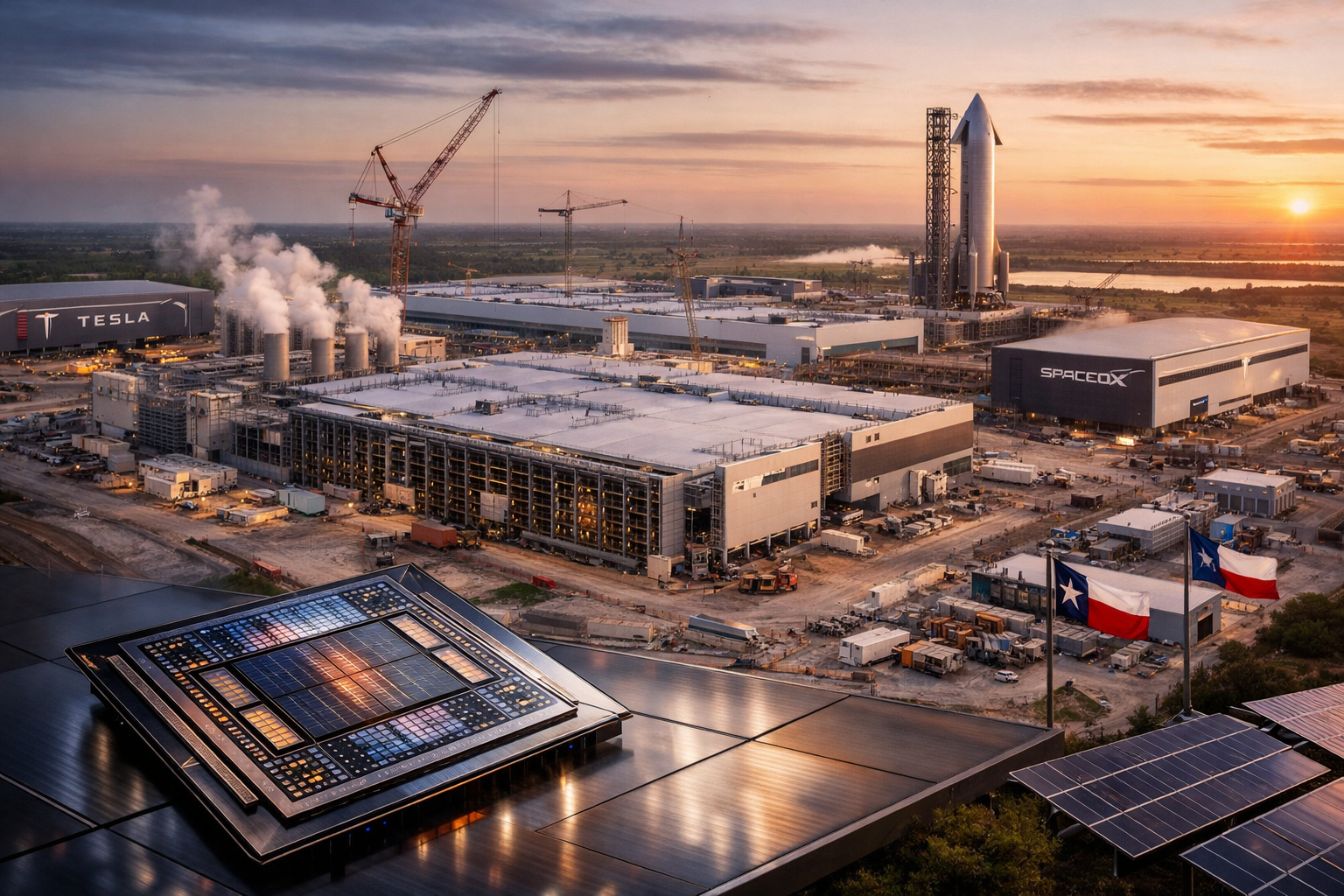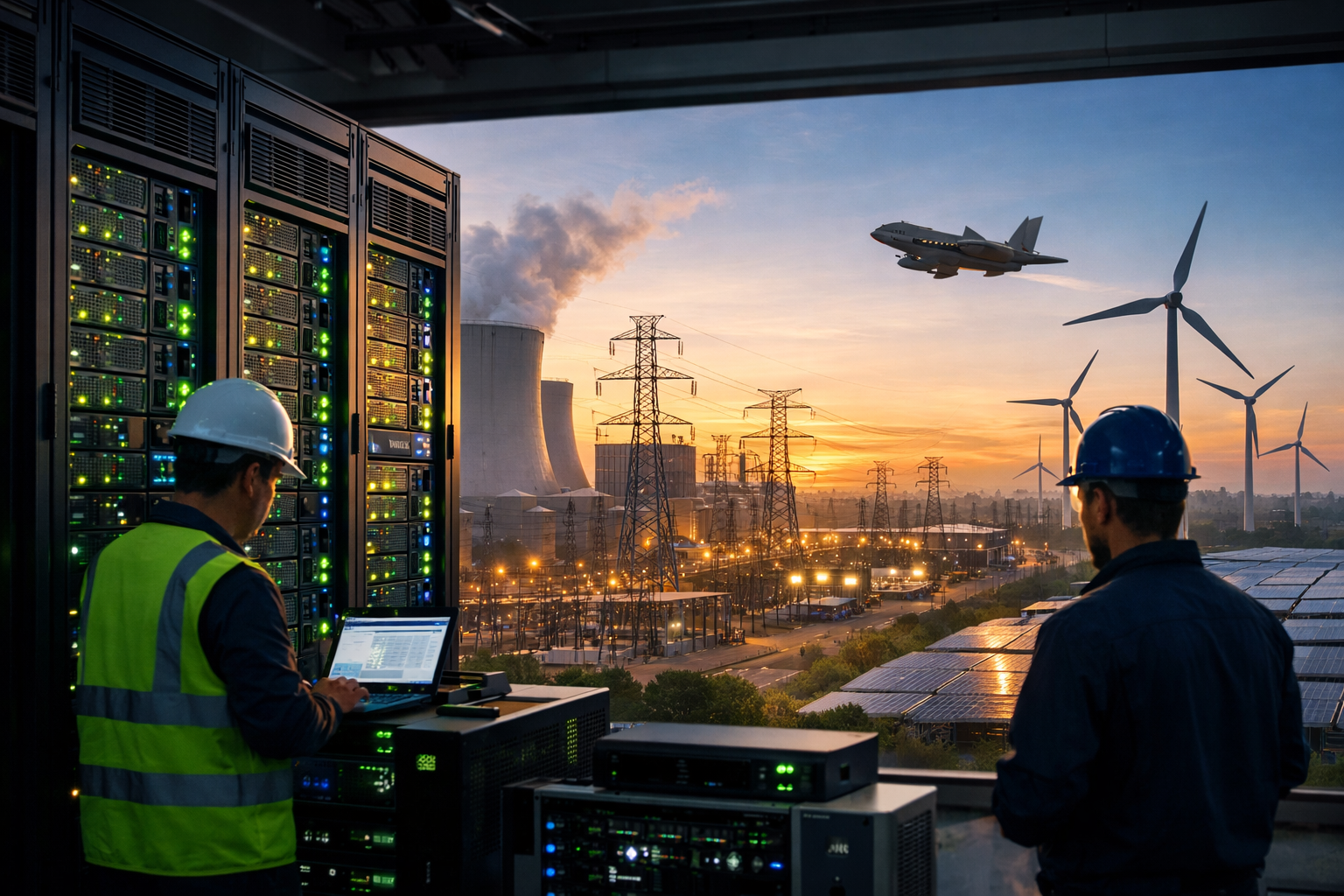
The artificial intelligence boom is entering a new phase—and it’s no longer just about chips or software. It’s about power.
As demand for AI computing accelerates at an unprecedented pace, a new constraint is emerging at the heart of the industry: electricity. In response, Nvidia is pushing deeper into what it calls “AI factories,” partnering with power producers to ensure the energy infrastructure required to sustain the next wave of AI growth. The move, highlighted in recent Wall Street Journal reporting, signals a critical shift in how investors should think about the AI trade.
The implication is clear: AI is evolving into a full-stack industrial ecosystem—where semiconductors, data centers, and energy infrastructure are tightly intertwined.
The Rise of “AI Factories”
Nvidia’s concept of “AI factories” represents a fundamental rethinking of computing infrastructure. Unlike traditional data centers, these facilities are purpose-built to handle massive AI workloads—training large language models, running inference at scale, and supporting enterprise AI deployment.
But these capabilities come at a cost: extreme energy consumption.
Training a single advanced AI model can require:
- Thousands of high-performance GPUs
- Continuous operation over weeks or months
- Energy consumption equivalent to small industrial facilities
According to industry estimates from McKinsey and the International Energy Agency (IEA), global data center electricity demand could double by the end of the decade, largely driven by AI workloads.
Nvidia’s strategy to partner directly with power providers reflects this reality. Ensuring reliable, scalable, and cost-effective energy supply is becoming just as important as designing cutting-edge chips.
Why Power Is Becoming the AI Bottleneck
The AI boom has already strained existing infrastructure. Hyperscalers like Amazon, Microsoft, and Google are rapidly expanding their data center footprints, while startups and enterprises race to deploy AI capabilities.
However, power grids—particularly in the U.S.—are struggling to keep pace.
Key Challenges Include:
1. Grid Capacity Constraints
Many regions lack the transmission infrastructure needed to support large-scale data centers. Delays in grid upgrades can slow down AI deployment timelines.
2. Rising Energy Costs
As demand increases, so do electricity prices. This directly impacts the operating costs of AI infrastructure.
3. Sustainability Pressures
Tech companies are under increasing pressure to meet ESG goals, pushing them toward renewable energy sources—which may not always provide consistent supply.
According to reporting from Bloomberg and S&P Global, some data center projects in North America are already facing delays due to power availability issues.
This is where Nvidia’s partnerships become strategically important. By aligning with power producers, the company is attempting to secure energy supply chains in the same way it has dominated chip supply chains.
A New Investment Theme: AI Meets Energy
For investors, this development marks the emergence of a powerful new theme: the convergence of AI and energy.
Traditionally, AI investing has focused on:
- Semiconductor companies
- Cloud providers
- Software platforms
Now, the scope is expanding to include:
- Utilities and power generation companies
- Grid infrastructure providers
- Energy storage and renewable developers
This shift is already visible in market behavior. Energy companies with exposure to data center demand are seeing increased investor interest, while utilities are being re-rated as potential beneficiaries of the AI boom.
Why This Matters for Investors
The implications of Nvidia’s strategy extend far beyond a single company.
1. AI Growth Is Becoming Infrastructure-Dependent
The next phase of AI expansion will not be limited by innovation—but by physical constraints. Power availability, land, and infrastructure will determine how quickly AI can scale.
This introduces a new layer of risk:
- Delays in energy infrastructure could slow AI adoption
- Rising costs could impact profitability across the sector
2. Margin Pressure Is Emerging
While AI demand remains strong, the cost of supporting that demand is increasing.
Higher energy costs can:
- Reduce margins for data center operators
- Increase capital expenditure requirements
- Delay return on investment for AI projects
This is particularly relevant as investors begin to scrutinize the ROI of massive AI spending, a trend highlighted in recent coverage from The Wall Street Journal and Reuters.
3. Supply Chain Control Is Expanding
Nvidia’s move into energy partnerships mirrors a broader trend of vertical integration in the tech industry.
Companies are increasingly seeking to control:
- Chip production
- Data center infrastructure
- Energy supply
This could reshape competitive dynamics, favoring firms with the scale and resources to build integrated ecosystems.
Sector-Level Impact
Semiconductors: Still at the Core
Nvidia remains at the center of the AI ecosystem, with its GPUs powering the majority of advanced AI workloads.
However, the company’s expansion into energy partnerships suggests that chip dominance alone is no longer enough.
Data Centers: The New Industrial Hubs
Data center operators are emerging as critical players in the AI value chain.
Companies involved in:
- Hyperscale cloud infrastructure
- Colocation services
- Edge computing
are likely to benefit from sustained demand—but must also manage rising energy costs.
Utilities & Energy: The Unexpected Winners
Perhaps the most overlooked beneficiaries of the AI boom are utilities and energy providers.
As AI workloads grow, demand for electricity could become:
- More predictable
- More concentrated
- More valuable
This creates opportunities for:
- Power generation companies
- Renewable energy developers
- Grid infrastructure firms
Future Trends to Watch
1. AI-Driven Energy Demand Surge
Expect continued growth in electricity consumption driven by AI. Investors should monitor projections from organizations like the IEA and U.S. Energy Information Administration.
2. Renewable Energy Integration
Tech companies are likely to accelerate investments in renewable energy to meet sustainability goals. This could benefit solar, wind, and energy storage sectors.
3. Regional Competition for Data Centers
Regions with abundant and affordable energy may become hotspots for AI infrastructure development.
4. Policy and Regulation
Government policies around energy, infrastructure, and AI development will play a critical role in shaping the industry’s trajectory.
Key Investment Insight
The AI revolution is entering a phase where infrastructure—not innovation—is the primary constraint.
Investors should consider:
- Expanding exposure beyond semiconductors to include energy and infrastructure plays
- Focusing on companies with access to reliable, low-cost power
- Monitoring capital expenditure trends across the AI ecosystem
- Evaluating margin risks tied to rising energy costs
In this environment, the winners will not just be those who build the best AI models—but those who can power them efficiently at scale.
The Bigger Picture
Nvidia’s push into “AI factories” is more than a strategic pivot—it’s a signal of where the industry is heading. AI is no longer confined to the digital realm; it is becoming a physical, industrial system that requires massive infrastructure to operate.
For investors, this represents both an opportunity and a challenge. The opportunity lies in identifying the new winners across this expanded value chain. The challenge lies in navigating a more complex, capital-intensive landscape.
As the lines between technology and energy continue to blur, staying informed will be critical. Follow MoneyNews.Today for daily insights that connect the dots across markets, sectors, and global trends—helping you stay ahead in the rapidly evolving world of AI investing.