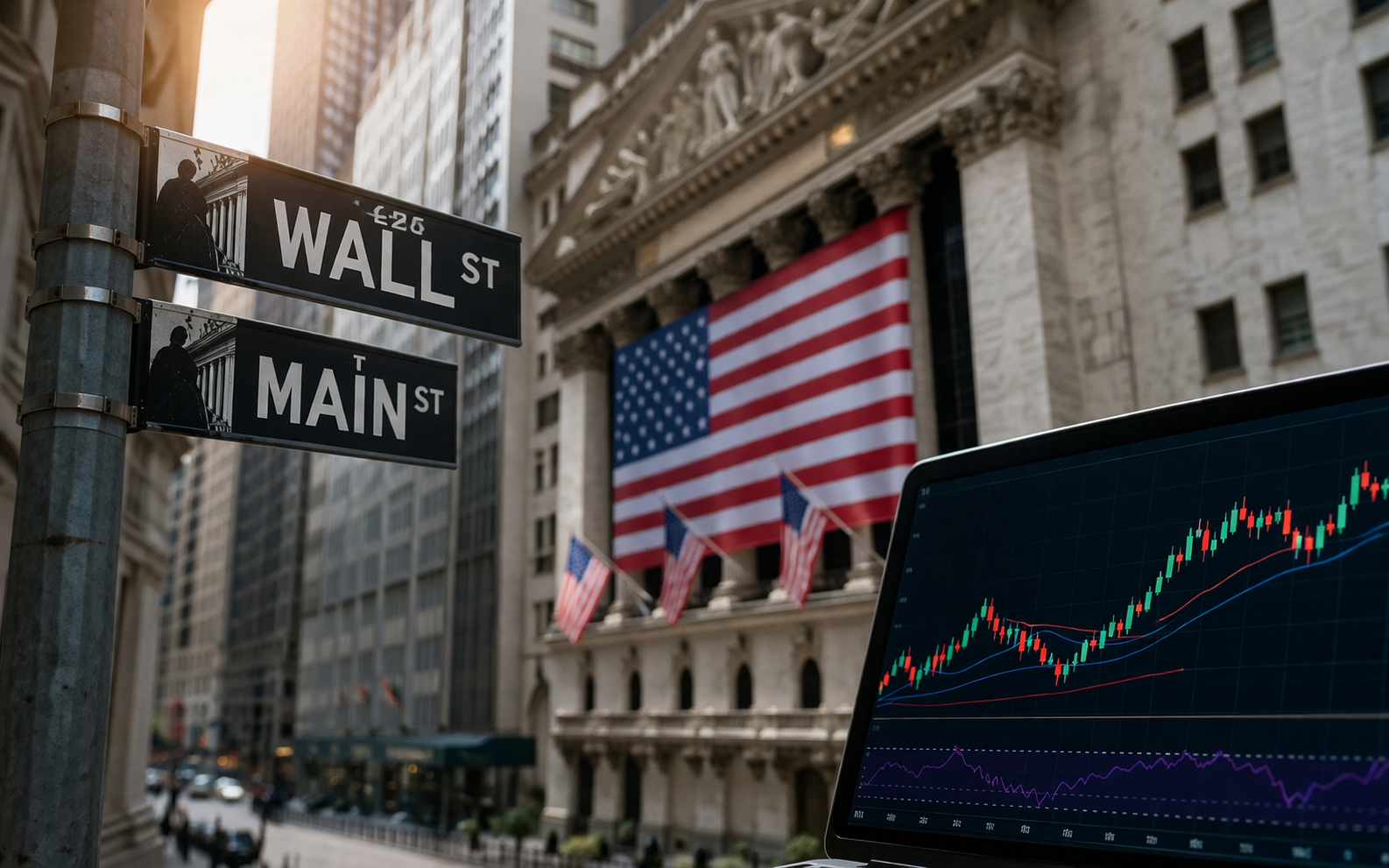
A quiet but profound shift is underway in global capital markets. While investors have been focused on AI earnings, interest-rate expectations, and geopolitical risk, the New York Stock Exchange has taken a step that could redefine how financial assets are traded. The NYSE’s plan to launch a blockchain-based, 24/7 tokenized securities trading platform signals that digital infrastructure is moving from the fringes of crypto markets into the core of traditional finance.
For the first time, one of the world’s most influential exchanges is preparing to bring around-the-clock trading and tokenization to regulated equities and securities—an initiative that could expand liquidity, reshape settlement, and open the door for a new generation of asset-management products.
Why This Matters for Investors
Tokenization refers to representing traditional financial assets—such as stocks, bonds, or funds—as blockchain-based digital tokens that can be traded and settled almost instantly. According to estimates from Boston Consulting Group and the World Economic Forum, the global market for tokenized real-world assets could exceed $16 trillion by 2030, driven by efficiency gains, fractional ownership, and broader investor access.
The NYSE’s move, first reported by the Wall Street Journal and Bloomberg, places a major institutional seal of approval on this trend. Unlike unregulated crypto exchanges, a blockchain-enabled NYSE platform would operate under U.S. securities laws, offering the compliance, custody, and transparency standards required by pension funds, asset managers, and banks.
For investors, this is not simply a technology upgrade. It represents a structural evolution in how capital markets function—one that could lower transaction costs, reduce settlement times from days to minutes, and enable continuous global trading rather than the traditional nine-to-four window.
What a 24/7 Tokenized Market Could Change
One of the most significant implications is liquidity. Traditional equity markets close for nights, weekends, and holidays, creating gaps that can amplify volatility when trading resumes. A 24/7 blockchain-based platform could allow price discovery to occur continuously, similar to cryptocurrency markets, potentially smoothing reactions to macro and corporate news.
According to research from McKinsey, post-trade processes such as clearing and settlement account for a meaningful share of operational costs in capital markets. Blockchain-based settlement, using smart contracts and distributed ledgers, could materially reduce these costs while lowering counterparty risk. The Depository Trust & Clearing Corporation (DTCC) has already piloted blockchain settlement solutions, suggesting that the infrastructure is approaching institutional readiness.
For asset managers, tokenization also opens the door to fractional ownership of traditionally illiquid or high-value securities, potentially broadening retail participation and enabling new fund structures.
Regulatory Approval: The Key Gatekeeper
Despite the promise, regulatory clearance remains the critical hurdle. The U.S. Securities and Exchange Commission and Canadian regulators have emphasized that any tokenized securities platform must meet the same investor-protection and market-integrity standards as conventional exchanges.
Recent statements from the SEC and the Canadian Securities Administrators indicate growing openness to blockchain-based market infrastructure, provided custody, disclosure, and anti-money-laundering requirements are fully integrated. Bloomberg Intelligence notes that regulatory clarity around digital asset custody and tokenized settlement is expected to improve in 2026, which could accelerate institutional participation.
If the NYSE secures approval, it would set a powerful precedent, potentially encouraging other global exchanges to follow suit and creating a competitive race to modernize market plumbing.
Who Stands to Benefit
Several segments of the market could see ripple effects:
- Exchange Operators: Firms investing in digital infrastructure may gain new revenue streams from tokenized trading, custody, and data services.
- Asset Managers: Tokenized funds and 24/7 trading could lead to innovative ETFs, private-market access vehicles, and programmable investment products.
- Financial Technology Providers: Companies specializing in blockchain settlement, digital custody, and compliance could see increased demand as traditional institutions scale adoption.
According to a recent report from PwC, over 60% of global financial institutions are already experimenting with tokenization or distributed-ledger settlement, suggesting a deep pipeline of future deployment once regulatory frameworks are finalized.
Future Trends to Watch
Investors should monitor several developments closely:
- Regulatory Milestones: Formal approval processes in the U.S. and Canada will determine timelines and scope.
- Institutional Adoption: Early participation by large asset managers and broker-dealers will signal market confidence.
- Product Innovation: The launch of tokenized ETFs, fixed-income instruments, or cross-border trading products could accelerate capital inflows.
- Interoperability: Integration between traditional exchanges, digital wallets, and custodians will be essential for scale.
Key Investment Insight
The NYSE’s blockchain initiative underscores that tokenization is evolving from a speculative concept into core financial infrastructure. For investors, the opportunity is not limited to digital assets alone, but extends to the broader ecosystem enabling compliant, scalable, and liquid tokenized markets.
Monitoring regulatory approvals and identifying early corporate and institutional adopters could provide valuable signals for positioning in exchange operators, fintech infrastructure providers, and asset managers poised to benefit from this structural shift.
As the boundaries between traditional finance and blockchain technology continue to blur, the modernization of market architecture may prove to be one of the most significant long-term investment themes of the decade. Stay connected with MoneyNews.Today for daily, in-depth coverage of the innovations reshaping global markets.