Energy markets are sending a clear signal to investors: geopolitical risk is back in control.
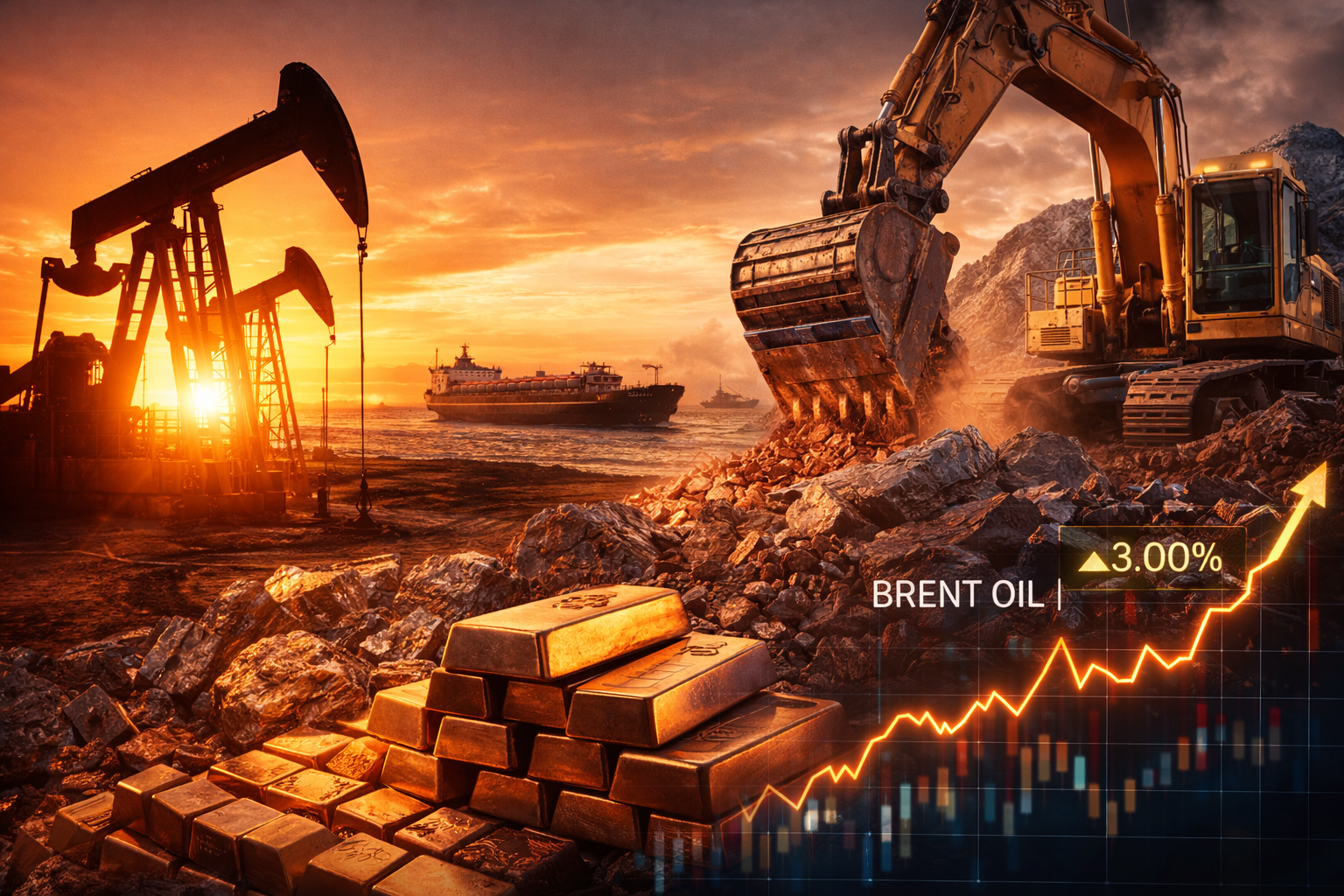
Oil prices surged roughly 3% on April 9, 2026, as concerns surrounding supply disruptions in the Strait of Hormuz continue to linger—even after a temporary ceasefire between the U.S. and Iran. According to Reuters Energy Desk reporting, traders remain cautious, warning that any instability in this critical shipping lane could quickly tighten global supply further.
For investors, this is not just an energy story—it’s a cross-sector shockwave. Rising oil prices are feeding into a broader commodity narrative, with direct implications for metals and mining companies that rely heavily on energy-intensive production.
Why the Strait of Hormuz Still Matters
Roughly 20% of the world’s oil supply passes through the Strait of Hormuz, making it one of the most strategically important chokepoints in global energy markets.
Even with a ceasefire in place, the risks remain:
- Military tensions have not been fully resolved
- Shipping disruptions remain a possibility
- Insurance and freight costs are rising
According to analysis from Bloomberg and energy market strategists, markets are pricing in a geopolitical risk premium, which is now being reflected in crude prices.
This creates a fragile environment where:
- Even minor disruptions can trigger sharp price spikes
- Volatility becomes the norm rather than the exception
- Commodity markets remain highly reactive to headlines
The Immediate Impact: Oil Prices and Inflation Pressure
Higher oil prices ripple through the global economy in multiple ways.
1. Rising Input Costs Across Industries
Energy is a foundational input for:
- Mining operations
- Metal smelting and refining
- Transportation and logistics
When oil prices rise:
- Diesel costs increase for mining fleets
- Electricity prices often follow (especially in fossil-fuel-dependent regions)
- Shipping costs for raw materials and finished goods climb
For metals and mining companies, this translates directly into:
- Higher operating expenses
- Margin compression (if costs can’t be passed on)
2. Inflationary Pressures Return
Oil is a key driver of inflation. A sustained rise in prices could:
- Complicate central bank policy
- Delay interest rate cuts
- Impact broader market sentiment
Institutions like the Federal Reserve and the Bank of Canada are closely monitoring energy-driven inflation trends.
For investors, this introduces a macro layer:
- Higher rates for longer could pressure equities
- Commodity-linked assets may outperform
Why This Matters for Metals & Mining Investors
The metals and mining sector sits at a unique intersection of commodity demand and energy dependence.
1. Energy Costs Are a Critical Margin Driver
Mining and processing metals—especially aluminum, copper, and steel—are highly energy-intensive.
Companies such as:
- Rio Tinto
- BHP
- Barrick Gold
all face significant exposure to:
- Fuel costs
- Electricity prices
- Transportation expenses
When oil rises:
- Production costs increase
- Profit margins can shrink unless commodity prices rise in tandem
2. Commodity Bull Case Strengthens
Paradoxically, higher energy prices can also support higher metal prices.
Here’s why:
- Rising production costs reduce supply growth
- Inflation concerns boost demand for hard assets
- Investors rotate into commodities as a hedge
According to commodity strategists cited by Goldman Sachs, periods of elevated energy prices often coincide with:
- Stronger performance in metals
- Increased investor allocation to commodity sectors
This creates a dual dynamic:
- Short-term margin pressure
- Long-term pricing support
3. Gold and Safe-Haven Metals Gain Appeal
Geopolitical instability and rising oil prices typically drive interest in safe-haven assets like gold.
Companies such as Barrick Gold and Newmont may benefit from:
- Increased investor demand
- Rising gold prices
- Portfolio hedging strategies
This trend is reinforced during periods of:
- Geopolitical uncertainty
- Currency volatility
- Inflation concerns
Future Trends to Watch
1. Sustained Energy Volatility
Even with a ceasefire, the structural risks remain.
Key factors to monitor:
- Iran-U.S. relations
- Shipping security in the Gulf region
- OPEC+ production decisions
Any escalation could push oil prices significantly higher.
2. Cost Pass-Through Ability
Not all mining companies are equal.
Investors should evaluate:
- Which companies can pass costs to customers
- Which have long-term energy contracts
- Which operate in lower-cost regions
Firms with strong pricing power and efficient operations will be better positioned.
3. Shift Toward Energy Efficiency
Rising energy costs could accelerate:
- Investment in renewable energy for mining operations
- Electrification of equipment
- Efficiency improvements
Companies that adapt quickly may gain a competitive advantage.
4. Broader Commodity Supercycle Narrative
The current environment feeds into a larger narrative:
- Supply constraints across commodities
- Rising global demand (especially for energy transition metals)
- Increasing geopolitical fragmentation
Some analysts, including those referenced by McKinsey, suggest this could signal the early stages of a commodity supercycle.
Key Investment Insight
The latest oil price surge is more than a short-term reaction—it’s a signal of structural tension in global supply chains.
For investors, the opportunity lies in understanding the second-order effects.
Actionable strategies include:
- Monitor energy prices as a leading indicator for metals and mining performance
- Focus on low-cost producers with strong margins and operational efficiency
- Consider exposure to gold and safe-haven metals as geopolitical hedges
- Look for companies investing in energy efficiency, which could improve long-term profitability
- Stay alert to macro signals, particularly inflation and central bank responses
At the same time, caution is warranted:
- Short-term volatility could impact earnings
- Margin pressure may lead to earnings surprises
The Bigger Picture
The surge in oil prices highlights a critical reality for today’s markets:
geopolitics and commodities are once again deeply intertwined.
For metals and mining investors, this creates both:
- Risk in the form of rising costs
- Opportunity through higher commodity prices
The companies that succeed in this environment will be those that can balance cost control with strategic positioning in a tightening supply landscape.
As global markets continue to react to geopolitical developments, staying ahead of these interconnected trends will be essential for investors navigating the next phase of the commodity cycle.
Stay informed with MoneyNews.Today for daily, in-depth analysis and actionable insights across global markets, commodities, and emerging investment trends.