The surge in oil prices is once again commanding global market attention—and investors are starting to ask a familiar question: Is the commodity supercycle back in full force?
With crude prices climbing to multi-year highs amid escalating geopolitical tensions surrounding the Strait of Hormuz and Iran, commodity markets are flashing signals that go far beyond short-term volatility. According to Reuters and Investopedia (April 7, 2026), the latest spike is not just a reaction to headlines—it’s reinforcing a broader narrative that has been building for years: global demand, constrained supply, and geopolitical risk are aligning to support a long-term commodity upcycle.
For investors, this moment represents both a warning and an opportunity. Commodities are once again proving their role as macro-sensitive assets, capable of outperforming when uncertainty dominates the global landscape.
The Oil Shock That’s Driving Markets
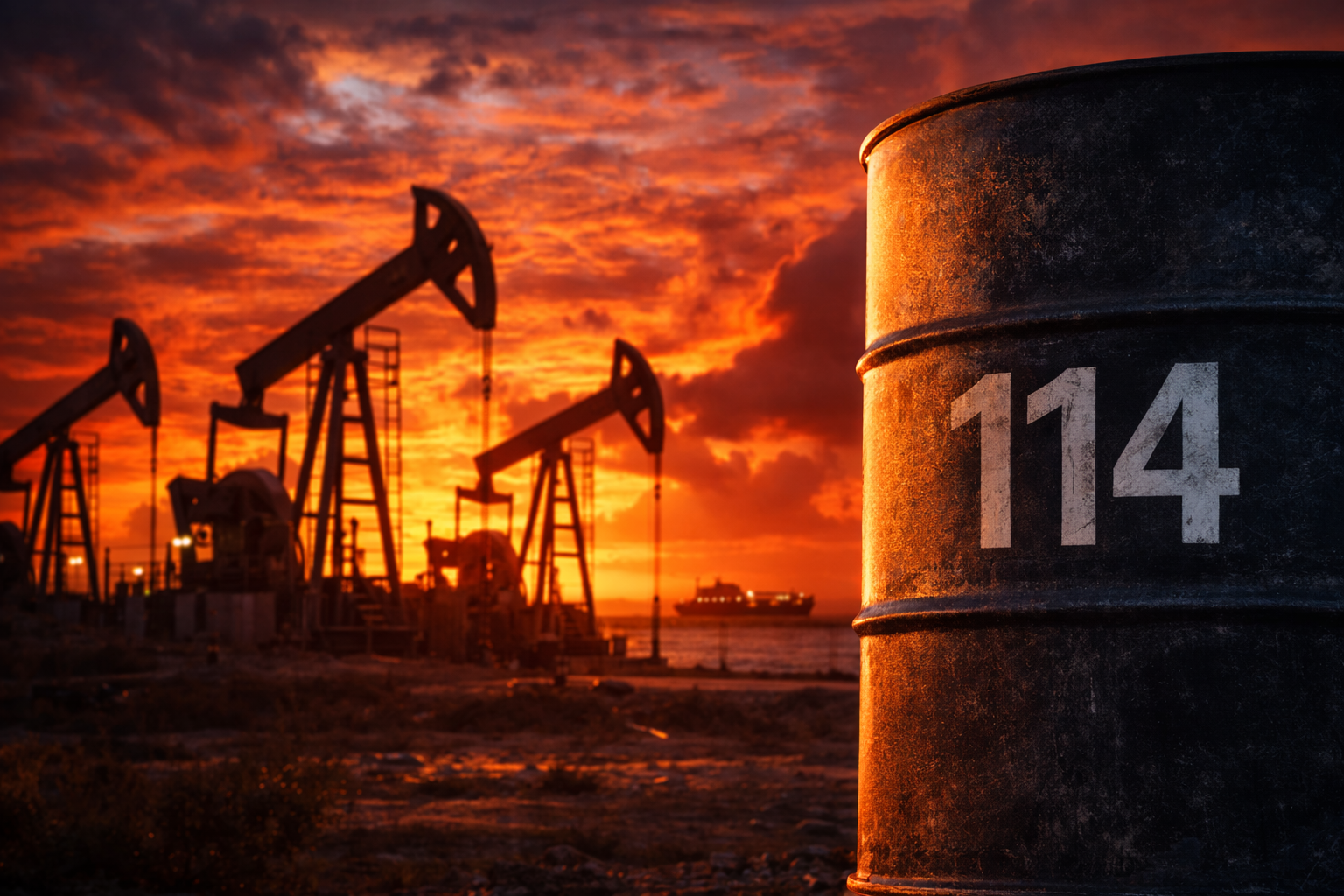
Oil prices have surged past $114 per barrel, driven by fears of supply disruption in one of the world’s most critical energy corridors. The Strait of Hormuz handles a significant share of global oil shipments, and any threat to its stability has immediate ripple effects across markets.
This latest spike has been fueled by:
- Rising geopolitical tensions involving Iran
- Concerns over potential supply disruptions
- Increased risk premiums in energy markets
Historically, oil shocks of this magnitude have triggered broad commodity rallies, as investors reposition portfolios to hedge against inflation and geopolitical uncertainty.
What makes the current environment particularly notable is that it comes at a time when supply-side constraints were already tightening due to underinvestment in energy infrastructure over the past decade.
Why This Matters for Investors
The implications of rising oil prices extend far beyond the energy sector. They influence inflation, interest rates, currency markets, and equity performance.
1. Commodities as a Geopolitical Hedge
One of the primary reasons investors turn to commodities is their ability to perform during periods of geopolitical stress.
When uncertainty rises:
- Oil and energy assets typically rally
- Precious metals like gold often gain
- Mining and resource stocks outperform
This dynamic is playing out again. As tensions escalate, capital is flowing into commodities as a defensive positioning strategy.
For investors, this reinforces the importance of maintaining exposure to hard assets in a diversified portfolio.
2. The Supercycle Narrative Gains Momentum
The concept of a commodity supercycle—an extended period of strong demand and rising prices—has been widely debated in recent years.
Several structural factors are now supporting this narrative:
- Underinvestment in supply: Years of reduced capital expenditure in energy and mining sectors
- Rising global demand: Driven by emerging markets and industrial growth
- Energy transition dynamics: Increased demand for metals used in clean energy technologies
- Geopolitical fragmentation: Supply chains becoming more localized and less efficient
The recent oil surge adds another layer to this story, suggesting that commodities may be entering a sustained period of strength.
3. Resource-Heavy Markets Are Benefiting
Countries with strong exposure to commodities are seeing renewed investor interest.
In particular:
- Canada’s resource-heavy equity markets are benefiting from higher oil and mining revenues
- Energy and mining companies are experiencing improved margins
- Commodity-linked currencies are gaining support
This creates opportunities not just in individual stocks, but in regional market exposure.
The Broader Impact on Metals & Mining
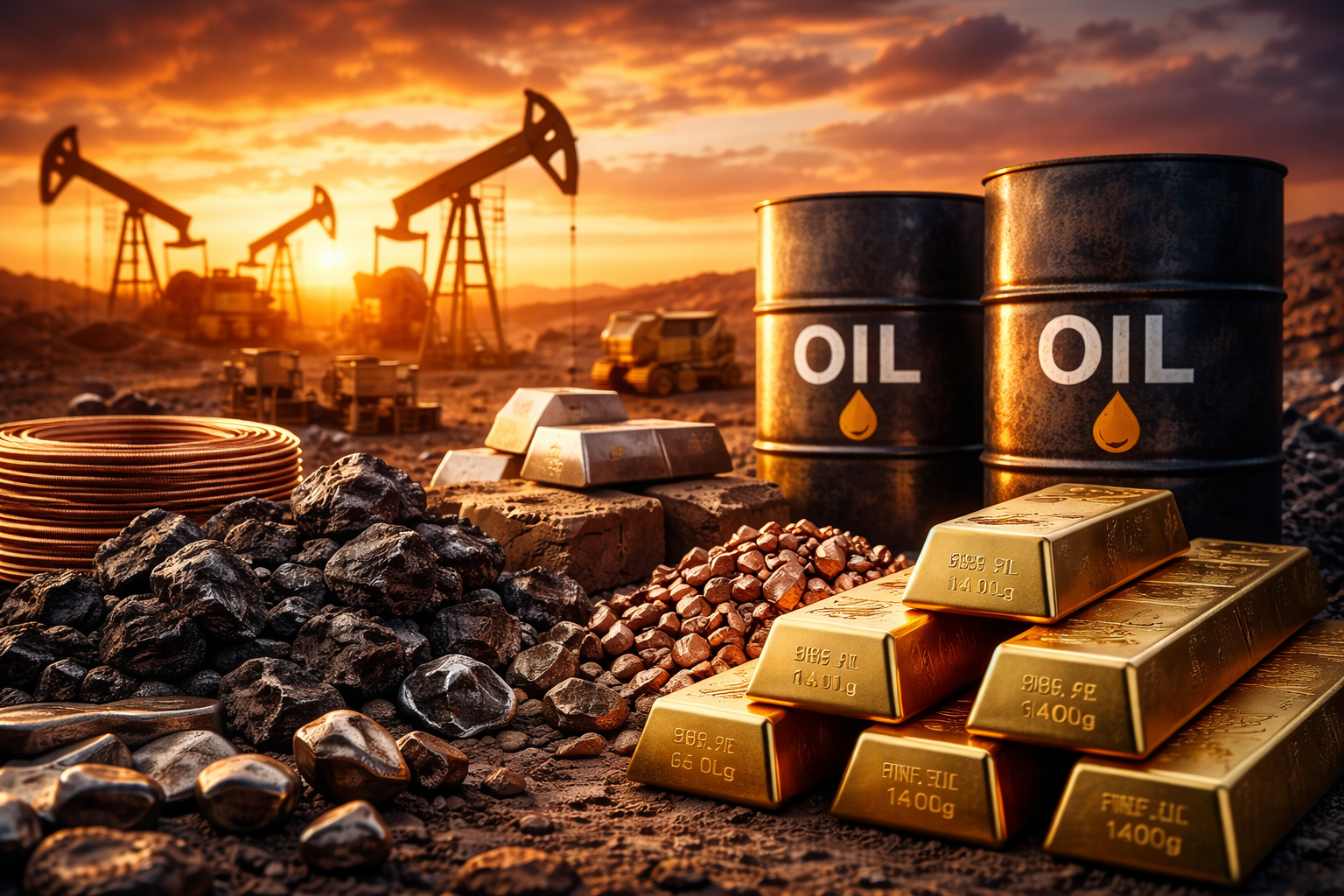
While oil is leading the current rally, its impact extends across the broader metals and mining sector.
⛏️ Increased Demand for Industrial Metals
Higher energy prices often coincide with increased investment in infrastructure and energy projects, driving demand for metals like copper, aluminum, and steel.
🏗️ Mining Margins Improve
Rising commodity prices generally lead to higher profitability for mining companies, particularly those with low production costs.
🔋 Energy Transition Metals
The push toward renewable energy continues to support demand for critical minerals such as lithium, nickel, and cobalt—key components in batteries and clean technologies.
As a result, the metals and mining sector is positioned to benefit from both short-term price movements and long-term structural trends.
What the Data and Experts Are Saying
According to Reuters (April 7, 2026), the latest oil rally is being closely watched as a potential confirmation of the commodity supercycle thesis.
Additional insights from industry research include:
- Goldman Sachs has previously described commodities as entering a “structural bull market” driven by supply constraints
- Bloomberg Intelligence highlights the sensitivity of commodity prices to geopolitical disruptions
- The International Energy Agency (IEA) continues to warn about insufficient investment in global energy supply
These perspectives point to a consistent theme: the balance between supply and demand is tightening, creating upward pressure on prices.
Risks Investors Should Consider
While the outlook for commodities is increasingly positive, there are risks to keep in mind.
⚠️ Demand Slowdown
A global economic slowdown could reduce demand for commodities, offsetting supply-driven price increases.
⚠️ Policy Intervention
Governments may intervene to stabilize energy markets, particularly if prices rise too quickly.
⚠️ Volatility
Commodity markets are inherently volatile, with prices often reacting sharply to news and events.
⚠️ Overcrowded Trades
As more investors move into commodities, certain trades may become crowded, increasing the risk of corrections.
Understanding these risks is essential for navigating the sector effectively.
Future Trends to Watch
🌍 Geopolitical Developments
Ongoing tensions in the Middle East and other regions will continue to influence commodity prices.
⚡ Energy Transition
The shift toward renewable energy will reshape demand patterns across the metals and mining sector.
🏗️ Infrastructure Investment
Global infrastructure spending could drive sustained demand for industrial metals.
📊 Capital Flows into Commodities
Institutional investors may increase allocations to commodities as part of diversification strategies.
Key Investment Insight
Commodities are once again proving their value as strategic assets in uncertain times.
For investors, the current environment highlights several key opportunities:
- Exposure to energy and mining companies
- Diversification through commodity-linked assets
- Positioning for long-term structural trends in supply and demand
The resurgence of commodities is not just a short-term trade—it reflects deeper changes in the global economic landscape.
Investment Outlook: Commodities Reclaim Center Stage
The latest oil surge is a powerful reminder that commodities remain at the heart of the global economy.
As geopolitical tensions rise and supply constraints persist, the case for a commodity supercycle is becoming increasingly difficult to ignore. While volatility is inevitable, the underlying fundamentals suggest that commodities could play a central role in portfolios for years to come.
For investors willing to navigate the complexity, this environment offers a rare combination of defensive strength and growth potential.
Stay ahead of the markets with MoneyNews.Today, your trusted source for daily investor insights, breaking trends, and actionable financial analysis.