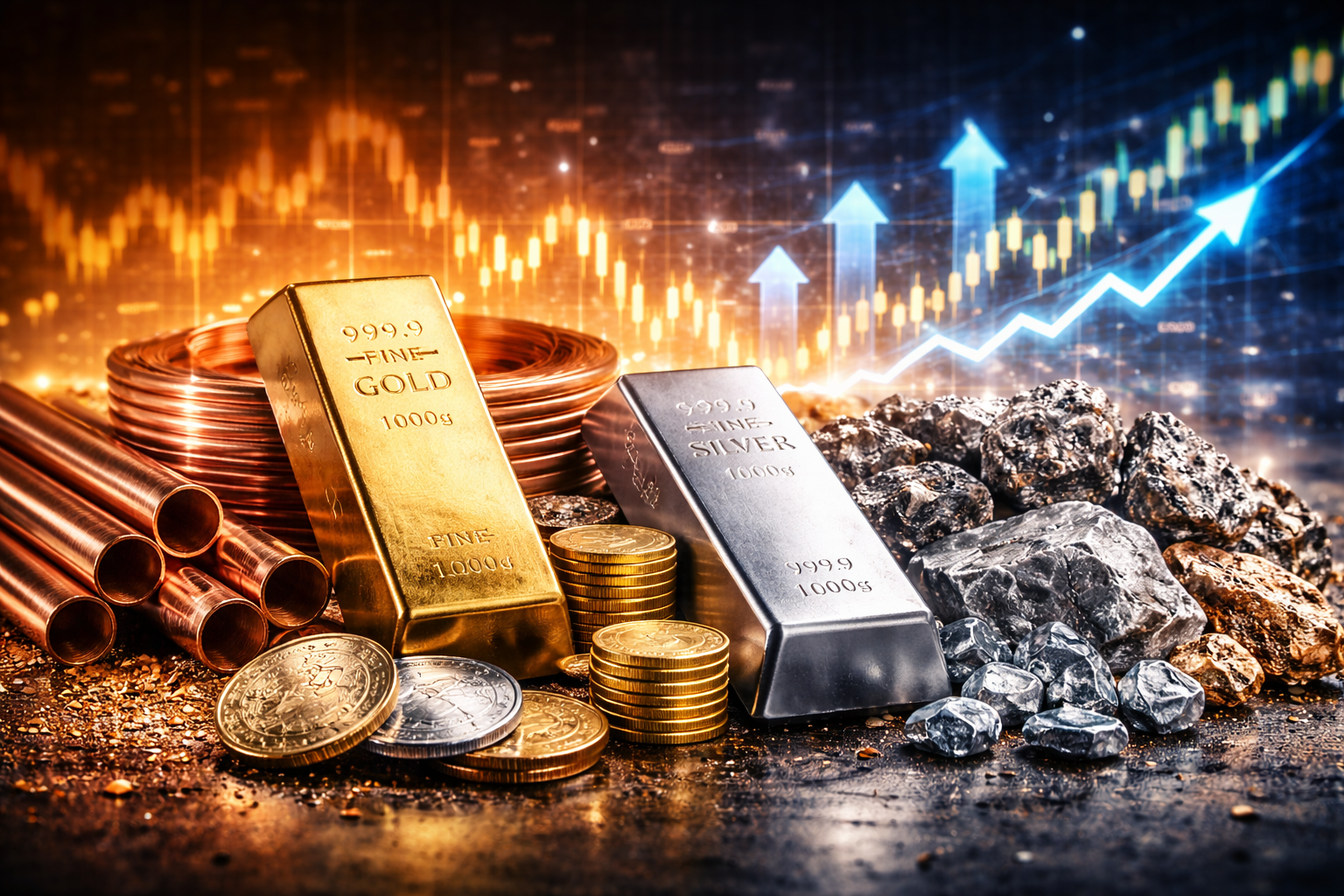
A powerful rally is unfolding across global commodity markets, with gold, silver, copper, and platinum all pushing to record highs as investors seek shelter from rising geopolitical tension, trade uncertainty, and persistent macro volatility. While equity markets grapple with shifting policy signals and risk-off sentiment, capital is flowing steadily into hard assets, reviving the role of metals as both inflation hedges and strategic portfolio diversifiers.
The surge reflects more than short-term fear. It signals a structural tightening in supply, resilient industrial demand, and a growing recognition that the global energy transition and infrastructure buildout are metals-intensive trends likely to shape markets for years to come.
Why This Matters for Investors
According to Bloomberg and Reuters commodities data, spot gold and silver prices have reached new all-time highs this week, while copper and platinum have also broken key technical resistance levels. The moves come amid escalating geopolitical uncertainty, renewed tariff concerns, and expectations that central banks may maintain higher-for-longer interest rate policies, reinforcing the appeal of tangible assets.
Historically, periods of heightened political and economic stress have coincided with strong performance in precious metals. Research from the World Gold Council shows that gold tends to outperform equities during risk-off phases, offering both downside protection and diversification benefits. At the same time, industrial metals like copper are benefiting from long-term demand drivers tied to electrification, renewable energy, and global infrastructure investment.
For investors, the convergence of safe-haven demand and structural growth in industrial usage makes the current metals rally particularly compelling.
Precious Metals: Safe-Haven Demand Returns
Gold’s ascent reflects a classic flight to safety. Central banks, especially in emerging markets, have continued to increase gold reserves as a hedge against currency volatility and geopolitical risk, according to the International Monetary Fund and World Gold Council. Silver, often seen as both a monetary and industrial metal, has followed suit, benefiting from its dual role in investment demand and applications in solar panels and electronics.
Platinum’s rally has been supported by supply constraints and recovering demand from the automotive and hydrogen sectors. Analysts at UBS and Bank of America note that tightening mine output in South Africa, combined with growing interest in fuel-cell technologies, is improving the metal’s long-term demand outlook.
Industrial Metals: Copper in the Spotlight
Copper’s record highs are particularly significant for equity and macro investors alike. Often referred to as “Dr. Copper” for its ability to diagnose economic health, the metal is a critical input for power grids, electric vehicles, data centers, and renewable energy systems. According to the International Energy Agency, global demand for copper could double by 2040 as electrification accelerates, while new mine supply is struggling to keep pace.
McKinsey estimates that the world could face a structural copper deficit by the end of the decade without substantial new investment in mining capacity. This imbalance is already being reflected in futures markets, where long-dated contracts are pricing in sustained tightness.
For mining equities, higher copper prices translate into expanding margins and improved cash flow, particularly for producers with low-cost operations and long reserve lives.
Mining Equities and Capital Flows
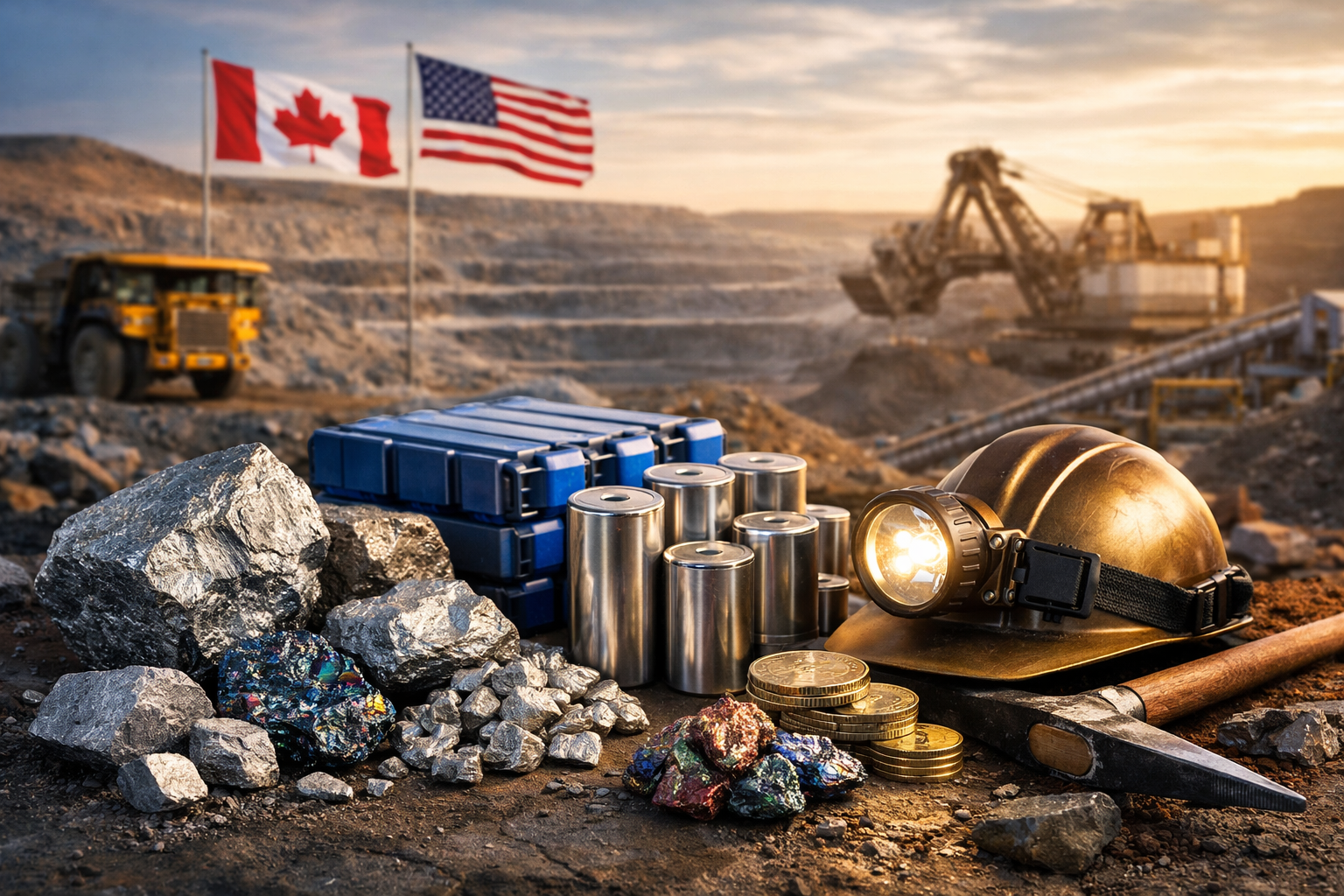
The rally in underlying metals is beginning to filter through to mining stocks. According to data from major ETF providers and brokerage research, gold miners, diversified miners, and base-metal producers have seen renewed institutional inflows as investors look for leveraged exposure to rising commodity prices.
Historically, mining equities have tended to outperform the metals themselves during sustained upcycles due to operating leverage. However, analysts at Goldman Sachs and RBC Capital Markets caution that selectivity remains crucial. Balance-sheet strength, geopolitical risk in operating regions, and cost inflation—particularly energy and labor—can significantly influence company-level performance.
Future Trends to Watch
Several factors could shape the next phase of the metals rally:
- Central Bank Policy: Persistent inflation or delayed rate cuts could continue to support gold and silver as monetary hedges.
- Energy Transition Demand: Electric vehicles, grid expansion, and renewable projects will remain key drivers for copper and other base metals.
- Supply Constraints: Permitting delays, declining ore grades, and geopolitical risk in major mining regions may limit new supply growth.
- Currency Movements: A weaker U.S. dollar historically boosts dollar-denominated commodity prices, adding another layer of support.
Key Investment Insight
The simultaneous strength in precious and industrial metals underscores their dual role in today’s portfolios: protection against macro uncertainty and participation in long-term structural growth. For investors, a balanced approach may include direct exposure to metals through ETFs or futures, complemented by selective positions in high-quality mining companies with strong balance sheets and low production costs.
Copper and other base metals tied to electrification and digital infrastructure appear particularly well positioned over the medium to long term, while gold and silver continue to offer defensive characteristics during periods of geopolitical and financial stress.
As volatility persists across global markets, hard assets are once again proving their relevance. Stay informed with MoneyNews.Today for daily coverage of commodity trends, mining equities, and the macro forces shaping the global investment landscape.