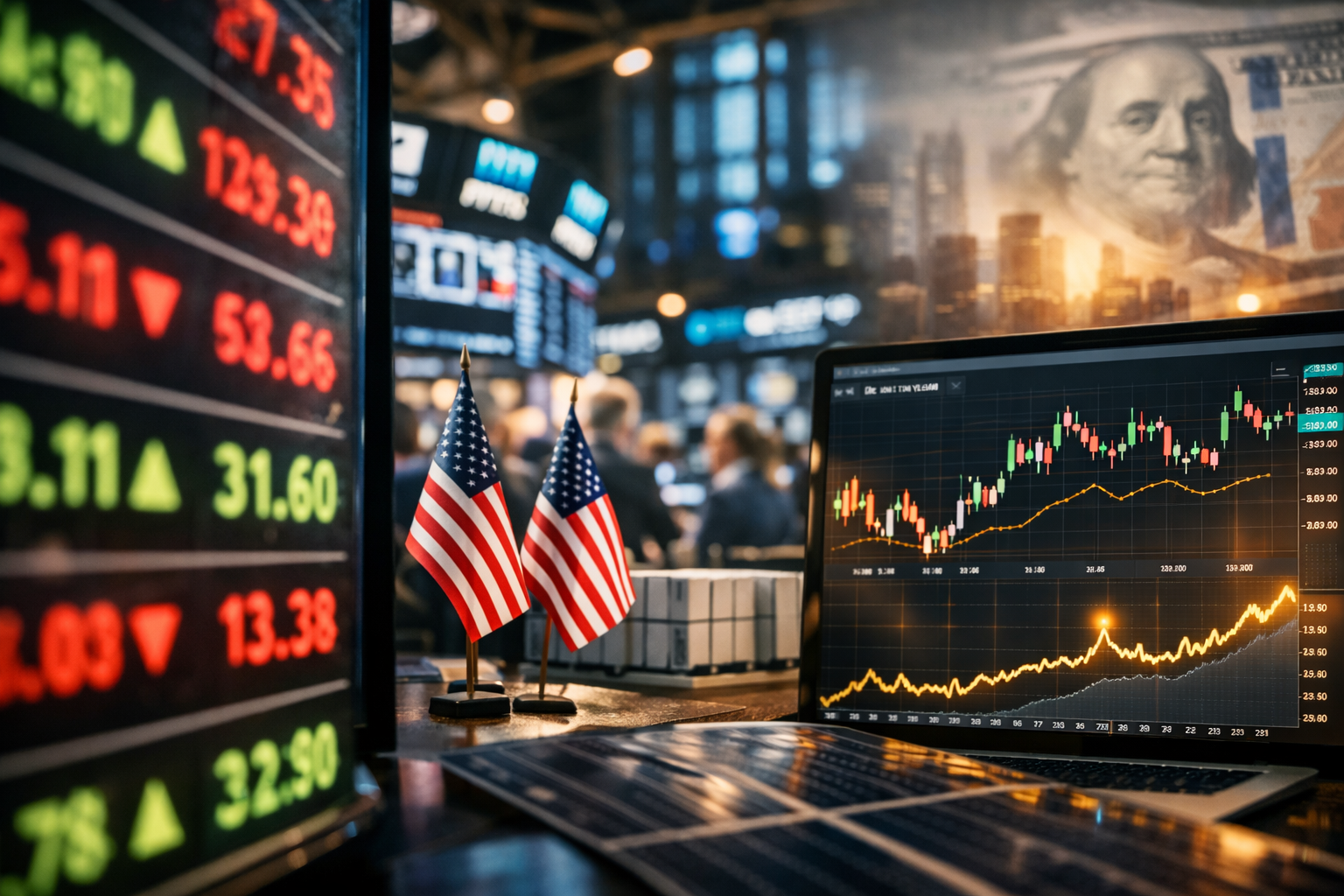
With the final Federal Reserve meeting of the year just days away, global markets are holding their breath. Futures markets now imply an 86% probability of a December rate cut, according to data cited by Reuters, marking one of the strongest bets on policy easing in months. Yet beneath the optimism, a layer of unease lingers: divergence inside the Fed, geopolitical tensions across Asia, and fragile investor sentiment are keeping volatility high across equities, commodities, and currencies.
In a year defined by oscillating inflation data, uneven economic growth, and rising geopolitical flashpoints, investors are navigating a landscape where policy signals and global politics are increasingly intertwined. The stakes for the December meeting are exceptionally high — not just for U.S. markets, but for cross-border capital flows and global risk appetite.
Markets Brace for a Pivotal Decision
Fed-watchers have pointed to a combination of easing inflation pressures and softer labor-market indicators as the catalysts behind rising rate-cut expectations. The CME FedWatch tool, often referenced by Bloomberg and other financial outlets, shows traders pricing in a strong likelihood of a 25-basis-point cut — the first in many months.
U.S. Treasury yields have already reacted, slipping lower as bond markets begin to position for a more accommodative policy stance. The S&P 500 has held steady near recent highs, while the Nasdaq has shown renewed strength amid hopes that lower borrowing costs could support valuations in tech, AI, and high-growth segments.
Yet the optimism remains guarded. Several Fed officials have signaled reluctance to declare victory over inflation, warning that premature cuts could reignite price pressures. This hawkish undertone has created a notable divergence between market expectations and policy communication — a gap that could trigger volatility if not carefully managed.
Geopolitical Tensions Add a Layer of Complexity
Beyond domestic policy debates, global investors are increasingly focused on geopolitical risks — particularly in Asia. Rising military posturing in the South China Sea, renewed tensions between Taiwan and China, and ongoing supply-chain realignments have added uncertainty to a fragile macro environment.
Recent reporting from Reuters and regional think tanks suggests that geopolitical risk indicators are at their highest levels since mid-2023. Commodity markets, especially oil and industrial metals, have reflected this uncertainty through sharper intraday swings. Any escalation could disrupt trade routes, pressure energy prices, and complicate the inflation trajectory that the Fed is monitoring closely.
For emerging markets, geopolitical volatility could amplify currency pressure, especially in economies sensitive to U.S. dollar strength and capital outflows. Investors with exposure across Asia-Pacific have been advised by several global banks to monitor hedging strategies ahead of the Fed meeting.
Why This Matters for Investors
1. A Rate Cut Could Fuel a Broad Market Rally
Lower borrowing costs tend to benefit cyclical equities, growth stocks, and commodities. Sectors like technology, industrials, real estate, and consumer discretionary could see momentum if the Fed signals a dovish pivot. Gold — often a beneficiary of lower real yields — might also attract flows.
2. A Hawkish Surprise Could Trigger Sharp Reversals
If the Fed emphasizes caution, delays cuts, or signals that inflation remains a concern, risk assets could sell off quickly. Bond yields may spike, pressuring valuations in interest-rate-sensitive sectors.
3. Geopolitics Will Remain a Key Swing Factor
Even with a rate cut, geopolitical tensions could overshadow gains. Oil price volatility, supply-chain disruptions, and regional instability — particularly in Asia — could introduce unexpected market headwinds.
4. Investors Should Watch Sector and Geography Rotation
Global fund flows could shift rapidly in response to Fed communication. Historically, rate cuts have boosted emerging markets, but geopolitical volatility may push investors toward safer geographies such as North America or developed Asia.
Future Trends to Watch
AI, Data Centers, and High-Growth Tech
Rate cuts could rejuvenate capital-intensive sectors, particularly those tied to AI infrastructure, cloud computing, and semiconductor manufacturing.
Commodities and Inflation Hedging
Gold, oil, and industrial metals may become hedging instruments as investors navigate policy uncertainty and geopolitical tensions.
Global Bond Market Realignment
Lower U.S. yields could ease pressure on sovereign debt markets in Europe and Asia, potentially triggering a new phase of cross-border bond inflows.
Currency Volatility
A dovish Fed could weaken the dollar, strengthening emerging-market currencies — though geopolitical risk may limit these gains.
Key Investment Insight
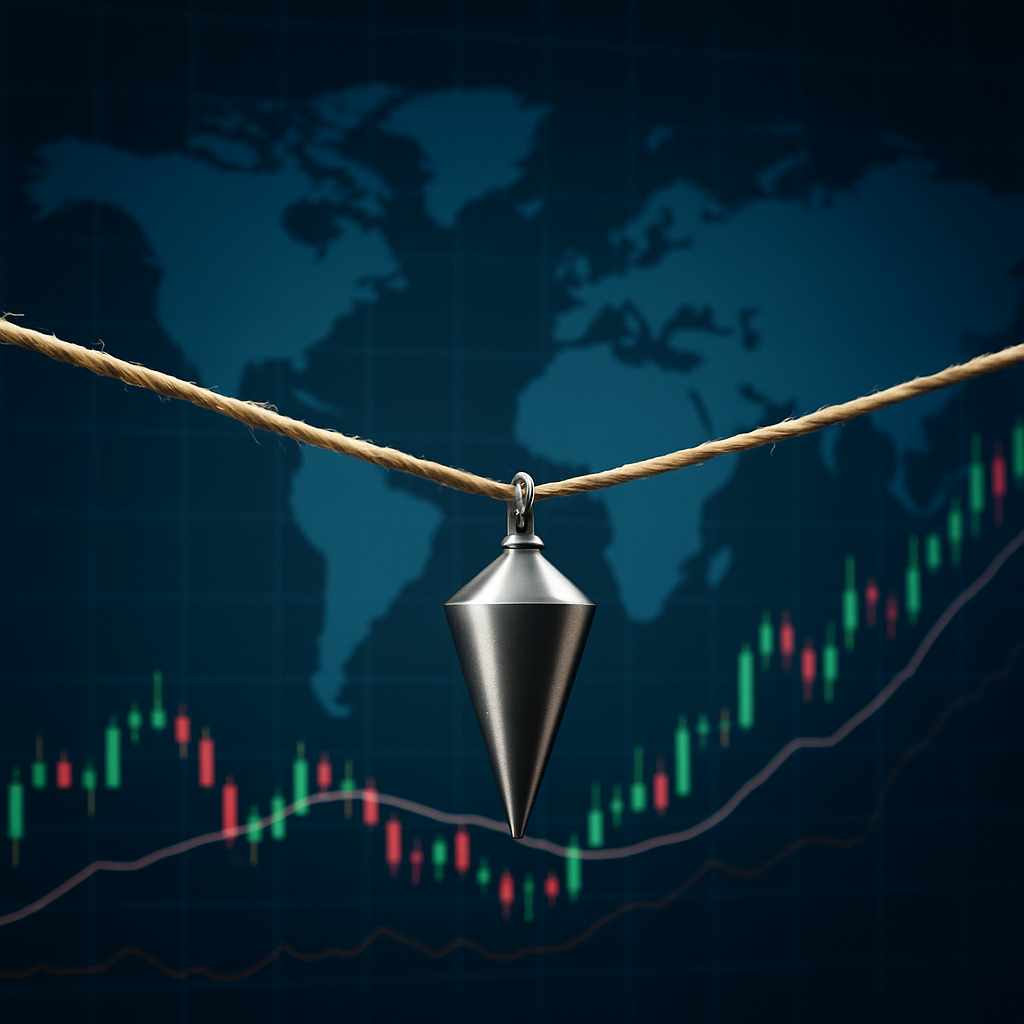
Investors face a defining moment: if the Fed cuts rates, risk assets could rally into year-end, but mixed signals or global disruptions could quickly unwind gains. Diversification across sectors and geographies — paired with defensive hedges such as gold, utilities, or inflation-linked assets — may offer a balanced approach in a market walking a tightrope between optimism and uncertainty.
Stay ahead of every macro shift and market-moving headline with MoneyNews.Today, your trusted source for timely analysis and global investor insights.