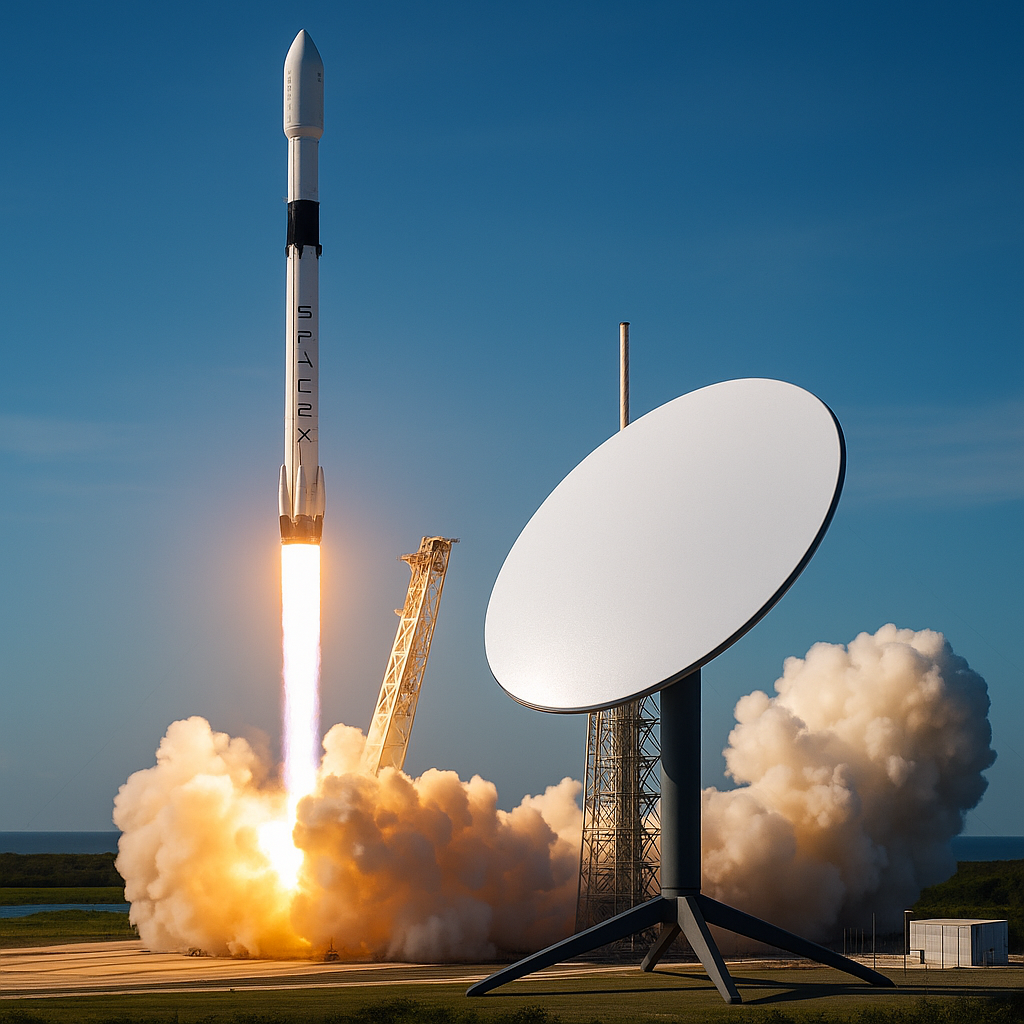
SpaceX is reportedly preparing for one of the most ambitious IPOs in corporate history, targeting a staggering $1.5 trillion valuation in 2026. According to The Guardian, proceeds from the listing could fuel the company’s expansion into space-based data centers, satellite internet services via Starlink, and Starship development — all critical components of next-generation global connectivity and AI infrastructure. For investors, this potential offering represents a rare opportunity to access a private market-leading player that sits at the intersection of space technology, AI, and advanced infrastructure.
The implications are substantial. Not only could SpaceX redefine the economics of orbital infrastructure and AI compute deployment, but the IPO may also reshape investor access to a sector that has historically been confined to venture capital and private equity channels.
Space + AI Infrastructure: A Convergence of Megatrends
SpaceX’s growth trajectory is tightly linked to megatrends in AI, connectivity, and cloud computing. As AI workloads grow exponentially, so does the demand for distributed, high-capacity data infrastructure. Analysts at Morgan Stanley estimate that by 2030, hyperscale AI workloads may require tens of thousands of satellites and exabytes of distributed compute, a niche that SpaceX is uniquely positioned to serve through Starlink and proposed orbital data centers.
Additionally, Starship development aims to reduce launch costs, enabling more frequent satellite deployments, rapid space-based manufacturing, and expanded global internet coverage. These capabilities could unlock new revenue streams, including AI-as-a-service delivered from orbit and enhanced geospatial intelligence for governments and enterprises.
Why This Matters for Investors
1. Rare Access to Space-Tech Investment
Until now, private investors have relied primarily on venture capital, private equity, or small-cap exposure to aerospace companies to capture space-sector growth. A $1.5 trillion IPO would offer public-market investors direct access to SpaceX’s diverse portfolio, bridging the gap between private innovation and public capital markets.
2. High Valuation, High Opportunity
At $1.5 trillion, SpaceX would rank among the world’s largest publicly traded companies. While the IPO provides access to an unparalleled growth story, investors must weigh execution risks, regulatory hurdles, and capital intensity inherent in large-scale space operations.
3. Strategic Exposure to AI Infrastructure
The IPO also presents indirect exposure to AI infrastructure, a sector already commanding premium valuations in the stock market. By integrating space-based data centers, SpaceX could complement terrestrial cloud providers and create a unique edge in latency-sensitive and globally distributed AI workloads.
4. Macro and Geopolitical Implications
Space-based assets carry geopolitical significance. Regulatory approvals for satellite deployment, cross-border data transmission, and defense-related technology may impact revenue and investor returns. Awareness of these risks is critical for portfolio planning and risk management.
Future Trends to Watch
- Orbital Data Center Expansion: Analysts suggest the first prototypes of orbital AI compute facilities could become operational within five years, introducing a new asset class in space-based technology.
- Satellite Internet Adoption: Starlink continues to expand coverage and revenue potential, especially in underserved global regions, driving recurring cash flows.
- Launch Cost Dynamics: Reductions in Starship launch costs could accelerate deployment cycles, increase profitability, and boost investor confidence.
- Public Market Sentiment: Given the scale and novelty of the IPO, institutional investor appetite and retail participation may drive initial trading volatility.
- AI Integration: Integration of AI workloads and cloud services into orbital infrastructure could set a precedent for next-generation tech companies combining hardware, software, and global networks.
Key Investment Insight
For long-term investors, SpaceX’s IPO represents a potentially transformative opportunity in both space-tech and AI infrastructure investing. While valuation and execution risks are significant, early public-market exposure could allow investors to benefit from a secular growth story that blends aerospace, satellite communications, and distributed AI computing. Portfolio allocations should be carefully sized, with consideration for risk tolerance and diversification, but the strategic importance of space and AI makes this offering impossible to ignore.
Stay informed with MoneyNews.Today for ongoing coverage, investor analysis, and insights as SpaceX prepares to enter the public markets and reshape the landscape of technology and infrastructure investing.