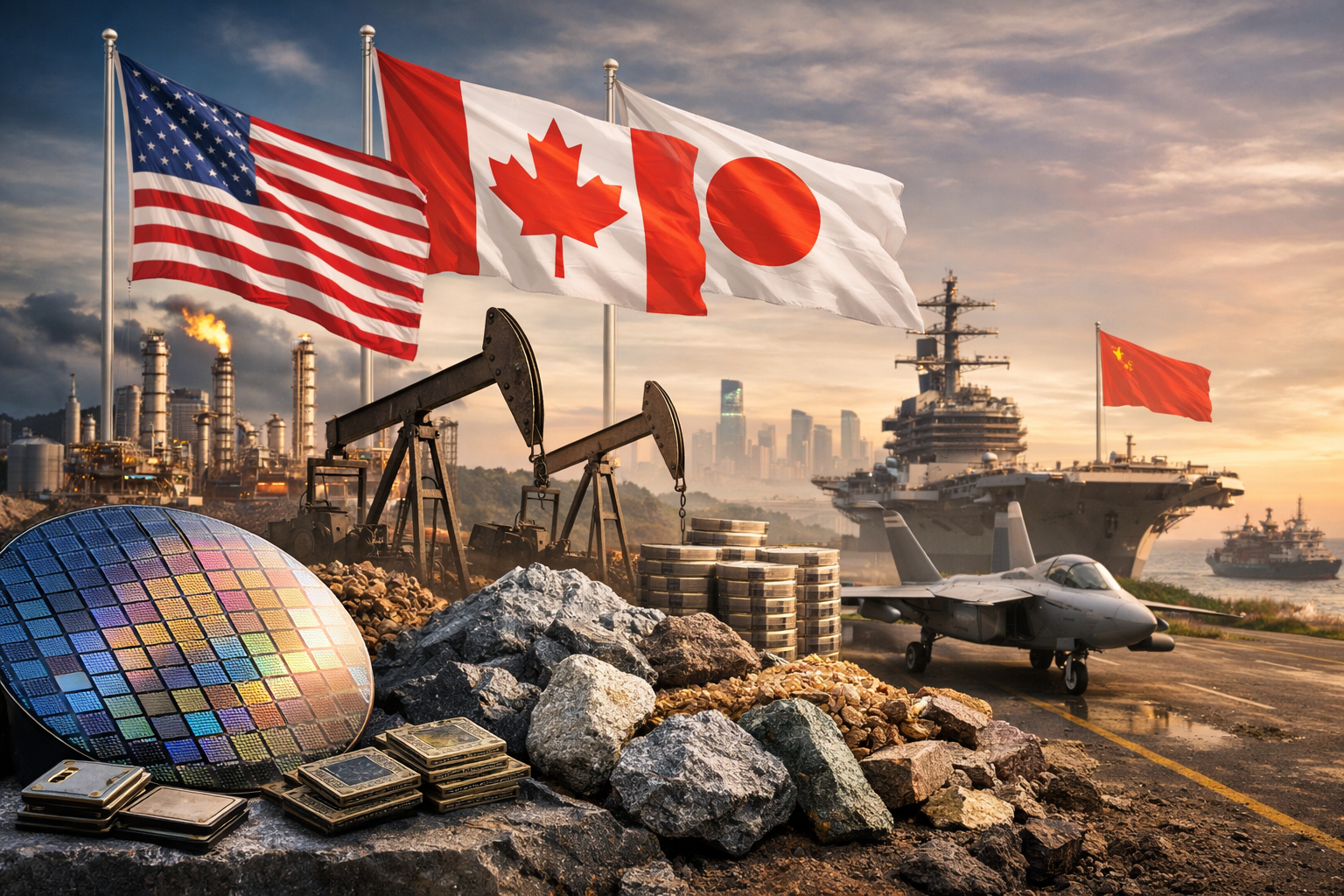
Global markets are once again being reminded that geopolitics—not earnings—can become the dominant market driver overnight. Renewed tensions between the U.S. and Europe over Greenland have injected fresh uncertainty into financial markets, triggering sharp equity volatility while sending investors rushing toward traditional safe havens such as gold and silver.
For investors, the message is clear: risk appetite is fragile, correlations are rising, and capital is rotating fast.
Markets React as Risk Sentiment Shifts
Canadian and U.S. equity markets have responded unevenly to the latest geopolitical developments. Futures tied to Canada’s TSX Composite edged higher, supported by strength in commodities and mining-linked equities, while U.S. stocks suffered one of their steepest sell-offs in months earlier this week before staging a tentative rebound in futures trading.
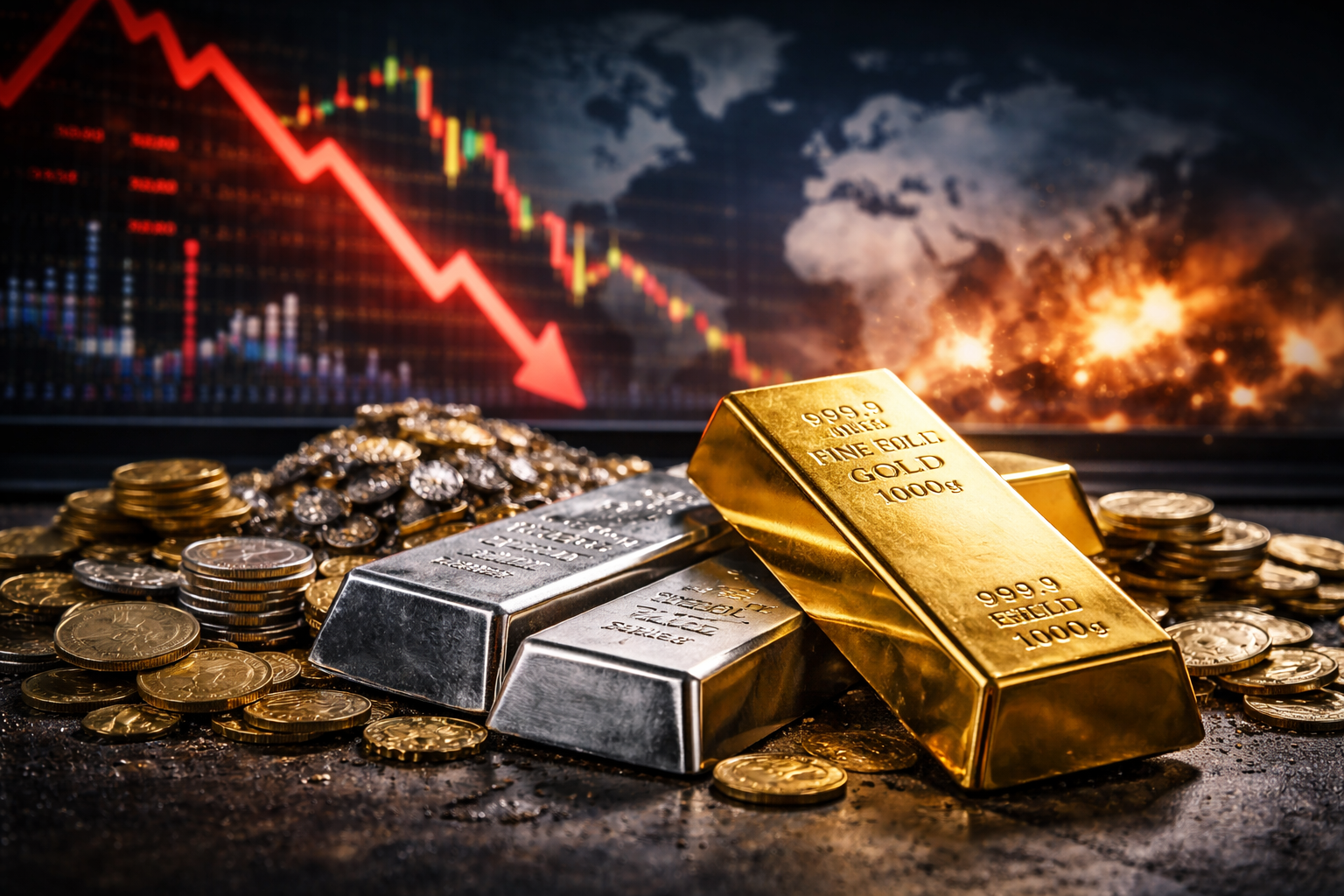
According to Reuters, the divergence reflects a classic risk-off rotation. Capital flowed out of growth-sensitive and internationally exposed equities and into assets perceived as hedges against political instability and policy uncertainty. Precious metals were among the biggest beneficiaries, with gold and silver prices pushing higher as volatility spiked.
This type of market behavior underscores how quickly investor focus can pivot when geopolitical headlines threaten trade flows, diplomatic stability, or global supply chains.
Why This Matters for Investors
Geopolitical risk has re-emerged as a primary market catalyst at a time when valuations remain elevated and investor positioning had leaned heavily toward risk assets. The U.S.–Europe standoff has raised concerns about potential trade disruptions, retaliatory policies, and longer-term fragmentation of economic alliances.
Historically, periods of heightened geopolitical uncertainty tend to compress equity valuations, increase volatility, and boost demand for real assets. Bloomberg market strategists have noted that when policy unpredictability rises, investors often prioritize capital preservation over growth, at least in the short term.
For diversified portfolios, this environment challenges assumptions about stability and reinforces the importance of sector balance and risk management.
Precious Metals Shine as Safe Havens
The rally in gold and silver reflects more than short-term fear. Precious metals are responding to a broader mix of geopolitical risk, currency uncertainty, and concerns about fiscal discipline in major economies. Analysts cited by Reuters note that gold’s appeal strengthens when political risk coincides with questions about long-term monetary policy credibility.
Canada’s equity market, with its heavy exposure to mining and resource producers, has benefited from this trend. Rising metal prices tend to support earnings expectations for producers, offering a partial buffer against broader equity market weakness.
For investors, this dynamic highlights the role of commodities not just as inflation hedges, but as geopolitical insurance.
U.S. Equities Face Heightened Sensitivity
U.S. markets, particularly growth-heavy indices, have proven more vulnerable to recent developments. Technology and multinational stocks bore the brunt of the earlier sell-off, reflecting concerns over supply chains, regulatory retaliation, and global demand uncertainty.
While futures rebounded modestly, market participants remain cautious. Analysts warn that volatility could persist as long as geopolitical headlines continue to drive sentiment rather than fundamentals.
McKinsey has previously highlighted that geopolitical shocks increasingly transmit through markets faster than economic data, making short-term forecasting more difficult and increasing the value of defensive positioning.
What Investors Should Watch Next
Several factors will shape near-term market direction:
- Diplomatic developments: Any de-escalation signals could quickly stabilize markets, while further escalation may intensify risk-off flows.
- Commodity price action: Sustained strength in gold and silver would suggest ongoing investor anxiety.
- Sector rotation: Defensive sectors, energy, and materials may continue to outperform if uncertainty lingers.
- Volatility indicators: Elevated volatility often precedes tactical trading opportunities but also signals higher downside risk.
Earnings season may temporarily refocus attention on fundamentals, but geopolitical risk remains the dominant overlay.
Key Investment Insight
The current market environment reinforces a critical lesson: geopolitical risk is no longer a background factor—it is a core investment variable. Investors may want to reassess portfolio exposure to assets vulnerable to global trade friction while maintaining strategic allocations to defensive assets and commodities.
Rather than attempting to time short-term swings, disciplined investors often focus on diversification, balance, and quality—especially during periods when headlines, not fundamentals, are moving markets.
As global politics and markets grow increasingly intertwined, staying informed is essential.
Stay ahead of the forces shaping markets, capital flows, and investor sentiment with MoneyNews.Today—your trusted source for daily, investor-focused market intelligence.