Markets are rallying—but conviction is thin.
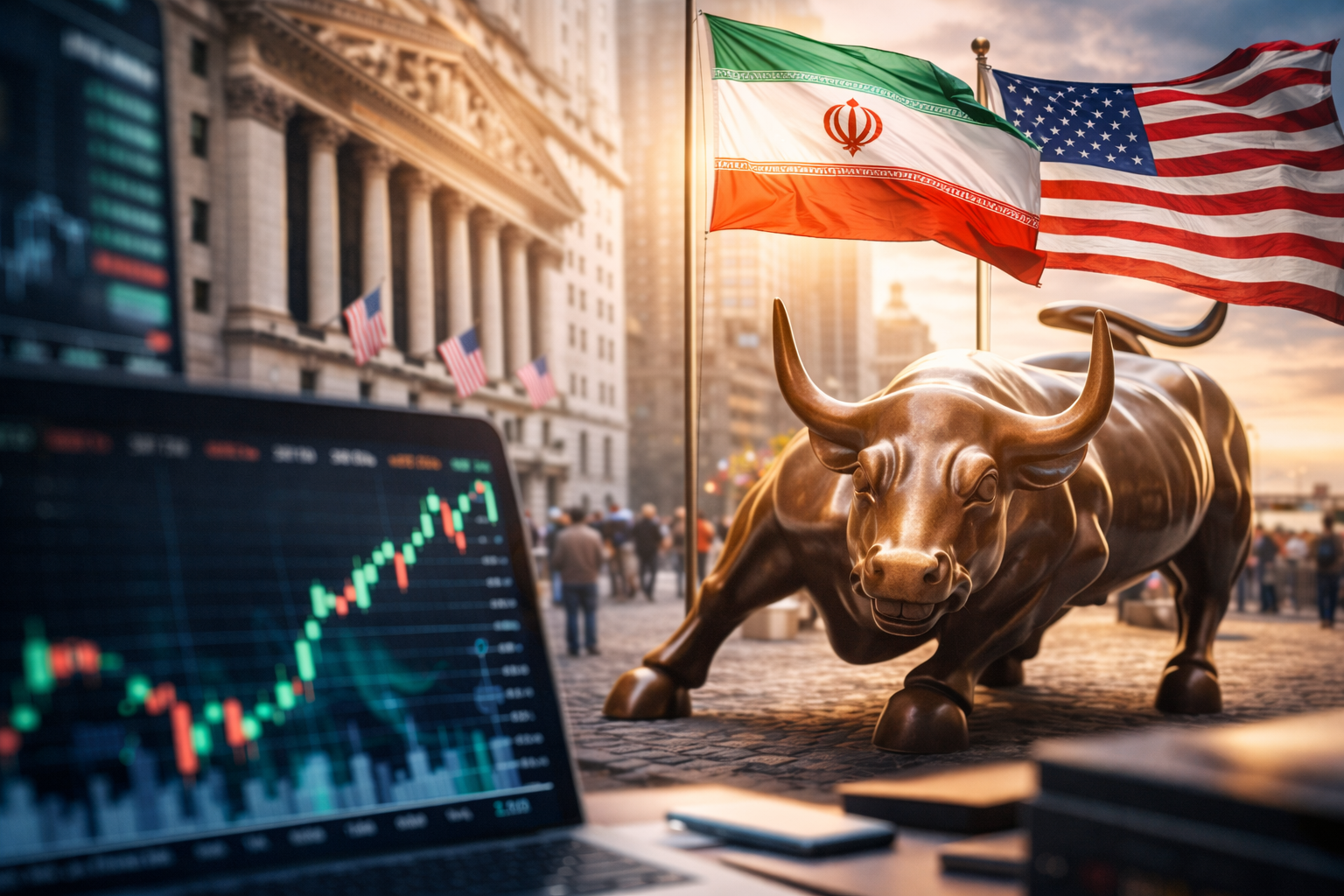
Global equities are extending gains for a second consecutive session as investors react to signs of easing geopolitical tensions ahead of high-stakes U.S.–Iran negotiations. According to Reuters Markets (April 10, 2026), U.S. stocks are being supported by a drop in immediate conflict risk, with technology and cyclical sectors leading the advance.
But beneath the surface, this rally carries a familiar warning: it’s being driven more by headlines than by fundamentals. With oil prices still elevated and inflation risks lingering, investors are navigating a market that could shift direction as quickly as the news cycle changes.
A Market Moving on Headlines, Not Fundamentals
The current rally highlights a growing trend in global markets—geopolitics is driving price action more than economic data.
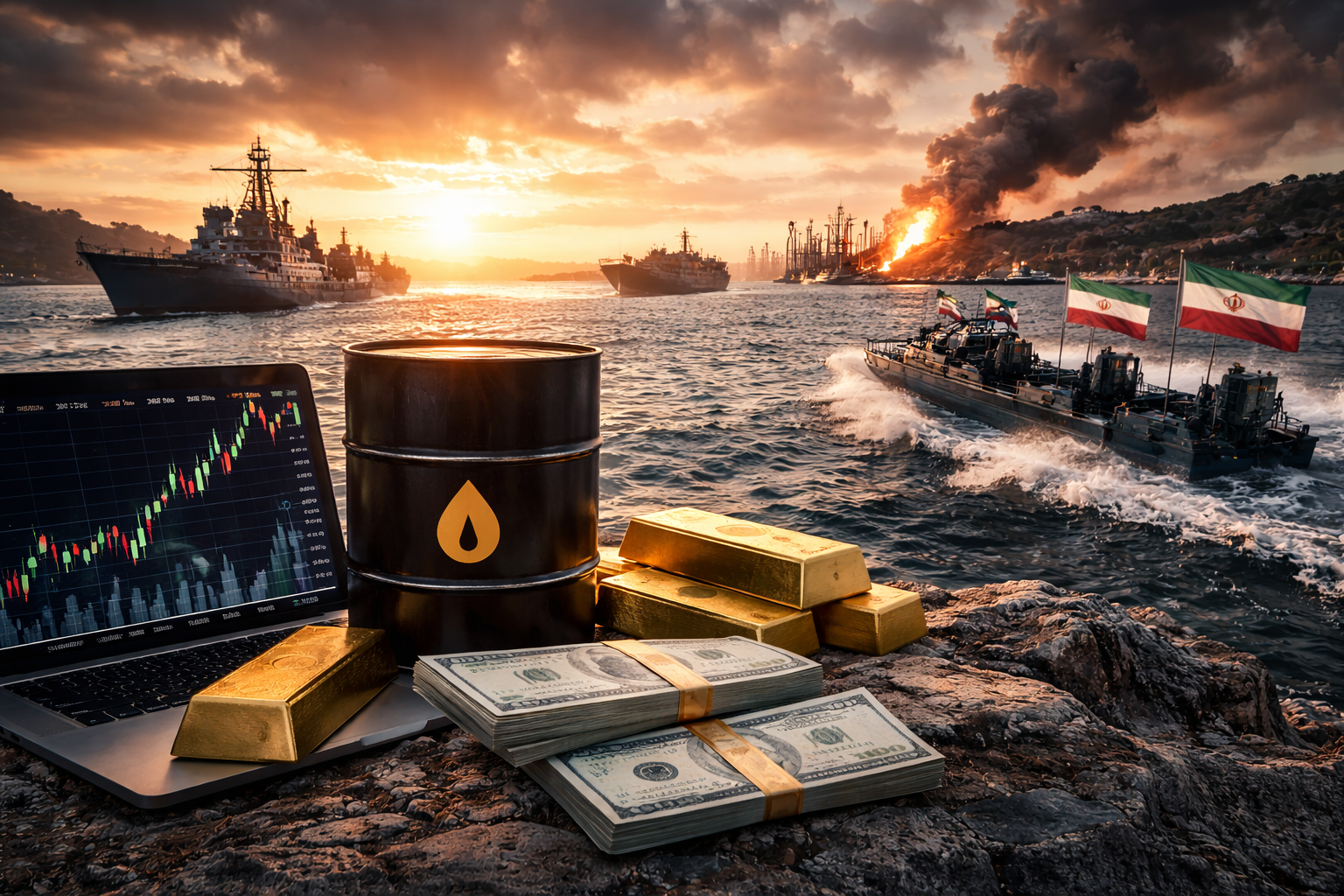
The easing of tensions between the U.S. and Iran has reduced immediate fears of supply disruptions in the Middle East, particularly around critical energy corridors like the Strait of Hormuz. This has helped stabilize sentiment and support risk assets.
However, according to Reuters, this optimism is largely conditional. Markets are reacting to the possibility of diplomatic progress, not confirmed outcomes.
That distinction matters.
Unlike rallies driven by earnings growth, economic expansion, or policy clarity, headline-driven rallies tend to be fragile. They can reverse quickly if expectations are not met—or if new risks emerge.
The Energy–Inflation Connection
At the center of this market dynamic is oil.
Even as geopolitical tensions ease, energy prices remain elevated due to ongoing uncertainty and supply constraints. This creates a complex backdrop for investors:
- Lower geopolitical risk supports equities
- Higher oil prices increase inflation pressure
- Rising inflation complicates central bank policy
According to Bloomberg and Reuters macro coverage, oil price volatility has been a key driver of inflation expectations in recent weeks. Any disruption—or even the threat of one—can quickly feed into broader market sentiment.
For central banks, particularly the Federal Reserve, this creates a policy dilemma.
- Tighten policy to control inflation → risk slowing economic growth
- Ease policy to support growth → risk fueling inflation
This tension is one of the reasons why the current rally lacks strong fundamental backing.
Why This Matters for Investors
Understanding the nature of this rally is critical for positioning.
1. Short-Term Momentum vs Long-Term Risk
The market is currently benefiting from improved sentiment, but the underlying risks have not disappeared. Investors should distinguish between tactical opportunities and structural trends.
2. Increased Volatility Potential
Headline-driven markets are inherently volatile. Any unexpected development—whether positive or negative—can trigger sharp moves across asset classes.
3. Sector Rotation Dynamics
Different sectors are responding differently to the current environment:
- Technology stocks are benefiting from risk-on sentiment
- Energy stocks remain supported by elevated oil prices
- Defensive sectors are lagging but could regain favor if volatility increases
This creates opportunities—but also requires careful timing.
Geopolitics Is Now a Primary Market Driver
For much of the past decade, geopolitics played a secondary role in market movements. That is no longer the case.
The current environment reflects a shift toward multi-polar global tensions, where conflicts and negotiations can have immediate financial implications.
According to Reuters and government briefings, the U.S.–Iran situation remains fluid, with several key variables in play:
- Progress (or lack thereof) in diplomatic negotiations
- Military activity in the region
- Sanctions policy adjustments
- Energy supply dynamics
Each of these factors has the potential to influence markets in real time.
This is particularly important for commodities and currencies, which tend to react more directly to geopolitical developments.
The Role of Institutional Investors
Institutional behavior is also shaping the current market landscape.
Large asset managers and hedge funds are increasingly using macro-driven strategies, adjusting exposure based on geopolitical signals rather than purely economic indicators.
Recent data from Bloomberg Intelligence suggests that:
- Hedge funds have increased exposure to energy-linked assets
- Institutional investors are maintaining higher levels of cash
- Risk management strategies are becoming more dynamic
This reflects a broader shift toward defensive positioning within a risk-on environment.
In other words, investors are participating in the rally—but with caution.
Future Trends to Watch
As the situation evolves, several key trends will determine the direction of markets:
1. Outcome of U.S.–Iran Talks
The most immediate catalyst is the outcome of negotiations. A positive resolution could support further gains, while a breakdown could trigger a rapid sell-off.
2. Oil Price Trajectory
Energy markets will remain a central focus. Sustained high oil prices could reignite inflation concerns and weigh on equities.
3. Central Bank Response
The Federal Reserve’s approach to inflation and growth will play a critical role in shaping market expectations.
4. Earnings Season Signals
Corporate earnings will provide insight into how companies are navigating the current macro environment, particularly in relation to cost pressures and demand trends.
Key Investment Insight
This is a headline-driven rally, not a fundamentals-driven one—and that distinction should guide investor strategy.
Opportunities exist, but they require discipline.
- Avoid chasing momentum without a clear risk framework
- Focus on sectors with structural tailwinds, not just short-term catalysts
- Maintain diversification to manage volatility
- Monitor geopolitical developments closely, as they will drive near-term market direction
For more tactical investors, this environment may favor short-term trades and hedging strategies rather than long-term positioning.
For long-term investors, the key is to stay focused on fundamentals while navigating near-term volatility.
A Market Defined by Uncertainty
The current rally reflects optimism—but also uncertainty.
Markets are balancing improving geopolitical sentiment against persistent inflation risks and policy challenges. This creates a landscape where confidence can shift quickly, and where traditional signals may carry less weight than usual.
In this environment, information is a critical asset.
Stay with MoneyNews.Today for daily, investor-focused insights that help you navigate market volatility and identify opportunities in a rapidly changing global landscape.