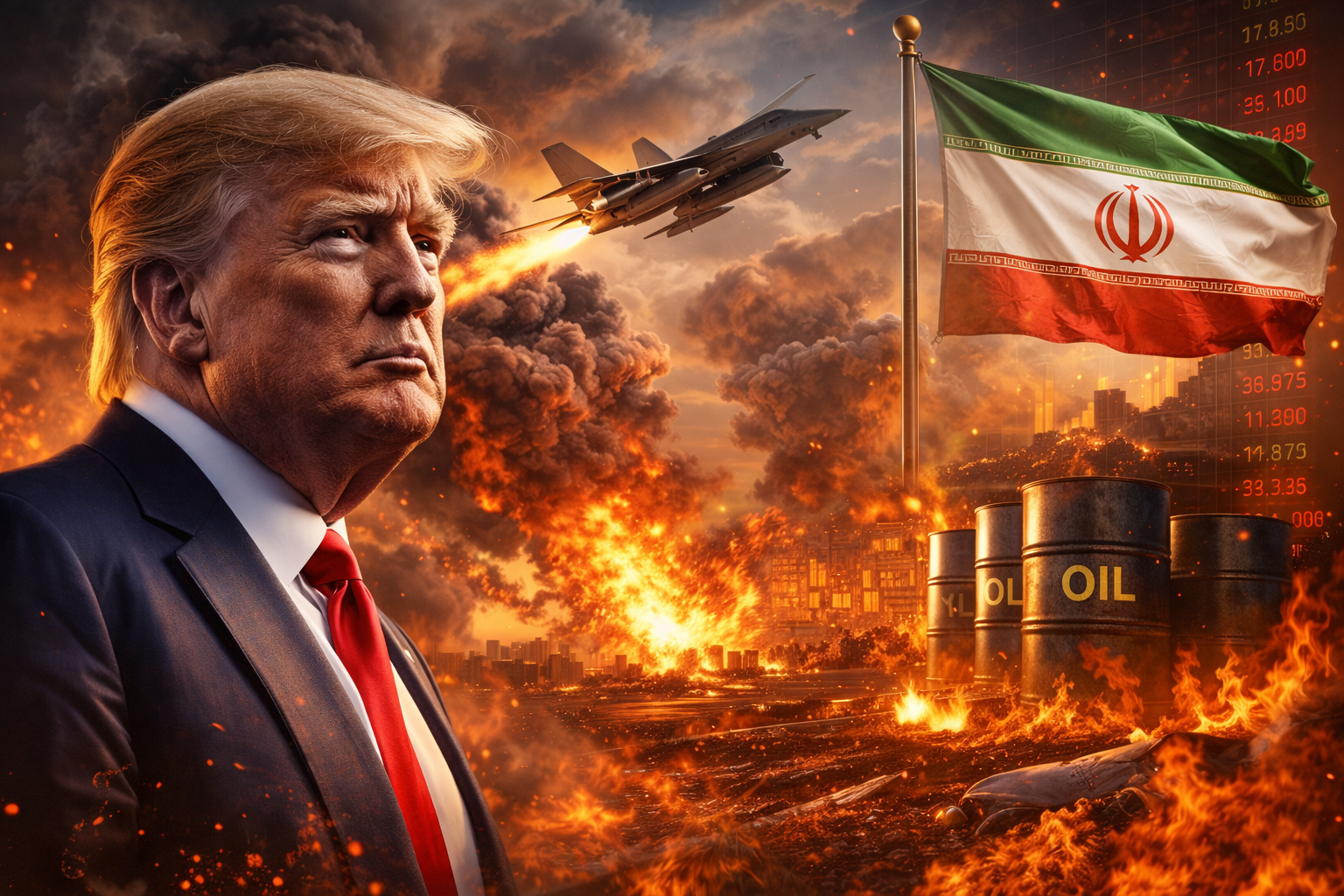
The global markets are on high alert as President Donald Trump signals an escalation in U.S.-Iran tensions, warning of potential expanded military action. NATO allies are expressing concern, and the geopolitical fallout is reverberating across energy, equities, and currency markets. Investors are facing heightened uncertainty as geopolitical developments rapidly shift from headlines to market-moving catalysts.
Why This Matters for Investors
Geopolitical tensions are now a primary driver of market volatility, with immediate implications for energy prices, defense contractors, and global trade flows. On April 3, 2026, Reuters reported that the U.S. administration is considering additional strikes in response to provocations from Iran, raising the stakes in the Middle East. This escalation comes amid already elevated oil prices, supply-chain vulnerabilities, and fragile investor sentiment.
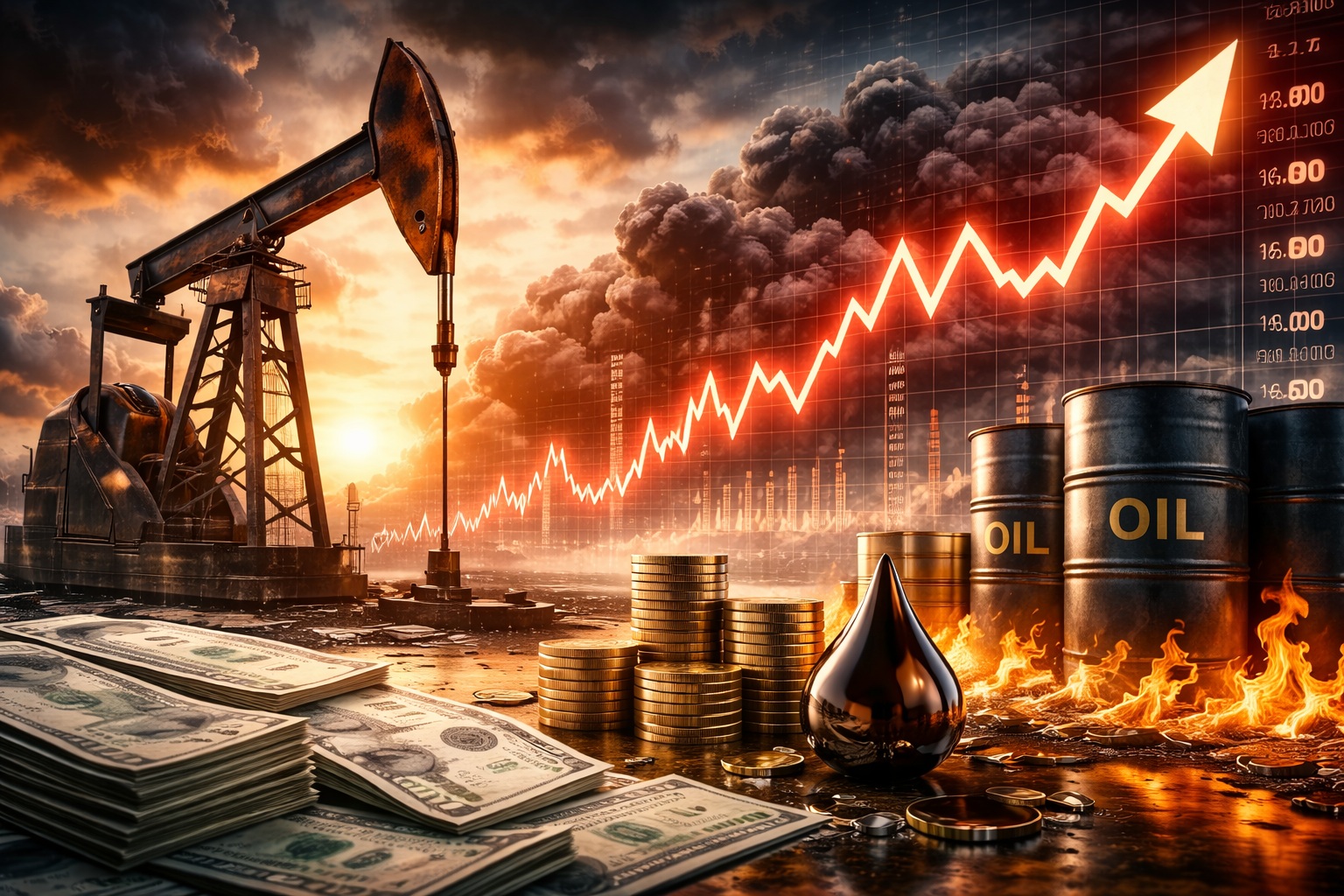
Energy markets responded swiftly. Brent crude and WTI crude prices jumped significantly, reflecting fears of disruptions in oil supply routes, particularly the Strait of Hormuz. Analysts from Bloomberg note that any prolonged military engagement could have a long-lasting impact on global oil markets, inflating energy costs and feeding broader inflationary pressures.
Defense sector equities are also reacting. Companies such as Lockheed Martin ($LMT), Northrop Grumman ($NOC), and Raytheon ($RTX) have seen sharp gains in pre-market trading, as investors anticipate increased government defense spending and procurement orders. Similarly, Canadian defense contractors may benefit indirectly from NATO and allied support programs, creating cross-border investment opportunities.
Core Analysis: Market Implications
1. Energy Sector Sensitivity
The energy sector is particularly sensitive to Middle East developments. The potential for supply disruptions due to conflict escalation places oil, natural gas, and related commodities at the forefront of investor attention. According to the Wall Street Journal’s coverage on April 2–3, 2026, oil prices spiked in response to renewed U.S.-Iran tensions, creating volatility in both energy equities and commodity futures.
2. Currency and Equity Volatility
Geopolitical escalation often drives a flight to safety, with investors reallocating capital to U.S. Treasuries, gold, and the U.S. dollar. Conversely, equities in consumer-facing sectors, particularly airlines and shipping, are vulnerable to rising fuel costs and disrupted trade flows. Reuters analysts highlight that currency markets may also experience volatility as investors react to potential shifts in global trade dynamics and geopolitical risk premiums.
3. Defense Industry Upside
Defense stocks are positioned to benefit from heightened government spending. Military contractors with active U.S. and NATO contracts are expected to see increased demand for weapons, satellites, and defense systems. Lockheed Martin and Northrop Grumman are positioned to capture multi-year revenue growth if conflict escalation continues. Investors should monitor government announcements and contract awards for signals of sustained sector momentum.
Future Trends to Watch
- Geopolitical Risk Monitoring: Investors should track news related to U.S.-Iran relations, NATO responses, and regional conflict escalation. Any developments could quickly impact oil prices, equities, and currencies.
- Energy Inflation Dynamics: Rising oil prices may influence consumer price indices and could prompt monetary policy responses from central banks, affecting interest-rate-sensitive sectors.
- Defense Procurement Trends: Increased defense spending in response to heightened conflict could lead to long-term revenue upside for contractors, particularly those involved in advanced aerospace and defense technology.
Actionable Takeaways for Investors
- Position for Energy Volatility: Investors can consider tactical exposure to energy producers, oil ETFs, and commodities that stand to benefit from short-term supply disruptions.
- Defensive Equity Strategies: Companies in the defense sector are likely to outperform during periods of geopolitical tension. Focus on firms with robust government contracts and proven project execution.
- Hedge Against Currency Fluctuations: Safe-haven assets such as U.S. Treasuries, gold, and the U.S. dollar can provide portfolio stability amid cross-asset volatility.
- Monitor Macro Indicators: Keep a close watch on oil inventories, trade flows, and central bank announcements, as these will inform market reactions to ongoing geopolitical developments.
The April 3, 2026 escalation in U.S.-Iran tensions underscores the profound impact geopolitics can have on global markets. For investors, timely awareness and strategic positioning in energy, defense, and safe-haven assets are essential to navigate this period of heightened uncertainty. Markets may remain volatile, but disciplined allocation and informed decision-making can help capitalize on opportunities created by global events.
Stay updated with MoneyNews.Today for reliable, actionable insights on geopolitics, energy markets, and investment strategies that matter to investors every day.