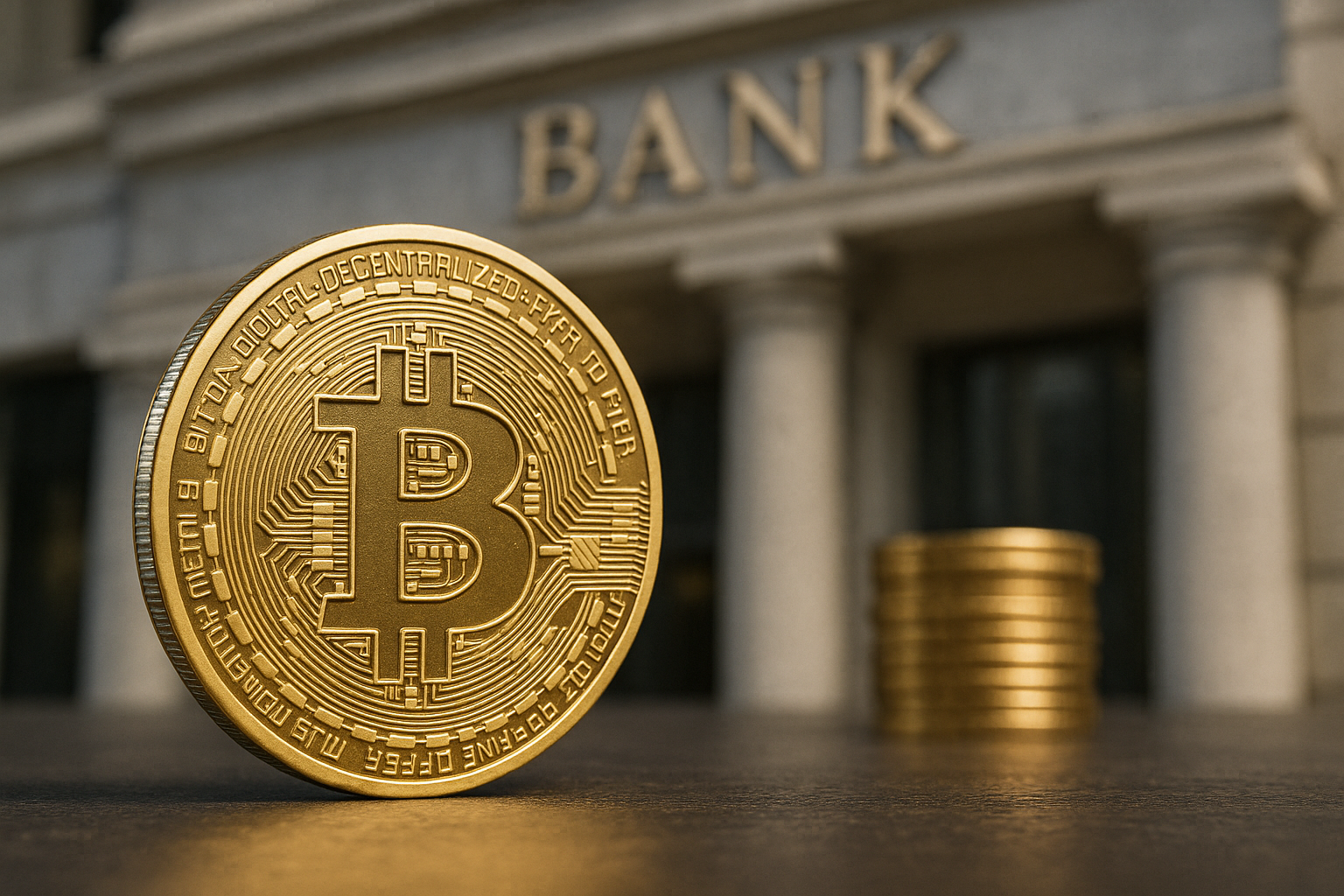
The U.S. cryptocurrency market may be on the cusp of a structural transformation. On December 9, 2025, the Office of the Comptroller of the Currency (OCC) announced that U.S. banks are now authorized to serve as intermediaries for cryptocurrency transactions. This regulatory pivot marks a major step toward mainstream institutional integration of digital assets, creating new opportunities and risks for investors navigating the rapidly evolving crypto landscape.
According to Reuters, this decision formalizes a framework in which traditional financial institutions can offer custody, settlement, and other intermediary services for crypto assets, bridging a gap that has historically limited large-scale participation in the market.
Bridging Traditional Finance and Crypto Markets
For years, digital assets have operated largely outside the mainstream financial system, with market access dominated by crypto exchanges and decentralized platforms. The OCC’s guidance now allows federally chartered banks to handle cryptocurrency transactions, signaling government recognition of digital assets as an increasingly integral part of the broader financial ecosystem.
Experts at CoinDesk note that institutional investors have long been constrained by regulatory uncertainty and limited access. By clearing a pathway for banks, the OCC reduces friction for large-scale capital flows, potentially increasing liquidity and stability in crypto markets while also making it easier for regulated funds to include digital assets in portfolios.
Why This Matters for Investors
1. Enhanced Market Infrastructure
With banks now acting as intermediaries, the infrastructure supporting crypto trading and custody becomes more robust. Institutional investors may feel more confident entering the market, potentially driving inflows into crypto ETFs, index funds, and other regulated investment vehicles.
2. Reduced Operational Risk
Historically, market participants faced operational challenges and counterparty risks, especially in custody and transaction settlement. Federally regulated banks bring compliance, insurance frameworks, and transparency, mitigating these risks and encouraging broader participation.
3. Liquidity and Price Stability
Institutional capital inflows, enabled by bank involvement, could reduce the volatility typically seen in cryptocurrency markets. While crypto remains inherently volatile, improved liquidity and risk management tools may smooth price swings over time.
4. Regulatory Signaling
The OCC’s decision signals a pragmatic approach by U.S. regulators: acknowledging the demand for crypto services while keeping supervision in place. Investors can interpret this as a long-term commitment to integrating digital assets within regulated finance — a shift that may positively affect market sentiment.
Future Trends to Watch
- Institutional Adoption: Expect gradual increases in large-scale investment by banks, hedge funds, and pension funds as regulatory pathways become clearer.
- Crypto-Linked Financial Products: Banks may launch custody services, lending products, and structured instruments tied to digital assets, creating new investment vehicles.
- Volatility Management Tools: With intermediated trading, investors may see more sophisticated hedging instruments and derivative products to manage crypto risk.
- Cross-Border Expansion: Regulatory clarity in the U.S. could prompt similar developments in Canada, Europe, and Asia, influencing global crypto liquidity flows.
- Market Consolidation: Traditional finance players entering crypto may accelerate mergers, acquisitions, and partnerships within the fintech and blockchain sectors.
Key Investment Insight
For investors, the OCC announcement represents a potential turning point in how crypto can be incorporated into portfolios. Increased institutional access may bring more stable liquidity, reduced counterparty risk, and new investment vehicles — but volatility remains, and careful allocation is critical. Crypto-linked equities, ETFs, and diversified crypto funds could benefit from this structural shift, while prudent investors may also consider hedging or partial exposure strategies to navigate ongoing price swings.
Staying updated with MoneyNews.Today ensures investors have actionable insights into regulatory developments, market trends, and emerging opportunities in the rapidly evolving digital-asset space.