Markets were bracing for inflation data and earnings season—but geopolitics had other plans.
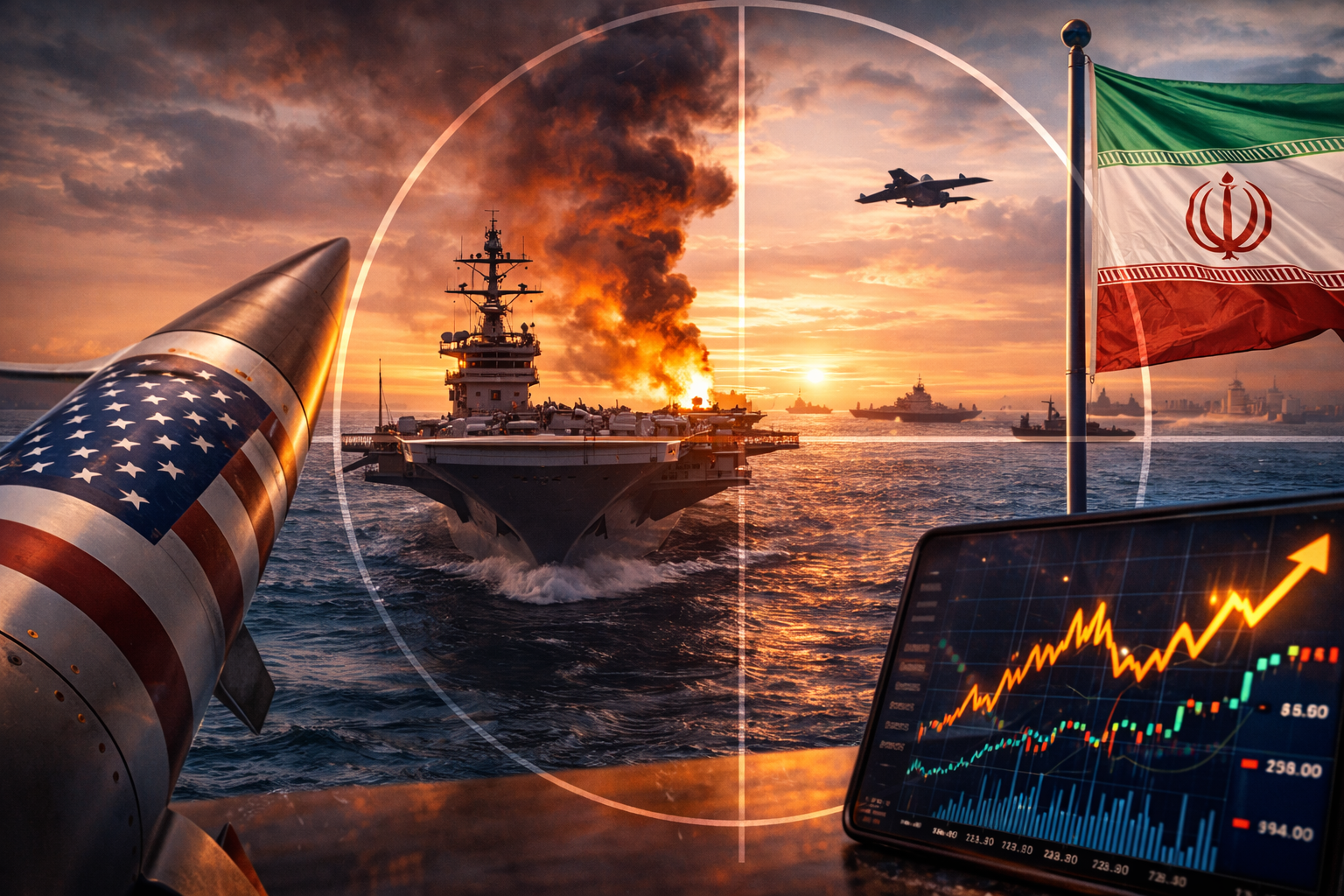
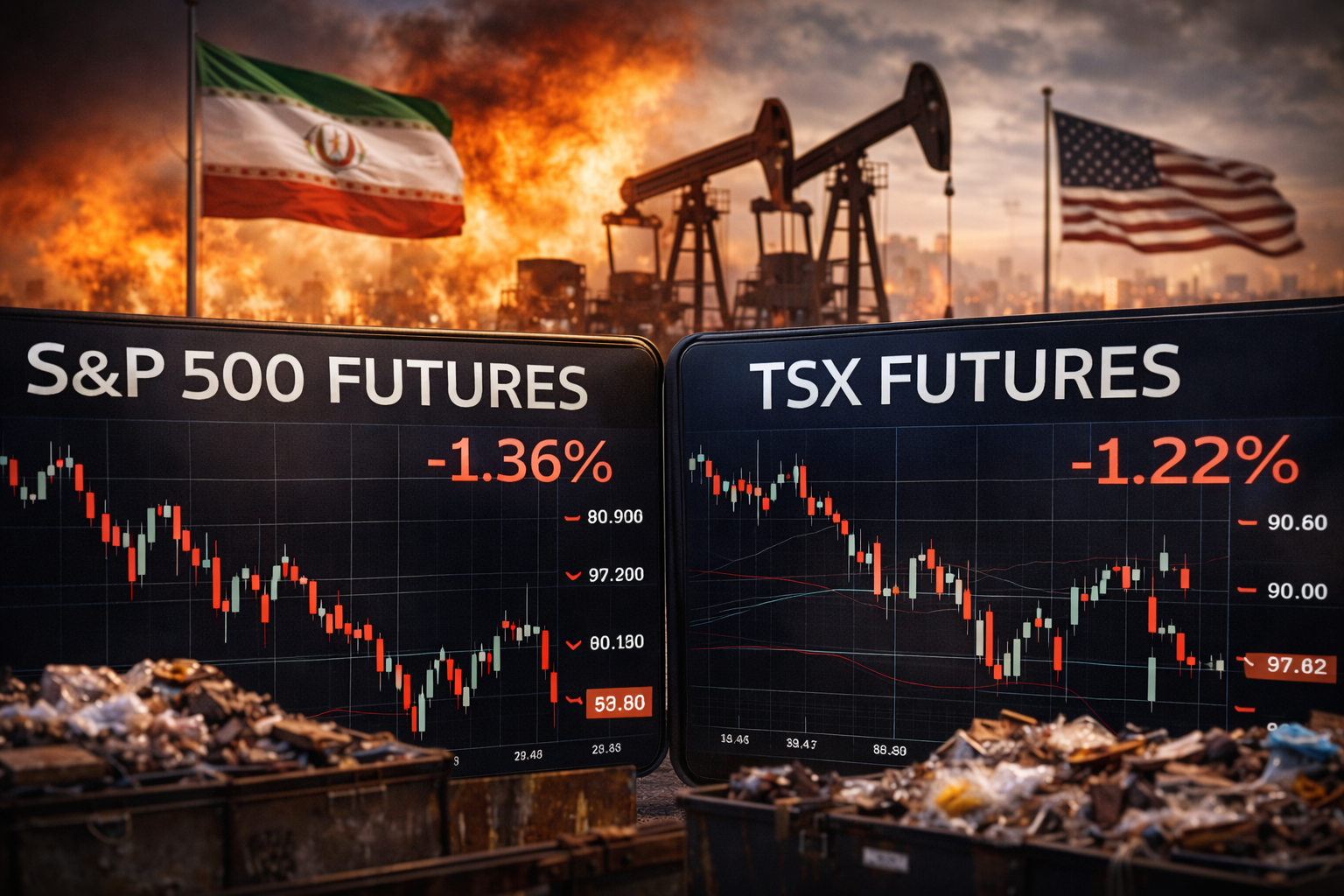
A sudden collapse in U.S.–Iran negotiations has sent shockwaves through global markets, pushing oil prices sharply higher and triggering a risk-off tone across equities. Early Monday trading saw U.S. futures slip while Canada’s TSX futures moved lower, reflecting rising uncertainty and a rapid repricing of geopolitical risk.
According to Reuters (April 13, 2026), the breakdown in talks has raised fears of supply disruptions in global energy markets, immediately translating into higher crude prices and renewed inflation concerns. For investors, the message is clear: geopolitics is back in control of market direction.
A Sudden Shift Back to Geopolitical Markets
For much of 2025 and early 2026, markets were driven by a familiar set of themes—AI growth, disinflation trends, and central bank policy expectations. But the latest developments mark a sharp pivot.
The collapse of diplomatic talks with Iran has introduced a new layer of uncertainty, particularly around:
- Global oil supply stability
- Middle East shipping routes
- Broader geopolitical escalation risks
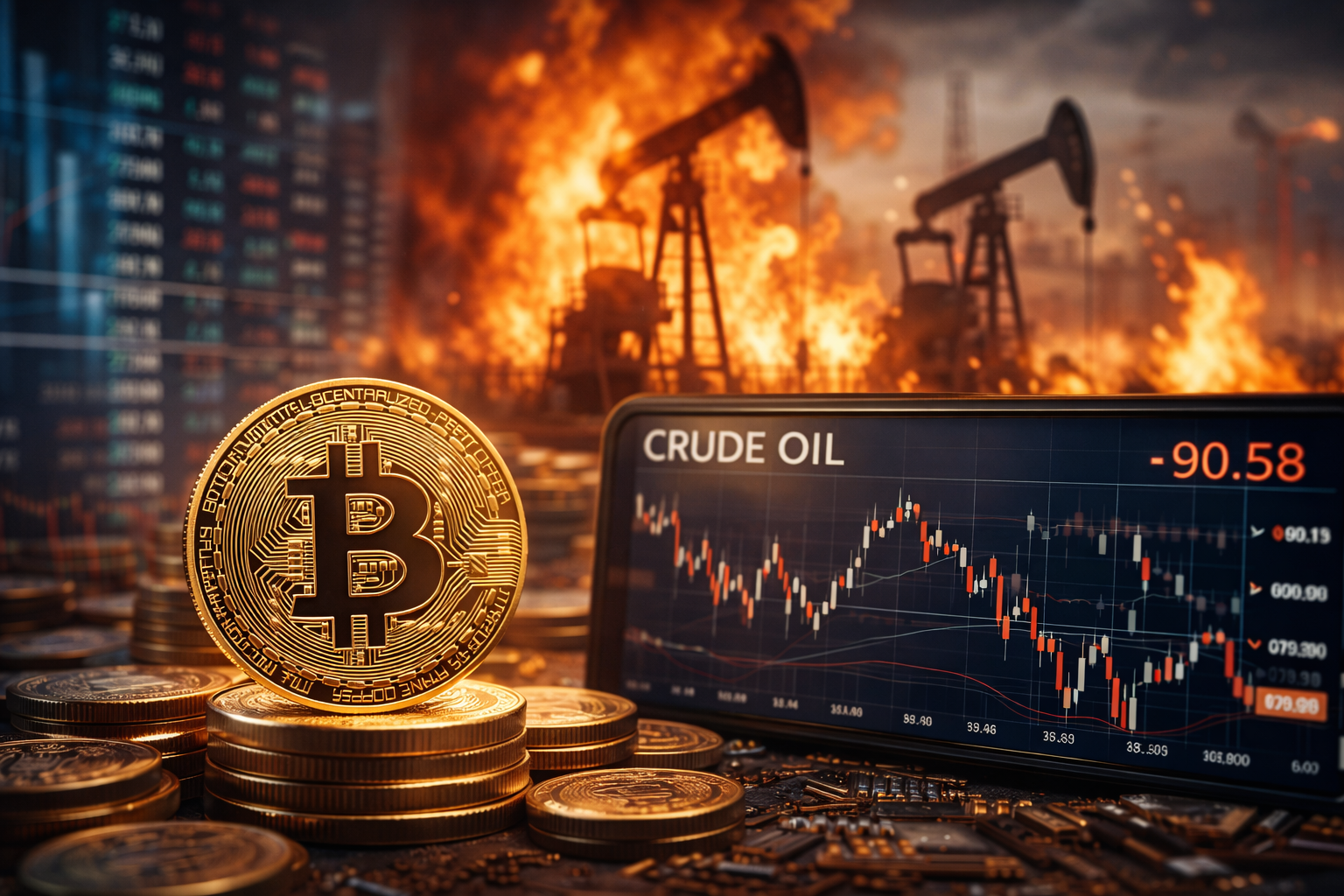
Oil prices responded immediately, surging on fears of potential disruptions. This move has cascading effects across asset classes, from equities to bonds to currencies.
Historically, such geopolitical shocks have triggered short-term volatility spikes, and early market reactions suggest this pattern is repeating.
Why This Matters for Investors
The current environment is not just about one geopolitical event—it’s about how markets respond when uncertainty re-enters the system.
1. Oil Prices Are Driving the Narrative
Energy markets are the first and most direct channel through which geopolitical risk impacts the broader economy.
A sharp rise in oil prices can:
- Increase inflation expectations
- Pressure central banks to maintain tighter policy
- Reduce consumer spending power
- Weigh on corporate margins
This creates a complex feedback loop where higher oil prices not only boost energy stocks but also introduce downside risks for the broader market.
For Canada, the impact is particularly nuanced. As a major energy exporter, the country can benefit from higher oil prices—but broader equity indices like the S&P/TSX Composite Index may still face pressure due to global risk sentiment.
2. Equities Enter a Volatility Phase
The immediate reaction in U.S. and Canadian futures reflects a shift toward caution.
Equity markets are now grappling with:
- Rising geopolitical uncertainty
- Potential inflation resurgence
- Unclear central bank responses
In this environment, volatility tends to increase—not just in price movements, but in sector rotation.
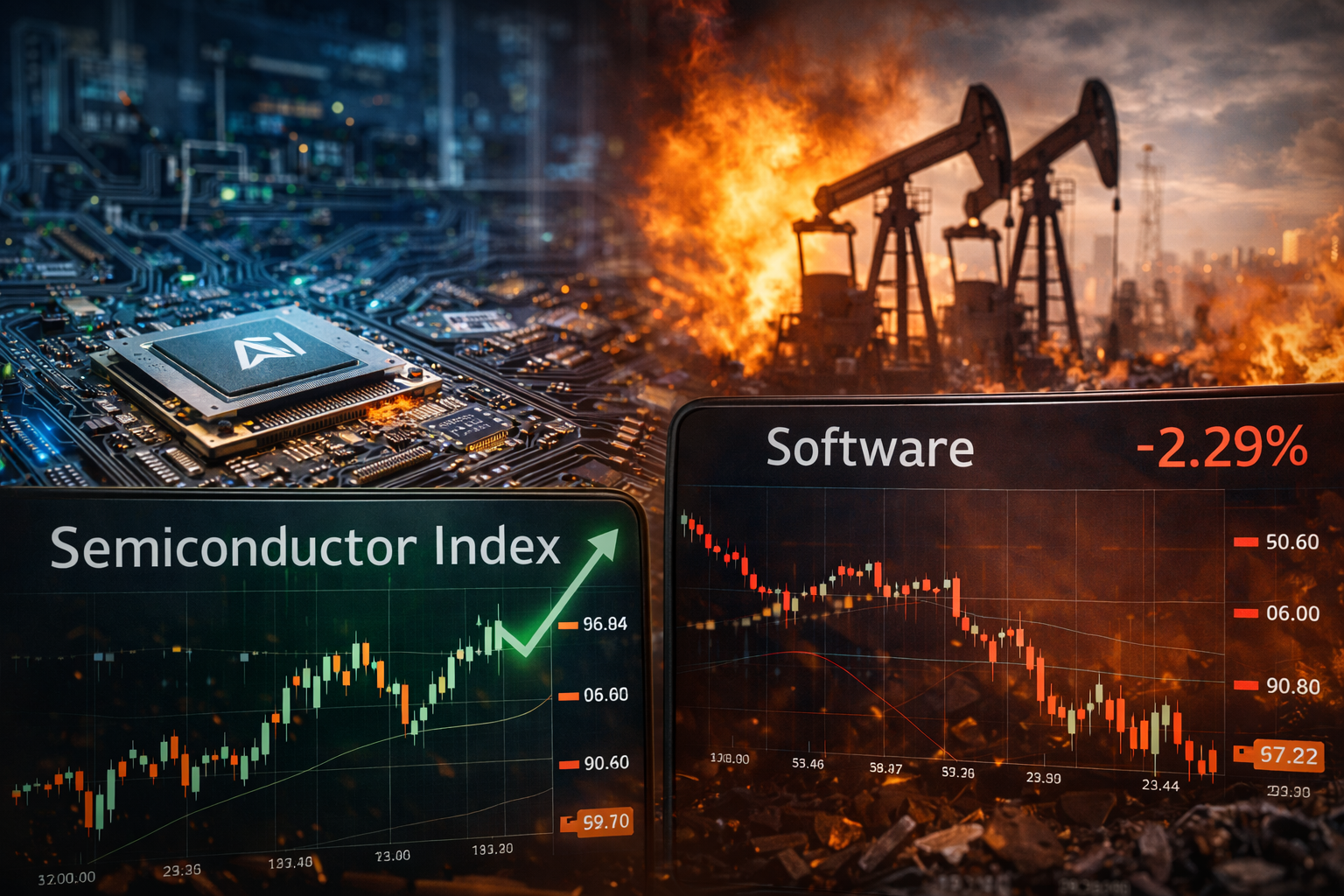
Defensive sectors such as utilities and consumer staples may attract flows, while growth-oriented segments could face renewed pressure, particularly if interest rate expectations shift upward.
3. Geopolitics Is Repricing Risk Premiums
One of the most significant impacts of geopolitical events is their effect on risk premiums.
When uncertainty rises, investors demand higher returns for holding risk assets. This can lead to:
- Lower equity valuations
- Wider credit spreads
- Increased demand for safe-haven assets
The current situation suggests that markets are beginning to price in a higher geopolitical risk premium, reversing some of the optimism seen earlier in the year.
Cross-Market Implications
The ripple effects of the U.S.–Iran developments extend beyond equities and oil.
Bonds and Interest Rates
Rising oil prices complicate the inflation outlook, potentially influencing central bank decisions. If inflation expectations increase, bond yields may rise, putting additional pressure on equities.
Currencies
Commodity-linked currencies, including the Canadian dollar, may see support from higher oil prices. However, broader risk-off sentiment could limit gains.
Commodities
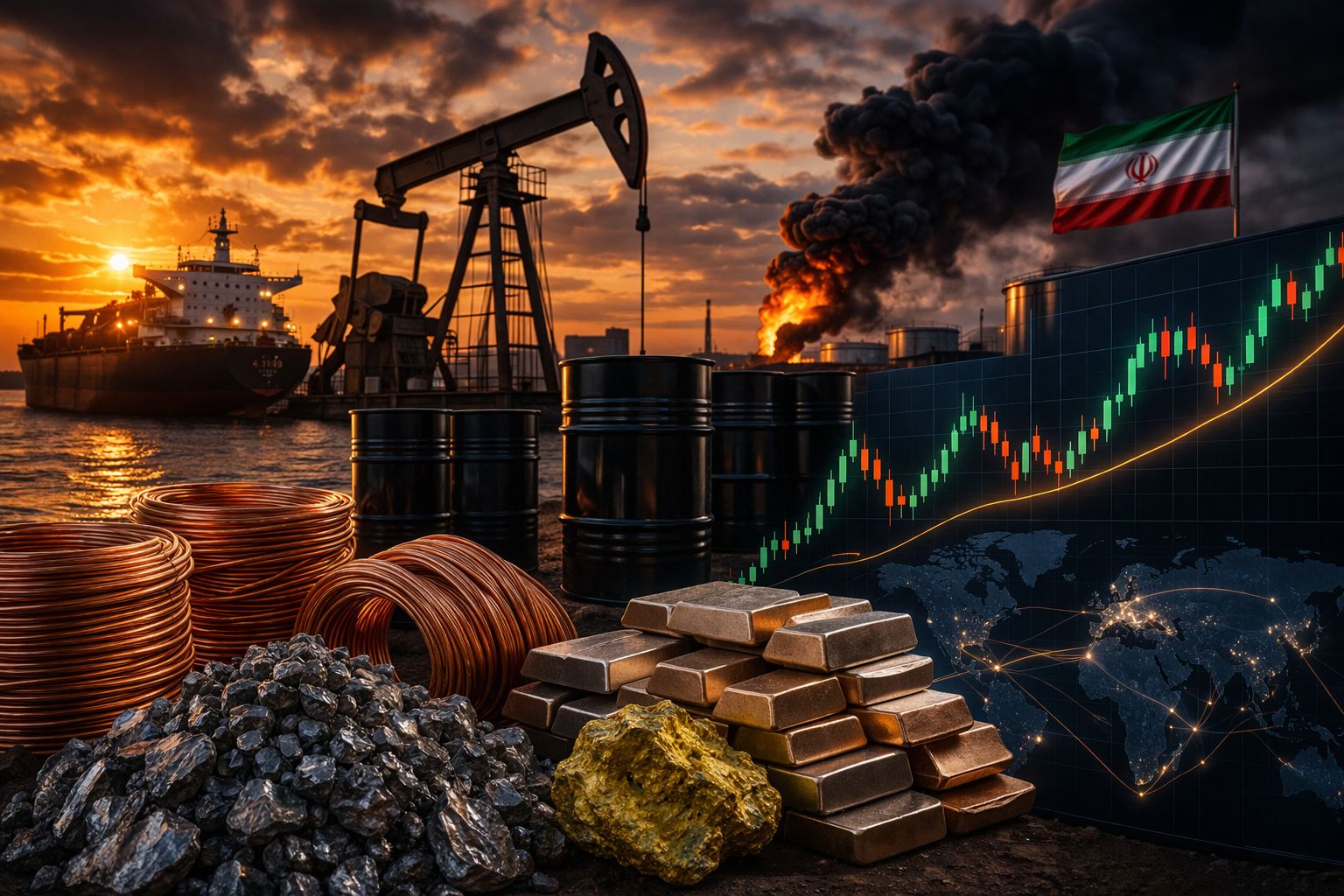
Beyond oil, other commodities may also react to geopolitical tensions, particularly those tied to industrial production and global trade routes.
Credible Signals From the Market
Reuters reporting on April 13 highlights that futures markets reacted quickly to the collapse in talks, with both U.S. and Canadian indices moving lower in early trading.
At the same time, energy markets saw one of the sharpest single-day moves in recent months, reinforcing the sensitivity of global markets to geopolitical developments.
This aligns with historical patterns observed during past Middle East tensions, where energy shocks often serve as the initial catalyst for broader market movements.
Future Trends to Watch
As the situation evolves, several key trends will determine how markets respond in the coming weeks.
Duration of the Geopolitical Shock
Short-lived tensions may lead to temporary volatility, while prolonged escalation could have more lasting effects on markets and economic conditions.
Central Bank Response
If higher oil prices feed into inflation data, central banks may be forced to adjust their policy stance. This could impact interest rates, liquidity, and overall market sentiment.
Sector Rotation Dynamics
Investors are likely to rotate capital toward sectors that benefit from higher energy prices or offer defensive characteristics.
Key sectors to watch include:
- Energy and oil producers
- Defense and aerospace
- Utilities and infrastructure
Earnings Season Sensitivity
With earnings season approaching, corporate guidance will be closely scrutinized for signs of margin pressure or demand slowdown linked to rising input costs.
Risks Investors Should Consider
While geopolitical events can create opportunities, they also introduce significant risks:
- Escalation risk: Further deterioration in U.S.–Iran relations could amplify market volatility
- Policy uncertainty: Unpredictable government responses may impact markets suddenly
- Overreaction risk: Markets may initially overprice geopolitical threats, leading to sharp reversals
Investors should remain disciplined and avoid reactive decision-making driven by headlines.
Key Investment Insight
Markets are transitioning back into a geopolitical pricing regime, where macro events—not just economic data—drive asset prices.
In this environment:
- Energy exposure may outperform as oil prices rise
- Broad equities could face near-term pressure
- Volatility is likely to remain elevated
For investors, the focus should shift toward risk management, sector positioning, and macro awareness.
Understanding how different assets respond to geopolitical shocks is critical in navigating this phase of the market cycle.
The Bigger Picture
The collapse of U.S.–Iran talks is a reminder that global markets are deeply interconnected—and highly sensitive to geopolitical developments.
While technology trends and economic data remain important, events like these can quickly reshape the investment landscape, forcing markets to reprice risk in real time.
For investors, the challenge is not just to react, but to anticipate how these dynamics evolve—and position accordingly.
Stay with MoneyNews.Today for daily, real-time insights into the forces shaping global markets, helping you navigate volatility and uncover opportunities in an increasingly complex world.