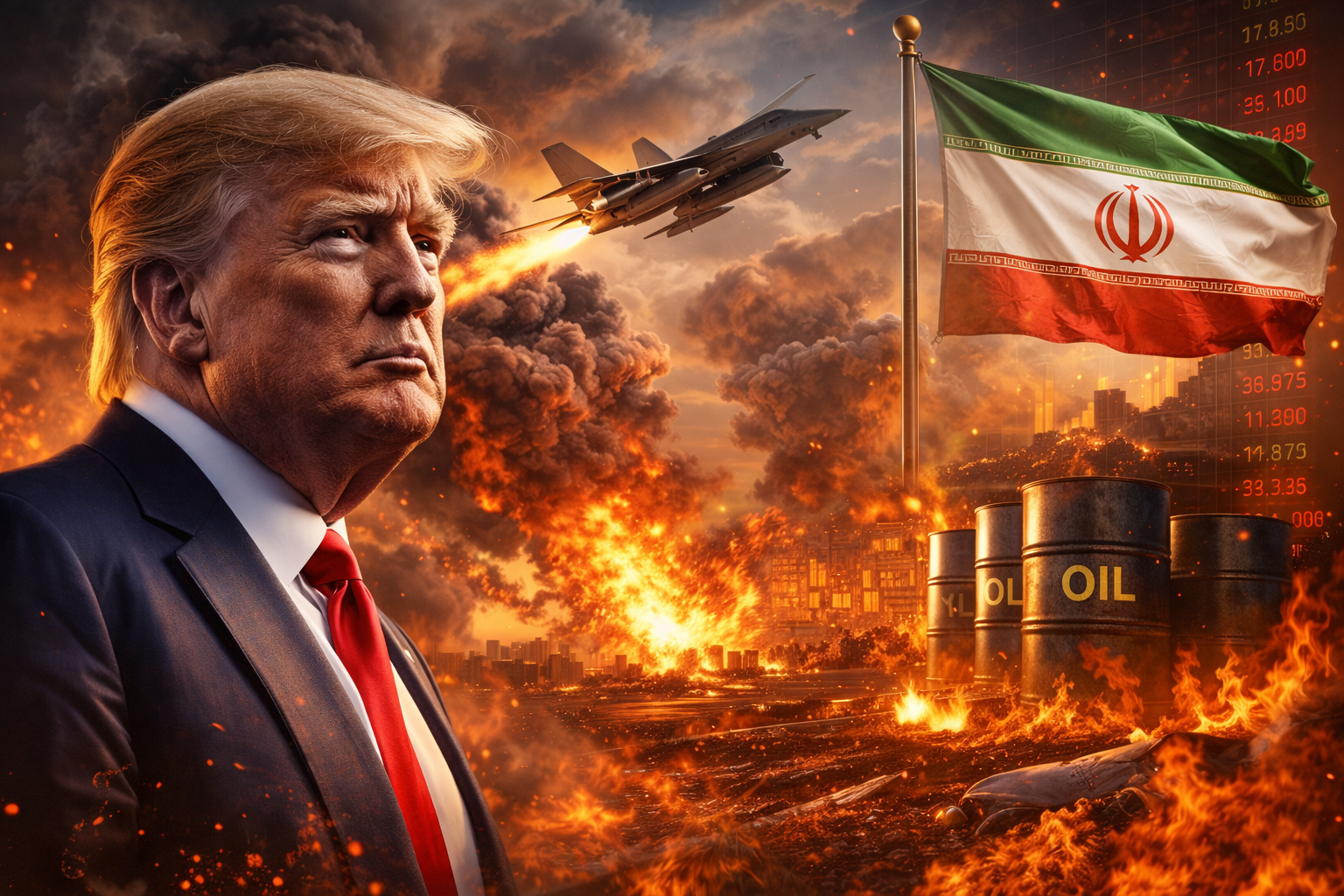
Global markets are on edge as escalating geopolitical tensions in the Middle East ripple through energy supplies, commodity prices, and financial systems worldwide. Investors are navigating heightened uncertainty as rising energy costs and inflationary pressures intersect with complex security dynamics. According to Reuters global markets coverage, the developments are prompting governments, central banks, and investors to reassess economic forecasts and policy expectations for 2026.
The stakes are high: energy markets, which underpin global economic activity, are particularly sensitive to geopolitical shocks. Disruptions in supply routes or heightened conflict risk can trigger rapid price swings, affecting oil, natural gas, and related commodities. At the same time, investors are re-evaluating risk exposure across equities, bonds, and defense-related assets, making geopolitical developments a central driver of market behavior.
Energy Supply Shocks and Market Reactions
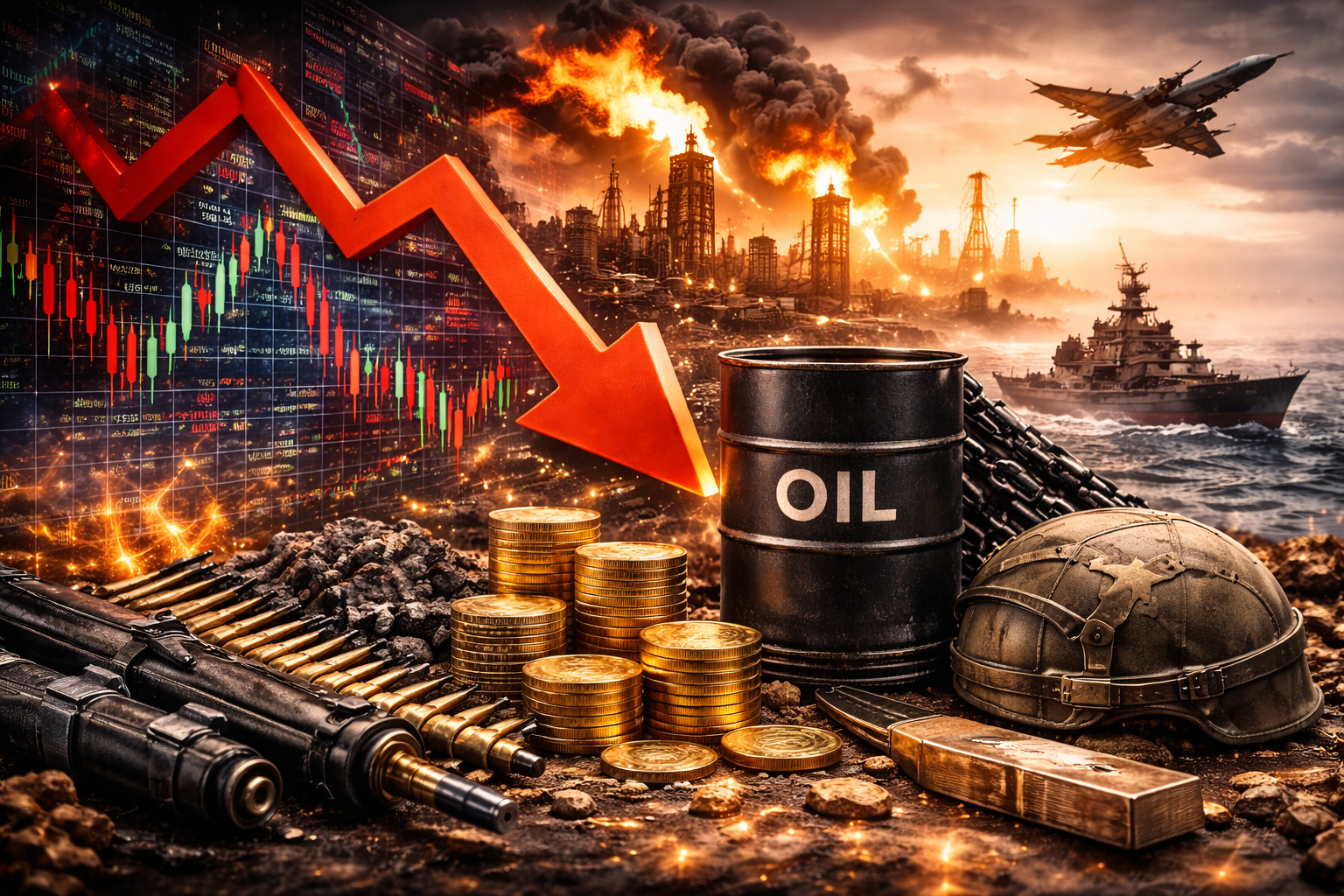
The Middle East remains a critical hub for global energy supply, and any escalation in regional tensions can have immediate implications for oil and gas prices. Over the past weeks, crude oil futures have surged as investors price in potential disruptions to strategic shipping lanes and extraction facilities.
Rising energy costs can quickly filter through the global economy, increasing production costs, transportation expenses, and ultimately consumer prices. The ripple effect of such shocks is magnified in an interconnected global supply chain, impacting industrial production, trade balances, and corporate earnings worldwide.
According to market analysts, the energy-driven volatility is now shaping investment strategies across sectors, with many investors rotating toward commodity-linked assets and defensive equities that historically perform well during periods of inflationary pressure.
Inflation and Monetary Policy Implications
The combination of geopolitical tension and energy market volatility complicates the outlook for inflation and interest rates. Central banks, including the Federal Reserve, are closely monitoring developments, balancing the need to maintain price stability against the risk of stifling growth.
Escalating oil prices feed directly into headline inflation, while security-driven economic uncertainty can dampen consumer and business confidence, slowing demand. This dual pressure makes the macroeconomic environment particularly challenging for policymakers and investors alike.
Financial institutions are factoring these dynamics into interest rate expectations, with markets pricing in potential policy adjustments to counteract inflationary pressures while supporting economic stability.
Geopolitical Risk as a Macro Driver
Geopolitical developments are increasingly recognized as a primary macroeconomic factor in 2026. Investors are factoring the impact of energy supply risks, conflict escalation, and defense spending into their portfolio strategies. The current environment demonstrates how political uncertainty can move markets just as powerfully as economic indicators.
Defense and security-related sectors have seen renewed interest from institutional investors, reflecting the potential for increased government spending. Meanwhile, commodities such as oil, natural gas, and strategic minerals are drawing attention as hedges against supply disruptions.
Analysts note that geopolitical risk can also exacerbate market volatility in seemingly unrelated sectors, including technology and consumer goods, by influencing currency fluctuations, shipping costs, and global trade dynamics.
Impacts on Global Equity Markets
Equities have reacted sharply to rising geopolitical tensions. Companies with significant exposure to energy costs or international supply chains are particularly sensitive to sudden price shocks. Industrial, transportation, and manufacturing firms may experience margin pressure if energy costs rise further.
Conversely, certain sectors can benefit from heightened geopolitical risks. Defense contractors, energy producers, and companies involved in strategic commodity extraction often see demand for their products increase during periods of uncertainty. Investors are actively reallocating capital to balance risk and opportunity, emphasizing diversification and defensive positioning.
Future Trends to Watch
Several developments will likely shape market sentiment in the coming months:
Energy Market Stability
Global energy supply security remains the most immediate factor influencing commodity prices. Any escalation or de-escalation of regional tensions could significantly affect market volatility.
Central Bank Responses
Monetary policy decisions, particularly regarding interest rates and liquidity management, will be closely tied to inflation expectations stemming from energy price movements.
Defense and Infrastructure Spending
Governments may increase expenditure on defense and energy infrastructure to mitigate geopolitical risks, creating opportunities for related equities.
Global Supply Chain Adjustments
Companies are assessing alternative supply routes and sourcing strategies to reduce vulnerability to conflict-related disruptions, potentially reshaping trade patterns.
Why This Matters for Investors
Geopolitical risk is no longer a secondary consideration—it has become a core driver of market performance in 2026. Investors must account for potential volatility across commodities, equities, and fixed-income instruments when constructing portfolios.
Commodity-linked assets, defense and infrastructure equities, and global energy producers may offer both hedging potential and growth opportunities in the current environment. At the same time, sectors heavily dependent on global trade and energy-intensive operations may face headwinds if disruptions persist.
Understanding the interplay between geopolitical events, energy markets, and monetary policy will be critical for navigating near-term market volatility and identifying strategic investment opportunities.
Key Investment Insight
Investors should approach 2026 with a heightened awareness of geopolitical and energy-driven risks. Strategic allocation to commodities, defense-related equities, and energy producers may provide resilience amid uncertainty, while careful monitoring of macroeconomic indicators and central bank policies is essential.
Geopolitical tensions are influencing not just energy prices but also broader inflation expectations, interest rates, and global economic growth projections. For investors, integrating geopolitical intelligence into portfolio decisions is becoming as crucial as analyzing traditional financial metrics.
Global markets are increasingly influenced by political developments, energy security, and international policy shifts. For daily investor insights, market intelligence, and analysis of macro drivers shaping global financial systems, stay connected with MoneyNews.Today, your trusted source for actionable financial news.