The market narrative shifted overnight—and investors are paying attention.
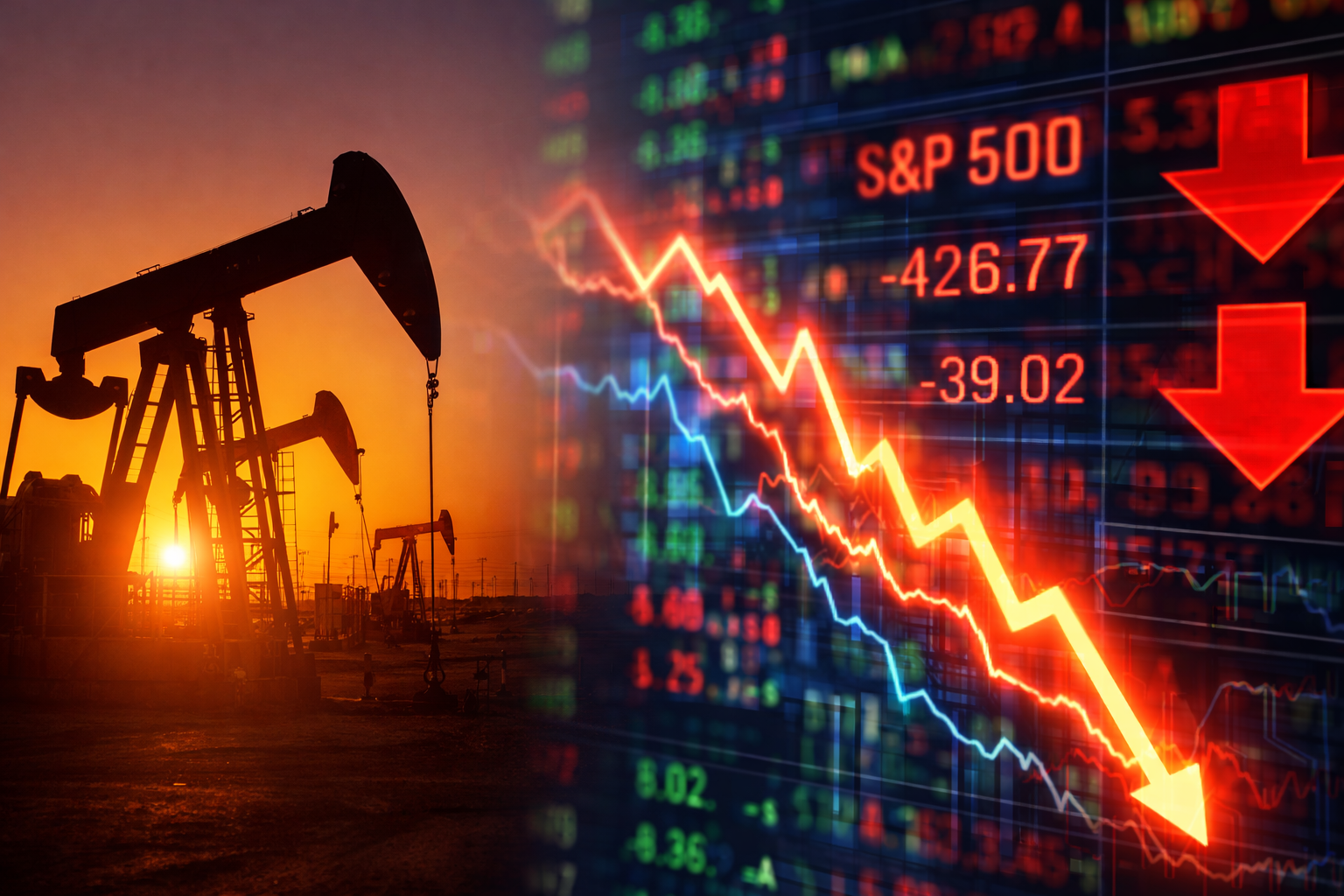
After weeks of cautious optimism around potential rate cuts, rising oil prices and renewed geopolitical uncertainty are forcing a reassessment. U.S. stock futures edged lower on April 9, 2026, as reported by Reuters, with inflation fears creeping back into focus and threatening to derail the “soft landing” narrative that has supported equities in recent months.
For investors, this isn’t just another volatile session. It’s a signal that markets may be transitioning back into a macro-dominated regime, where inflation, energy prices, and geopolitics—not earnings alone—dictate direction.
The Return of Oil as a Market Driver
Energy markets are once again at the center of the global financial system.
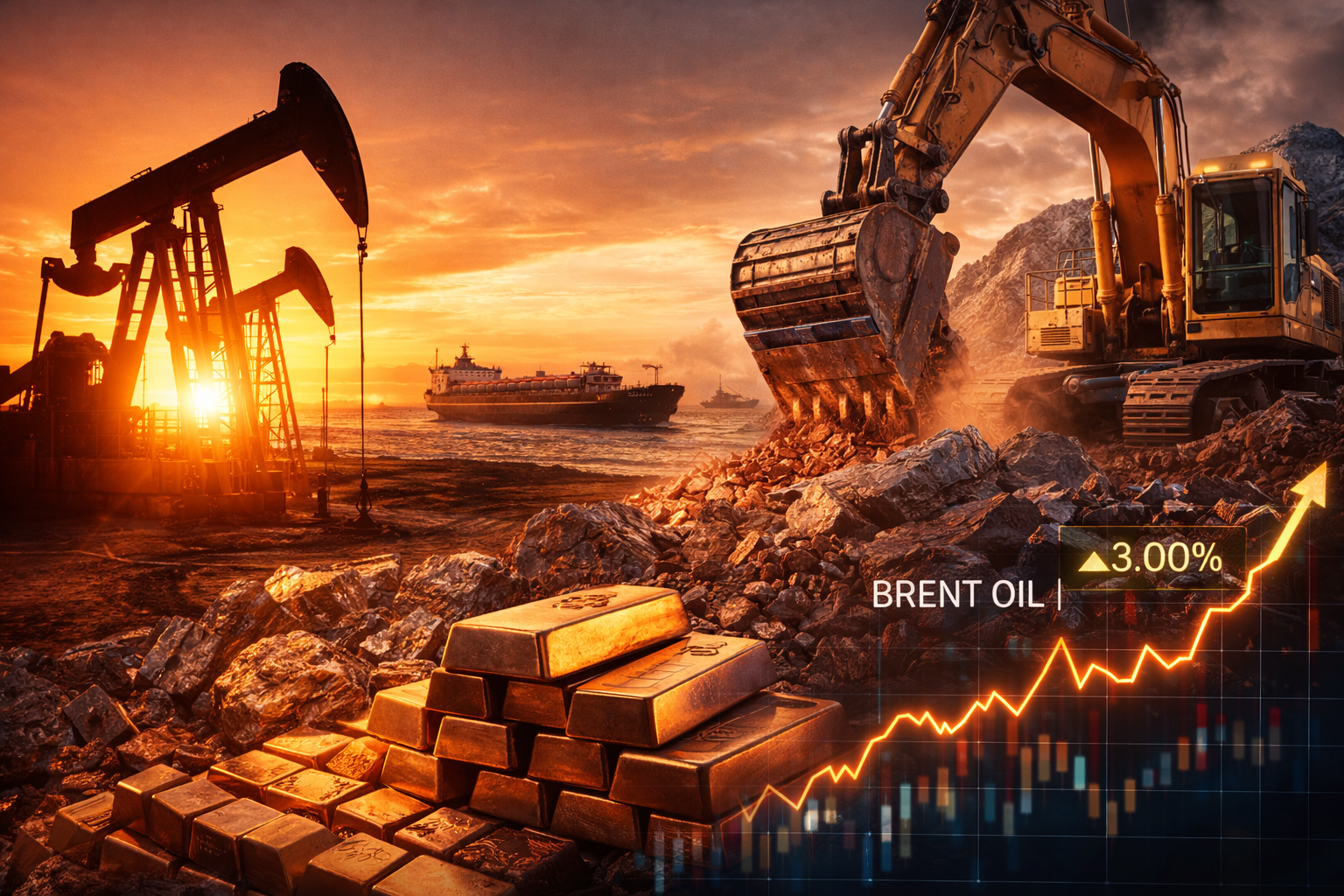
Oil prices have surged amid ongoing uncertainty surrounding the Middle East, particularly concerns tied to supply routes such as the Strait of Hormuz. While a ceasefire has temporarily reduced tensions, markets remain skeptical about its durability.
Historically, oil shocks have had a direct and immediate impact on equity markets. Higher oil prices feed into:
- Transportation and production costs
- Consumer prices (inflation)
- Corporate margins
In this case, the implications are especially significant because they arrive at a time when inflation had been showing signs of moderation.
According to data referenced by major outlets such as Bloomberg, even a modest sustained increase in oil prices can push headline inflation higher—complicating the outlook for central banks.
Why This Matters for Investors
The interplay between oil prices and inflation is critical because it directly influences monetary policy—and by extension, asset valuations.
1. Rate Cut Expectations Are at Risk
Markets had been pricing in potential rate cuts from the Federal Reserve later in 2026. However, rising energy costs could:
- Delay the timing of cuts
- Reduce the number of expected cuts
- Force policymakers to maintain a restrictive stance longer than anticipated
Interest rates remain the single most important driver of equity valuations, particularly for growth stocks.
2. Growth Stocks Face Renewed Pressure
Higher rates and inflation disproportionately impact:
- Technology companies
- High-growth sectors
- Companies with long-duration cash flows
Indices like the NASDAQ Composite, which are heavily weighted toward tech, tend to be more sensitive to these dynamics.
As discount rates rise, the present value of future earnings declines—leading to multiple compression.
3. Energy and Defensive Sectors Gain Strength
In contrast, rising oil prices benefit:
- Energy producers
- Oilfield services companies
- Commodity-linked equities
Additionally, defensive sectors such as:
- Utilities
- Consumer staples
- Healthcare
often outperform during periods of macro uncertainty and inflation volatility.
This creates a clear sector rotation dynamic within the broader market.
The Geopolitical Overlay
The current market environment cannot be understood without considering geopolitics.
The fragile ceasefire in the Middle East has introduced a layer of uncertainty that extends beyond energy markets. Investors are increasingly factoring in:
- Supply chain disruptions
- Trade implications
- Potential escalation risks
Geopolitical shocks tend to trigger:
- Risk-off sentiment
- Increased volatility
- Flight to safe-haven assets
This dynamic reinforces the broader shift toward macro-driven trading.
A Market Transition in Progress
Over the past year, markets have largely been driven by:
- AI optimism
- Strong corporate earnings
- Expectations of easing monetary policy
However, the events of April 9 suggest a transition toward a different regime—one where macro variables take precedence.
This transition is characterized by:
- Increased sensitivity to economic data
- Higher volatility across asset classes
- Greater divergence between sectors
According to research from firms like Goldman Sachs and Morgan Stanley, such transitions often lead to short-term dislocations but long-term opportunities.
Future Trends to Watch
1. Inflation Data Becomes the Key Catalyst
Upcoming inflation readings, including CPI and PCE data, will be closely watched.
A sustained rise in inflation could:
- Reinforce hawkish central bank policy
- Pressure equities further
- Strengthen the U.S. dollar
Conversely, signs of cooling inflation could stabilize markets and revive risk appetite.
2. Oil Price Trajectory
The direction of oil prices will be a major determinant of market sentiment.
Key factors to monitor include:
- Geopolitical developments in the Middle East
- OPEC+ production decisions
- Global demand trends
A prolonged period of elevated oil prices could have broad-based economic implications.
3. Sector Rotation Acceleration
If macro volatility persists, sector rotation is likely to intensify.
Investors may increasingly favor:
- Energy
- Commodities
- Defensive sectors
while reducing exposure to:
- High-growth technology stocks
- Speculative assets
4. Bond Market Signals
The bond market often provides early signals about economic expectations.
Rising yields could indicate:
- Persistent inflation concerns
- Tighter financial conditions
Meanwhile, declining yields could signal:
- Economic slowdown
- Increased recession risk
Key Investment Insight
The current environment requires a shift in mindset.
Markets are no longer driven solely by growth narratives—they are being shaped by a complex interplay of macro forces.
For investors, actionable strategies include:
- Rebalance portfolios toward energy and defensive sectors to hedge against inflation risk
- Reduce overexposure to high-duration growth stocks, particularly those sensitive to interest rates
- Monitor macro indicators closely, including inflation data and central bank signals
- Maintain flexibility, as volatility is likely to remain elevated
This is not about abandoning growth entirely—it’s about adjusting exposure to align with a changing macro backdrop.
The Bigger Picture
The resurgence of inflation concerns and the impact of rising oil prices highlight a fundamental truth:
markets are cyclical, and leadership changes over time.
What worked in a low-rate, liquidity-driven environment may not perform in a world defined by:
- Higher interest rates
- Geopolitical uncertainty
- Structural inflation pressures
For long-term investors, this shift presents both challenges and opportunities. The key is to stay informed, remain adaptable, and focus on the underlying drivers of market behavior.
In a rapidly evolving market landscape, staying ahead of macro trends is essential. Follow MoneyNews.Today for daily insights, in-depth analysis, and actionable strategies designed to help you navigate today’s complex investment environment.